Unit Plan 30 (Grade 8 PE): Conflict Resolution & Self-Officiated Game Play
Grade 8 PE unit on self-officiated games developing leadership, fair decision-making, conflict resolution, emotional regulation, and independent responsibility.

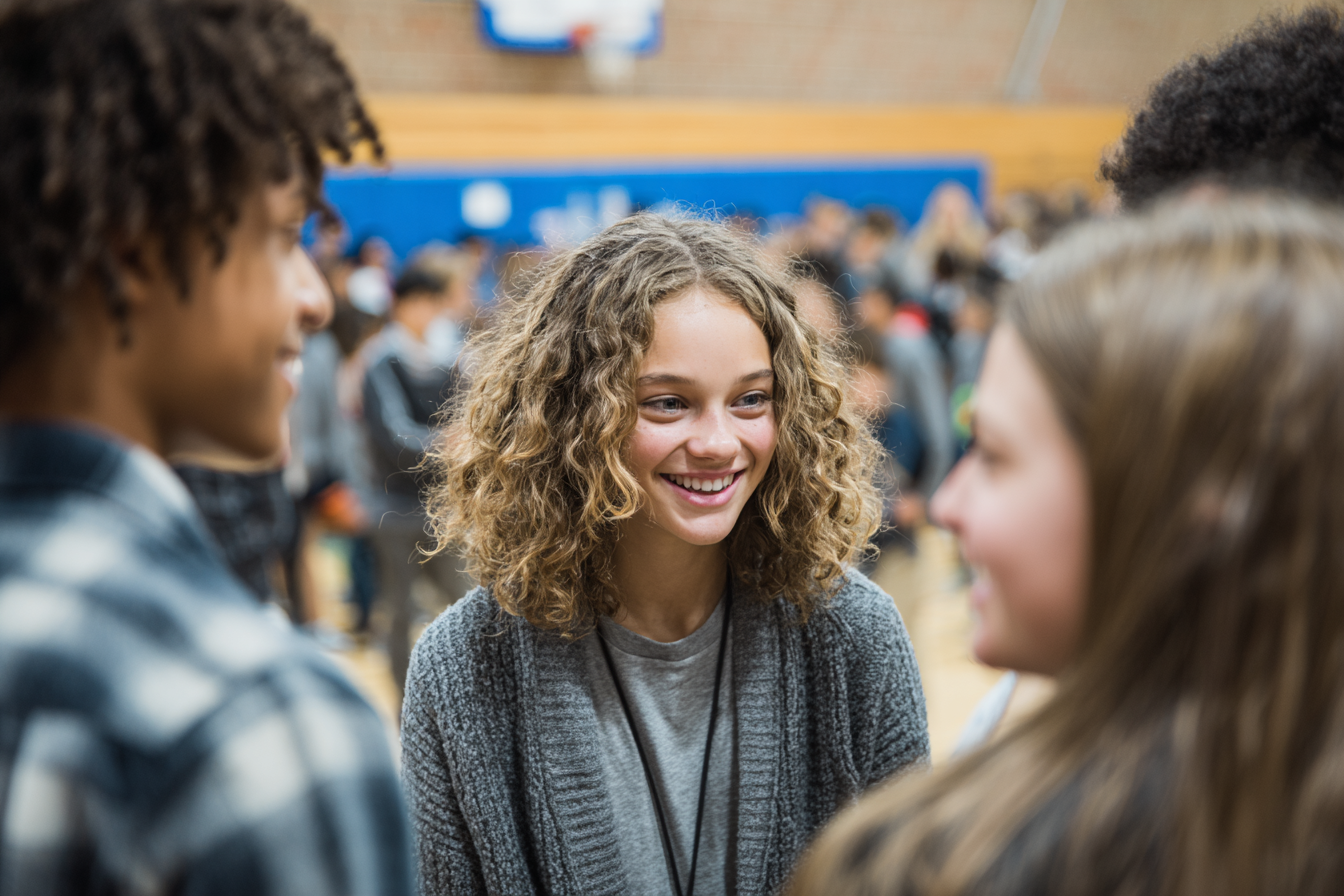
Focus: Use student-selected games with minimal teacher intervention to practice respectful communication, impartial decisions, emotional regulation, and self-officiating that keeps games fair and moving after close calls.
Grade Level: 8
Subject Area: Physical Education
Total Unit Duration: 5 sessions (one week), 45–55 minutes per session
I. Introduction
In this unit, students shift from relying on the teacher as the main referee to taking ownership of game flow, fairness, and sportsmanship themselves. Through small-sided games such as 3v3 basketball, 3v3 soccer, 3v3 handball, and 4-square, students practice making honest calls, solving disagreements respectfully, and returning to play quickly after close or controversial moments. The focus is not only on who wins, but on whether students can lead games with maturity, manage emotions, and make sure everyone is included. By the end of the unit, students should be able to self-officiate with confidence, use agreed conflict-resolution protocols, and show that they can keep games safe, fair, and productive with minimal teacher support.
Essential Questions
- What does strong self-officiating look like in fast, competitive games?
- How can students handle close calls, disagreements, and frustration without stopping the game for too long?
- What does it mean to make an impartial decision even when the call affects your own team?
- How do leadership, self-management, and respectful communication improve the quality of game play?
II. Objectives and Standards
Learning Objectives — Students will be able to:
- Demonstrate controlled locomotor movement in small-sided games while reading space and staying engaged.
- Help organize and lead student-selected games with minimal teacher officiating.
- Use agreed conflict-resolution procedures to solve disputes about calls, rules, or game flow.
- Show emotional regulation by responding constructively to mistakes, setbacks, and controversial moments.
- Demonstrate independent responsibility by managing equipment, transitions, roles, and behavior without frequent reminders.
- Contribute to a respectful and inclusive game environment by listening, encouraging teammates, and making fair decisions.
Standards Alignment — Grade 8 PE (SHAPE America-based custom)
- PE:S1.8a – Locomotor Skills with Speed, Agility & Game Awareness Perform locomotor skills (sprinting, shuffling, backpedaling, cutting, bounding) with control and precision while reading the game and adjusting movements to create or close space.
- Example: In a fast-paced invasion game, a student sprints into open space, plants and cuts sharply to lose a defender, then quickly adjusts when the play reverses.
- PE:S4.8b – Leadership, Teamwork & Inclusive Participation Demonstrate leadership and teamwork by organizing groups, facilitating fair play, encouraging peers, and ensuring all students are included and respected.
- Example: When captaining a team, a student balances teams, assigns roles, listens to ideas, encourages quieter students to participate, and promotes positive communication.
- PE:S4.8c – Advanced Sportsmanship & Emotional Regulation Exhibit mature sportsmanship and emotional regulation in highly competitive or intense situations, managing frustration and responding constructively to setbacks.
- Example: After a controversial call or tough loss, a student stays composed, thanks opponents, and uses reflection to focus on what can be improved rather than arguing or blaming.
- PE:S4.8d – Leading Conflict Resolution & Self-Officiating Take a leading role in resolving conflicts and self-officiating by using respectful communication, agreed-upon procedures, and impartial decision-making.
- Example: When teams disagree on a call, a student suggests a fair resolution method (replay, alternate possession, or quick vote), keeps the discussion calm, and moves play forward.
- PE:S4.8e – Independent Responsibility & Self-Management in PE Demonstrate independence by arriving prepared, managing personal effort and behavior, caring for equipment, transitioning quickly, and staying focused without teacher prompting.
- Example: Students consistently start warm-up on time, stay on-task in stations or small-sided games, and help with setup/cleanup without being asked.
Success Criteria — Student Language
- I can move and play with control and awareness in small-sided games.
- I can make fair calls and help solve disagreements using our conflict-resolution steps.
- I can stay calm and respectful even when I disagree with a call or feel frustrated.
- I can help organize games, transitions, and equipment without waiting for the teacher to do everything.
- I can support a game environment where everyone feels included, respected, and able to participate.