Unit Plan 22 (Grade 8 PE): Cooperative Relays & Performance Analysis
Grade 8 PE relay unit on agility, balance, teamwork, and data-driven strategy as students refine relay plans, roles, and leadership skills.

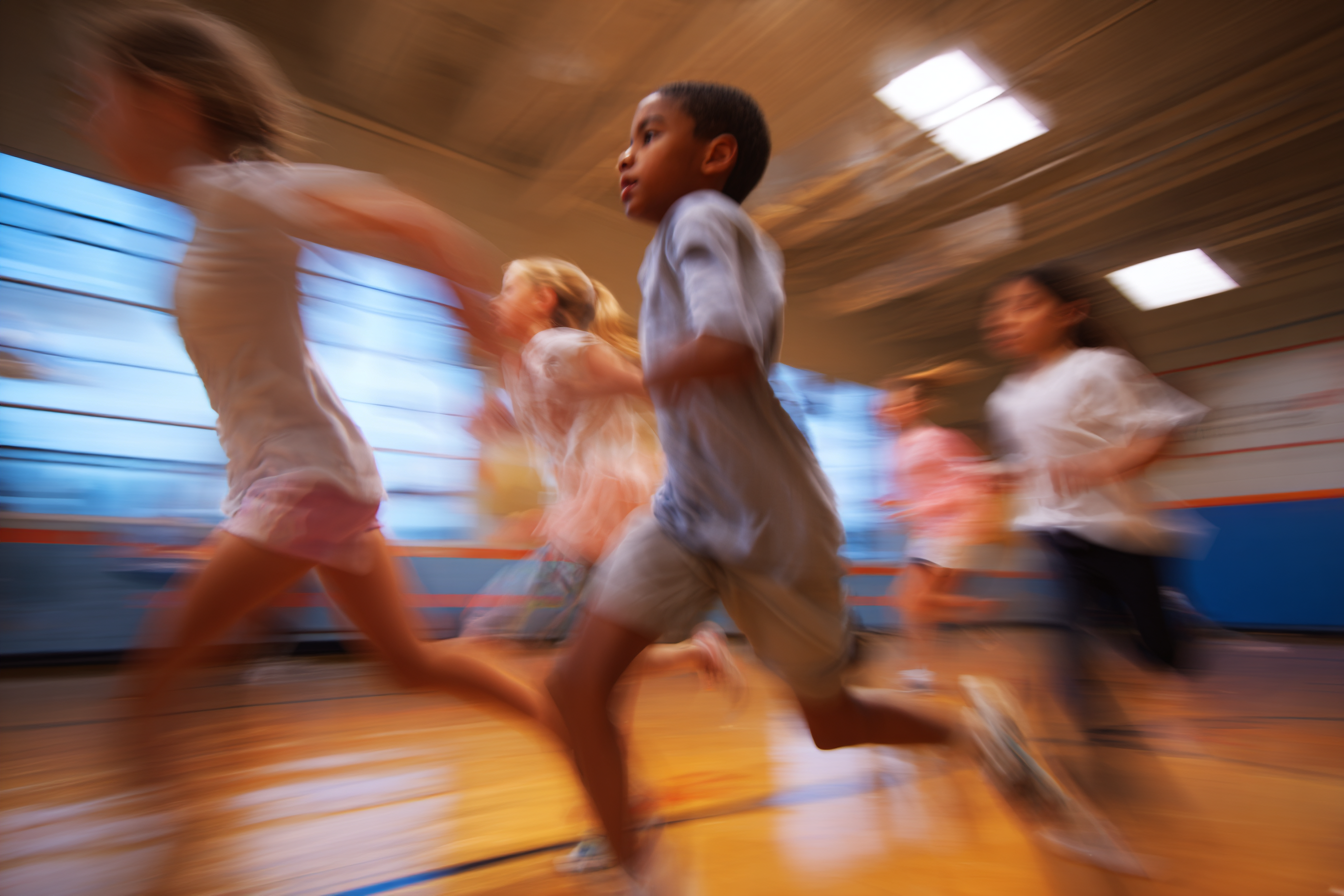
Focus: Use multi-skill cooperative relays to practice speed, agility, balance, and coordination while emphasizing strategic planning, data-based performance analysis, and shared leadership. Students design and refine relay strategies, test different role orders, analyze times and outcomes, and practice inclusive leadership, conflict resolution, and self-management.
Grade Level: 8
Subject Area: Physical Education (Cooperative Games • Fitness & Skills • Leadership)
Total Unit Duration: 5 sessions (one week), 45–55 minutes per session
I. Introduction
Students explore cooperative relays as more than just “who can go fastest.” They design and complete complex relay tasks that combine locomotor skills, balance, and coordination (e.g., dribble–crawl–balance–throw), and then analyze their own performance data to improve. Teams experiment with different orders, roles, and strategies, learning how leadership can be shared and how to resolve disagreements constructively. Throughout the unit, students practice independent responsibility, inclusive teamwork, and recognizing personal strengths that help the team.
Essential Questions
- How can we plan and adjust relay strategies (order, roles, pacing) to improve our team’s performance?
- What does it look like to share leadership, communication, and responsibility fairly during cooperative challenges?
- How can performance data (times, errors, observations) help us decide what to change next?
- How do my personal strengths and preferences affect which relay roles are best for me and for my team?
II. Objectives and Standards
Learning Objectives — Students will be able to:
- Perform locomotor and balance skills (sprinting, shuffling, crawling, balancing, throwing) with control and awareness of space during relay tasks.
- Complete multi-step relay sequences that require coordination, timing, and safe transitions between teammates.
- Take leadership roles in planning, organizing, and adjusting relay strategies, ensuring all teammates are involved.
- Use data (times, number of errors, observations) to compare strategies, identify weaknesses, and refine plans.
- Demonstrate independent responsibility by managing effort, equipment, and focus with minimal teacher prompting.
- Reflect on personal strengths and areas for growth in cooperative, strategy-based physical activities.
Standards Alignment — 8th Grade (SHAPE America-based custom)
- PE:S1.8a – Locomotor Skills with Speed, Agility & Game Awareness Perform locomotor skills (sprinting, shuffling, backpedaling, cutting, bounding) with control and precision while reading the game and adjusting movements to create or close space.
- Example: In a fast-paced invasion game, a student sprints into open space, plants and cuts sharply to lose a defender, then quickly adjusts when the play reverses.
- PE:S1.8b – Advanced Balance, Stability & Coordination in Dynamic Play Maintain balance and body control during advanced movements involving jumping, landing, rotating, dodging, and contact or near-contact, even when fatigued.
- Example: A student jumps to receive a pass, lands with proper body position, spins away from a defender, and stays controlled while driving toward the goal.
- PE:S4.8b – Leadership, Teamwork & Inclusive Participation Demonstrate leadership and teamwork by organizing groups, facilitating fair play, encouraging peers, and ensuring all students are included and respected.
- Example: When captaining a team, a student balances teams, assigns roles, listens to ideas, encourages quieter students to participate, and promotes positive communication.
- PE:S4.8d – Leading Conflict Resolution & Self-Officiating Take a leading role in resolving conflicts and self-officiating by using respectful communication, agreed-upon procedures, and impartial decision-making.
- Example: When teams disagree on a call, a student suggests a fair resolution method (replay, alternate possession, or quick vote), keeps the discussion calm, and moves play forward.
- PE:S4.8e – Independent Responsibility & Self-Management in PE Demonstrate independence by arriving prepared, managing personal effort and behavior, caring for equipment, transitioning quickly, and staying focused without teacher prompting.
- Example: Students consistently start warm-up on time, stay on-task in stations or small-sided games, and help with setup/cleanup without being asked.
- PE:S5.8a – Recognizing Preferences, Strengths & Areas for Growth Identify personal strengths and preferences in physical activity and use that understanding to set meaningful improvement goals and make activity choices.
- Example: A student recognizes they enjoy small-sided competitive games and endurance challenges, then sets a goal to join a community league or complete a local 5K.
Success Criteria — Student Language
- I can perform running, shuffling, crawling, balancing, and throwing in relay tasks with good control and safe body positions.
- I can work with my team to design and adjust relay strategies, making sure everyone has a role and a voice.
- I can help my group use timing and performance data to decide which strategy works best.
- I can handle equipment, transitions, and my own effort without needing constant reminders.
- I can explain which roles I’m good at in relays and one area I want to improve.