Unit Plan 5 (Grade 8 PE): Cooperative Strategy Missions
Grade 8 PE unit on cooperative mission challenges that build leadership, emotional regulation, teamwork, self-management, and personal goal setting.

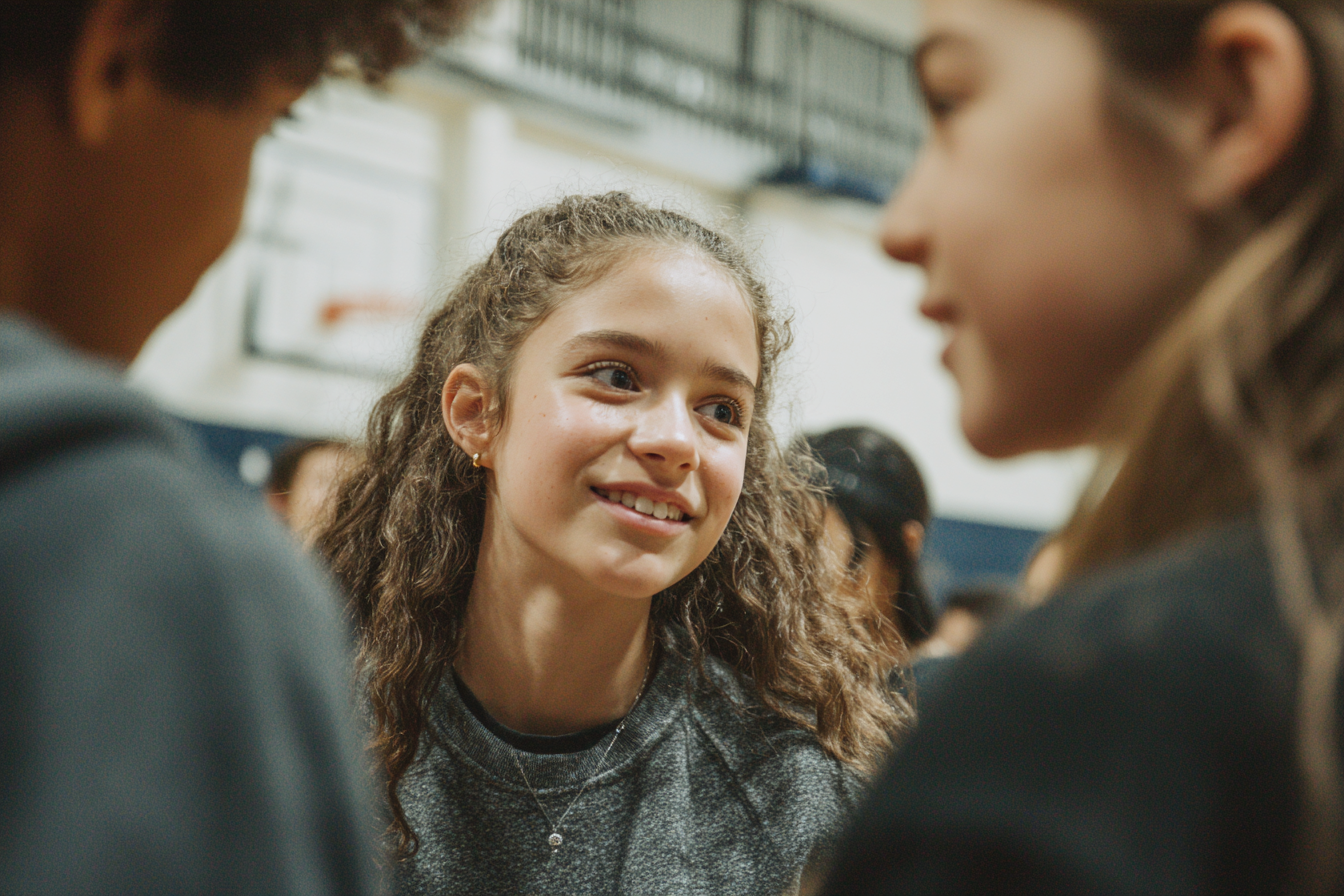
Focus: Engage in higher-level group planning, rotating leadership, managing frustration, and inclusive decision-making through cooperative “mission-style” physical challenges.
Grade Level: 8
Subject Area: Physical Education (Cooperation & Leadership • Social-Emotional Skills • Personal Goal Setting)
Total Unit Duration: 5 sessions (one week), 45–55 minutes per session
I. Introduction
Students step into cooperative “mission” challenges where success depends less on being the fastest or strongest and more on planning, communication, and adaptability. Through partner mirror runs, group movement puzzles, and advanced team missions (like “Rescue Mission,” complex “Cross the River,” and multi-step problem courses), students practice rotating leadership, sharing ideas, and resolving conflicts. The unit emphasizes staying composed under stress, self-officiating fairly, and reflecting on personal strengths, preferences, and growth areas in group physical activities.
Essential Questions
- How can we plan and adjust team strategies so everyone contributes and feels included during challenging missions?
- What does leadership look like in a cooperative setting, and how can leadership roles rotate fairly?
- How can I recognize and manage frustration and disagreement so that my team keeps working together productively?
- How do my personal strengths and preferences shape the roles I choose and the goals I set in physical activities?
II. Objectives and Standards
Learning Objectives — Students will be able to:
- Demonstrate leadership and teamwork by organizing groups, balancing roles, inviting quieter voices, and ensuring inclusive participation during cooperative missions.
- Show advanced sportsmanship and emotional regulation by managing frustration, using respectful language, and staying composed when missions are difficult or time-limited.
- Take a leading role in conflict resolution and self-officiating, using agreed-upon methods (replays, quick votes, alternating advantage) to keep activities moving.
- Exhibit independent responsibility and self-management by arriving prepared, starting warm-ups without prompting, managing equipment, and transitioning quickly between missions.
- Identify and reflect on their own preferences, strengths, and areas for growth in cooperative and strategy-based physical activities, and set at least one personal improvement goal.
Standards Alignment — 8th Grade (SHAPE America-based custom)
- PE:S4.8b – Leadership, Teamwork & Inclusive Participation Demonstrate leadership and teamwork by organizing groups, facilitating fair play, encouraging peers, and ensuring all students are included and respected.
- Example: When captaining a team, a student balances teams, assigns roles, listens to ideas, encourages quieter students to participate, and promotes positive communication.
- PE:S4.8c – Advanced Sportsmanship & Emotional Regulation Exhibit mature sportsmanship and emotional regulation in highly competitive or intense situations, managing frustration and responding constructively to setbacks.
- Example: After a controversial call or tough loss, a student stays composed, thanks opponents, and uses reflection to focus on what can be improved rather than arguing or blaming.
- PE:S4.8d – Leading Conflict Resolution & Self-Officiating Take a leading role in resolving conflicts and self-officiating by using respectful communication, agreed-upon procedures, and impartial decision-making.
- Example: When teams disagree on a call, a student suggests a fair resolution method (replay, alternate possession, or quick vote), keeps the discussion calm, and moves play forward.
- PE:S4.8e – Independent Responsibility & Self-Management in PE Demonstrate independence by arriving prepared, managing personal effort and behavior, caring for equipment, transitioning quickly, and staying focused without teacher prompting.
- Example: Students consistently start warm-up on time, stay on-task in stations or small-sided games, and help with setup/cleanup without being asked.
- PE:S5.8a – Recognizing Preferences, Strengths & Areas for Growth Identify personal strengths and preferences in physical activity and use that understanding to set meaningful improvement goals and make activity choices.
- Example: A student recognizes they enjoy small-sided competitive games and endurance challenges, then sets a goal to join a community league or complete a local 5K.
Success Criteria — Student Language
- I can help my team plan and adjust a strategy so everyone has a role and feels included.
- I can stay calm, use respectful words, and keep working when a mission is confusing, stressful, or not going my way.
- I can help resolve disagreements fairly by suggesting solutions like replays, quick votes, or alternating advantage.
- I can start warm-ups and transitions without needing reminders, and I can help with equipment and setup/cleanup.
- I can explain my strengths and preferences in cooperative activities and name at least one goal for how I want to grow.