Unit Plan 28 (Grade 8 PE): Large-Group Strategy & Event-Style Games
Grade 8 PE unit using Capture the Flag, Territory Games, and Medic to build strategy, leadership, emotional control, and teamwork.

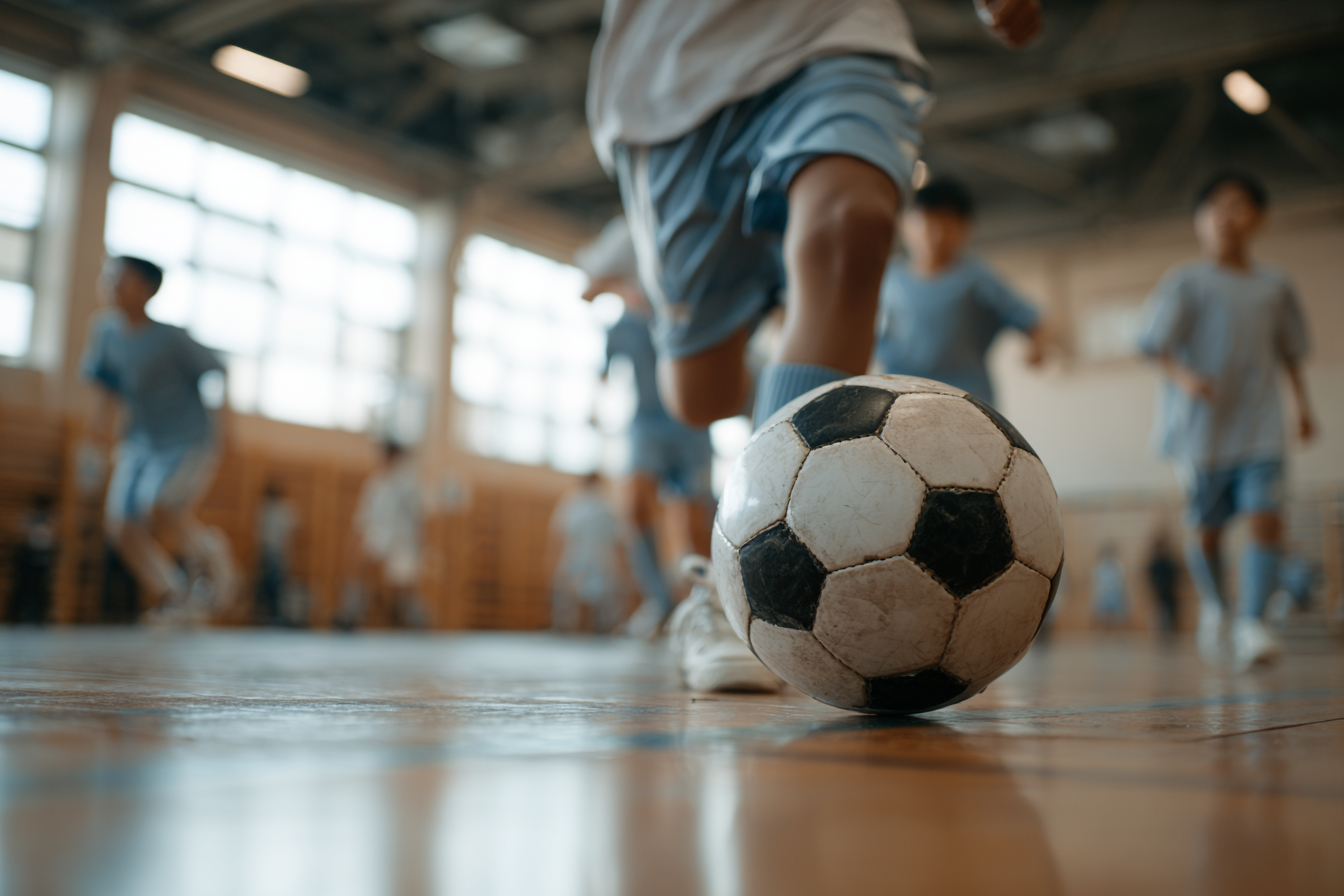
Focus: Apply complex offensive and defensive ideas in large-group games like Capture the Flag, Territory Games, and Medic, while practicing leadership, emotional regulation, and conflict resolution in competitive settings.
Grade Level: 8
Subject Area: Physical Education
Total Unit Duration: 5 sessions (one week), 45–55 minutes per session
I. Introduction
In this unit, students apply advanced movement, strategy, and teamwork concepts in large-group, event-style games where success depends on more than speed alone. Through games like Capture the Flag, Territory Games, and Medic, students learn how to use spacing, deception, tempo changes, and coordinated roles to solve complex problems in real time. Because these games can become highly competitive, students also practice emotional regulation, self-officiating, and leadership rotation so the class can stay safe, fair, and inclusive. By the end of the unit, students can explain how their team used offensive and defensive ideas, how they managed emotions under pressure, and how rotating leadership improved group performance.
Essential Questions
- How do teams use spacing, pathways, and deception to gain advantages in large-group strategy games?
- What does effective offense and defense look like when many players are moving at once?
- How can students show leadership, sportsmanship, and conflict resolution when games become intense or emotional?
- How do my strengths, preferences, and choices affect the role I play in a large-group game?
II. Objectives and Standards
Learning Objectives — Students will be able to:
- Perform locomotor skills such as sprinting, shuffling, backpedaling, and cutting with control while reading space in large-group games.
- Apply offensive strategies such as spreading out, decoy runs, tempo changes, and coordinated attacks to create scoring or rescue opportunities.
- Apply defensive strategies such as zone coverage, containment, communication, and recovery when opponents break through.
- Rotate through leadership roles and help organize team strategy talks, substitutions, and role assignments.
- Demonstrate mature sportsmanship, manage frustration appropriately, and use respectful conflict-resolution steps during disagreements.
- Reflect on personal strengths and preferences in large-group games and identify one area for future growth.
Standards Alignment — Grade 8 PE (SHAPE America-based custom)
- PE:S1.8a – Locomotor Skills with Speed, Agility & Game Awareness Perform locomotor skills (sprinting, shuffling, backpedaling, cutting, bounding) with control and precision while reading the game and adjusting movements to create or close space.
- Example: In a fast-paced invasion game, a student sprints into open space, plants and cuts sharply to lose a defender, then quickly adjusts when the play reverses.
- PE:S2.8a – Advanced Spatial Awareness & Tactical Positioning Consistently use spatial awareness to adjust positioning relative to teammates, opponents, and scoring areas, both in offense and defense, in real time.
- Example: In 5v5 or 6v6 games, students recognize when to spread wide, cut to gaps, rotate defensively, or drop into support positions without prompting.
- PE:S2.8b – Using Pathways, Levels, Tempo & Deception Strategically Intentionally select and vary pathways, levels, speed, and feints to create offensive opportunities and disrupt opponents’ strategies.
- Example: A student changes pace, uses a hesitation move, and then sharply cuts diagonally to receive a pass behind a defender.
- PE:S4.8b – Leadership, Teamwork & Inclusive Participation Demonstrate leadership and teamwork by organizing groups, facilitating fair play, encouraging peers, and ensuring all students are included and respected.
- Example: When captaining a team, a student balances teams, assigns roles, listens to ideas, encourages quieter students to participate, and promotes positive communication.
- PE:S4.8c – Advanced Sportsmanship & Emotional Regulation Exhibit mature sportsmanship and emotional regulation in highly competitive or intense situations, managing frustration and responding constructively to setbacks.
- Example: After a controversial call or tough loss, a student stays composed, thanks opponents, and uses reflection to focus on what can be improved rather than arguing or blaming.
- PE:S4.8d – Leading Conflict Resolution & Self-Officiating Take a leading role in resolving conflicts and self-officiating by using respectful communication, agreed-upon procedures, and impartial decision-making.
- Example: When teams disagree on a call, a student suggests a fair resolution method (replay, alternate possession, or quick vote), keeps the discussion calm, and moves play forward.
- PE:S5.8a – Recognizing Preferences, Strengths & Areas for Growth Identify personal strengths and preferences in physical activity and use that understanding to set meaningful improvement goals and make activity choices.
- Example: A student recognizes they enjoy small-sided competitive games and endurance challenges, then sets a goal to join a community league or complete a local 5K.
Success Criteria — Student Language
- I can use speed, cutting, and space awareness to help my team in large-group games.
- I can explain at least one offensive and one defensive strategy my team used.
- I can help lead by organizing teammates, sharing ideas, and making sure others are included.
- I can stay calm, respectful, and solution-focused when a game gets competitive or a disagreement happens.
- I can identify one strength I showed in these games and one skill or role I want to improve.