Unit Plan 34 (Grade 8 PE): Officiating & Game Design Studio
Explore this Grade 8 PE unit where students become officials, game designers, and activity leaders by building fair rules, teaching modified games, and practicing safe, confident officiating.

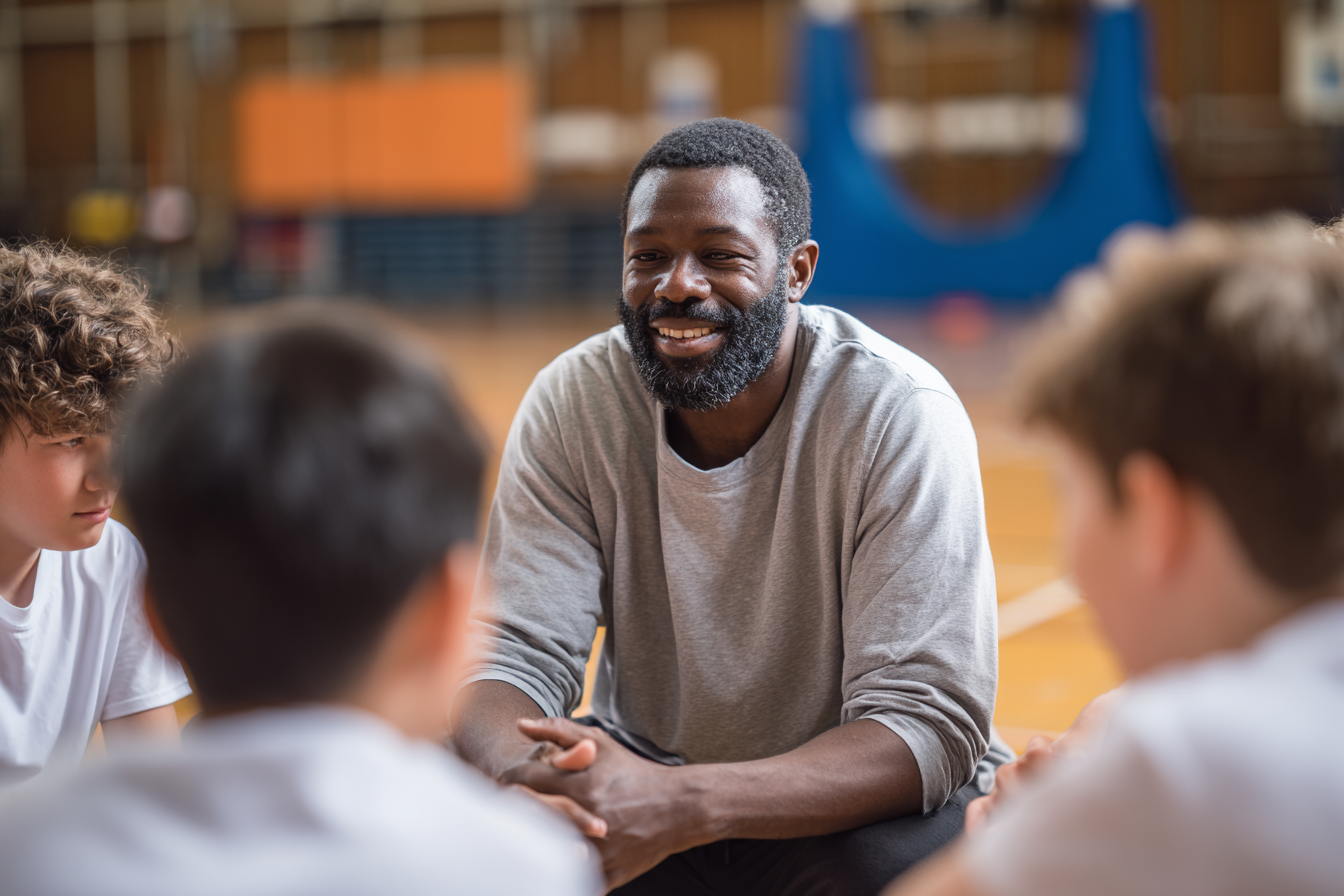
Focus: Build deep understanding of rules, safety, and fair play by either developing advanced officiating mechanics in a chosen sport or designing and teaching a modified game with clear rules, scoring, and safety expectations.
Grade Level: 8
Subject Area: Physical Education
Total Unit Duration: 5 sessions (one week), 45–55 minutes per session
I. Introduction
In this unit, students step into the roles of officials, game designers, and activity leaders. Through short scrimmages, officiating labs, and game-design challenges, students learn that strong PE participation is not just about playing well, but also about understanding rules, making impartial decisions, protecting safety, and creating activities that are fair and engaging for others. Some groups focus on advanced officiating in a chosen sport by practicing signals, positioning, and mechanics, while other groups design a modified game and then teach classmates how to play it. By the end of the unit, students should be able to explain how thoughtful rules and strong officiating improve activity quality, fairness, and enjoyment.
Essential Questions
- What does effective officiating look like in fast-paced games, and how do officials stay fair and consistent?
- How can groups design a game that is safe, engaging, and fair for a wide range of players?
- Why do strong rules, clear scoring systems, and well-defined procedures matter in physical activity settings?
- How can students use their strengths, interests, and leadership skills to improve activities for everyone?
II. Objectives and Standards
Learning Objectives — Students will be able to:
- Demonstrate controlled locomotor movement and spatial awareness during short scrimmages and officiating/game-design activities.
- Apply knowledge of rules, safety procedures, and game structure to officiate or design activities effectively.
- Use fair and consistent signals, positioning, and decision-making when acting as an official.
- Design a modified game with clear rules, boundaries, scoring, and safety expectations.
- Work collaboratively to teach, run, and revise a game or officiating system based on observation and feedback.
- Demonstrate leadership, sportsmanship, independent responsibility, and conflict resolution in both play and event-management roles.
- Reflect on personal strengths, preferences, and the physical, mental, and social value of well-designed physical activity experiences.
Standards Alignment — Grade 8 PE (SHAPE America-based custom)
- PE:S1.8a – Locomotor Skills with Speed, Agility & Game Awareness Perform locomotor skills (sprinting, shuffling, backpedaling, cutting, bounding) with control and precision while reading the game and adjusting movements to create or close space.
- Example: In a fast-paced invasion game, a student sprints into open space, plants and cuts sharply to lose a defender, then quickly adjusts when the play reverses.
- PE:S2.8a – Advanced Spatial Awareness & Tactical Positioning Consistently use spatial awareness to adjust positioning relative to teammates, opponents, and scoring areas, both in offense and defense, in real time.
- Example: In 5v5 or 6v6 games, students recognize when to spread wide, cut to gaps, rotate defensively, or drop into support positions without prompting.
- PE:S2.8c – Adjusting Effort, Force, Angle & Timing Based on Game Demands Adjust effort level, force, angle, and timing of skills after interpreting distance, defensive pressure, and risk/benefit of different options.
- Example: In a net game, a student chooses a soft angled shot when the opponent is deep and a powerful deep shot when the opponent is crowding the net.
- PE:S4.8a – Modeling Rules, Procedures & Safety for the Group Consistently follow and model classroom rules, procedures, and safety expectations, often acting as a positive example for peers.
- Example: A student proactively checks boundaries and equipment for safety, reminds classmates about safe conduct, and responds promptly to signals without being told.
- PE:S4.8b – Leadership, Teamwork & Inclusive Participation Demonstrate leadership and teamwork by organizing groups, facilitating fair play, encouraging peers, and ensuring all students are included and respected.
- Example: When captaining a team, a student balances teams, assigns roles, listens to ideas, encourages quieter students to participate, and promotes positive communication.
- PE:S4.8c – Advanced Sportsmanship & Emotional Regulation Exhibit mature sportsmanship and emotional regulation in highly competitive or intense situations, managing frustration and responding constructively to setbacks.
- Example: After a controversial call or tough loss, a student stays composed, thanks opponents, and uses reflection to focus on what can be improved rather than arguing or blaming.
- PE:S4.8d – Leading Conflict Resolution & Self-Officiating Take a leading role in resolving conflicts and self-officiating by using respectful communication, agreed-upon procedures, and impartial decision-making.
- Example: When teams disagree on a call, a student suggests a fair resolution method, keeps the discussion calm, and moves play forward.
- PE:S4.8e – Independent Responsibility & Self-Management in PE Demonstrate independence by arriving prepared, managing personal effort and behavior, caring for equipment, transitioning quickly, and staying focused without teacher prompting.
- Example: Students consistently start warm-up on time, stay on-task in stations or small-sided games, and help with setup/cleanup without being asked.
- PE:S5.8a – Recognizing Preferences, Strengths & Areas for Growth Identify personal strengths and preferences in physical activity and use that understanding to set meaningful improvement goals and make activity choices.
- Example: A student recognizes they enjoy small-sided competitive games and endurance challenges, then sets a goal to join a community league or complete a local 5K.
- PE:S5.8b – Explaining Physical, Mental & Social Benefits of Activity Clearly explain how regular physical activity contributes to physical fitness, mental health, academic focus, and positive social connections.
- Example: Students can articulate that consistent movement helps reduce stress, supports better sleep and concentration, and provides chances to build friendships and teamwork skills.
Success Criteria — Student Language
- I can use fair rules, signals, and positioning when I officiate a game.
- I can help design a game with clear boundaries, scoring, and safety guidelines.
- I can make calm, impartial decisions and help solve disagreements respectfully.
- I can work with others to teach or run an activity in a way that includes everyone.
- I can explain how a well-run activity supports physical, mental, and social benefits.
- I can identify my strengths in officiating, designing, leading, or participating and set a goal for improvement.