Unit Plan 19 (Grade 8 PE): Wiffleball/Softball — Situational Play & Coaching
Grade 8 PE wiffleball/softball unit on tactical hitting, relay throws, defensive shifts, base-running decisions, and student coaching.

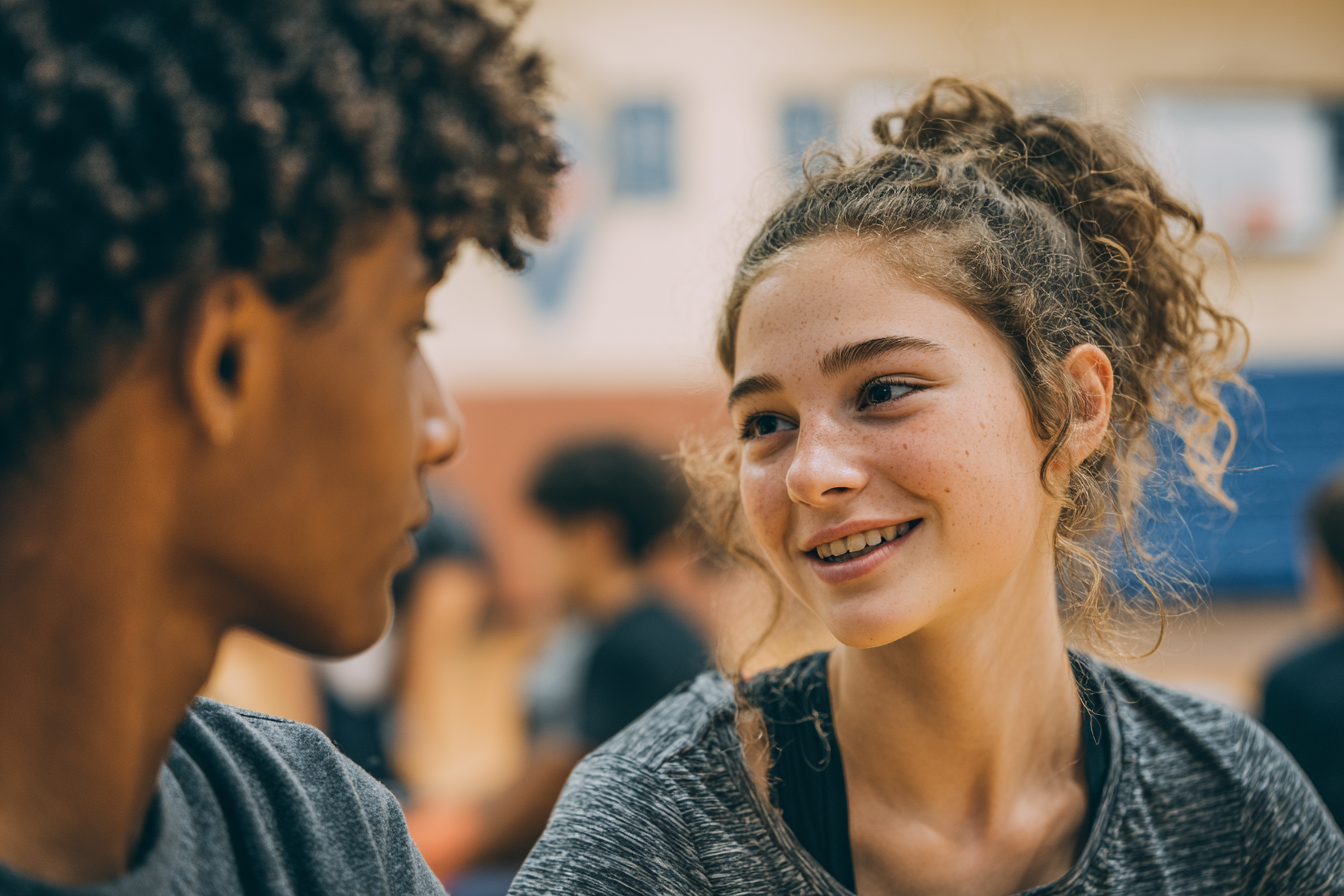
Focus: Use hitting to zones, fielding drills, and relay throws to build into small-sided wiffleball/softball games where student coaches call defensive alignments and offensive strategies. Emphasis on tactical striking, reading base-runner situations, adjusting defensive positioning, and peer coaching/communication.
Grade Level: 8
Subject Area: Physical Education (Striking/Fielding Games • Game Tactics • Leadership & Coaching)
Total Unit Duration: 5 sessions (one week), 45–55 minutes per session
I. Introduction
Students move beyond basic “hit and run” wiffleball/softball into situational play, learning how ball placement, base-running decisions, and defensive alignments all connect. Through targeted hitting, fielding patterns, and relay throws, they see how each player’s decision affects the whole defense or offense. As the unit progresses, students step into peer coaching roles, calling defensive shifts, cut-off assignments, and offensive strategies (sacrifice, hit-and-run, aggressive vs conservative base running). By the end of the unit, they can read game situations, make smart tactical choices, and lead peers with clear instructions and positive communication.
Essential Questions
- How can hit placement and base-running decisions change the outcome of a play?
- What does it mean to read a situation (outs, base-runners, batter type) and adjust defensive positioning?
- How can student coaches and captains help teams organize, communicate, and include everyone?
- What habits show that a player understands both skills and the strategy behind wiffleball/softball?
II. Objectives and Standards
Learning Objectives — Students will be able to:
- Throw, catch, and strike a wiffleball or softball with control and accuracy, adjusting force and angle based on the situation.
- Combine locomotor, striking, and fielding skills in continuous play (fielding grounders, throwing to bases, running bases, making cut-offs) while staying under control.
- Adjust swing type, hit direction, and throwing choices based on defensive positioning, runner speed, and number of outs.
- Apply offensive strategies (hitting to opposite field, bunting or short hits, aggressive vs conservative running) and defensive strategies (double-play depth, shading hitters, cut-offs) to create high-percentage outcomes.
- Take on student coaching roles, organizing lineups, calling defensive alignments, and supporting inclusive, respectful participation.
Standards Alignment — 8th Grade (SHAPE America-based custom)
- PE:S1.8c – Throwing & Catching with Precision in Competitive Contexts Throw and catch a variety of objects with precision, appropriate force, and timing in competitive and high-pressure situations, including leading teammates and adjusting to defenders.
- Example: In ultimate or handball, a student delivers a well-timed leading pass away from defenders and consistently makes secure catches while being closely guarded.
- PE:S1.8e – Striking with Implements for Tactical Placement & Power Strike stationary and moving objects with paddles, rackets, bats, or sticks to send them with purposeful placement, speed, and spin, based on tactical choices.
- Example: In badminton or pickleball, a student alternates between clears, drops, and smashes to move an opponent around the court and set up winning shots.
- PE:S1.8f – Integrating Complex Skill Combinations in Continuous Play Combine locomotor, manipulative, and stability skills in complex, continuous sequences during game play, maintaining form and control throughout.
- Example: In a game, a student dribbles, executes a crossover, passes to a teammate, cuts to space, receives a return pass, and takes a balanced, accurate shot—all under defensive pressure.
- PE:S2.8c – Adjusting Effort, Force, Angle & Timing Based on Game Demands Adjust effort level, force, angle, and timing of skills (passes, shots, serves, runs) after interpreting distance, defensive pressure, and risk/benefit of different options.
- Example: In a net game, a student chooses a soft angled shot when the opponent is deep and a powerful deep shot when the opponent is crowding the net.
- PE:S2.8d – Selecting & Applying Offensive Strategies Effectively Identify and apply offensive strategies (spreading the field, using screens, give-and-go, overlaps, switching fields, setting picks) to create high-percentage scoring chances.
- Example: In basketball or handball, students run a set play (screen-and-roll or backdoor cut), read the defense, and make a smart choice between shooting or passing.
- PE:S2.8e – Executing Defensive Strategies & Transitions Smoothly Apply defensive concepts (marking, denying passing lanes, help defense, hedging, recovery, and transition defense) fluidly as the game flow changes.
- Example: After a turnover, students quickly communicate, pick up players or zones, stop fast breaks, and then shift back into half-court or set defense.
- PE:S4.8b – Leadership, Teamwork & Inclusive Participation Demonstrate leadership and teamwork by organizing groups, facilitating fair play, encouraging peers, and ensuring all students are included and respected.
- Example: When captaining a team, a student balances teams, assigns roles, listens to ideas, encourages quieter students to participate, and promotes positive communication.
Success Criteria — Student Language
- I can throw, catch, and hit with enough control to aim at specific bases or field zones.
- I can change my swing or throw based on where runners are and what the defense is doing.
- I can call or follow defensive strategies (e.g., “play in for the bunt,” “cut-off at second,” “double-play depth”).
- I can lead or support my team by giving clear instructions, rotating roles, and making sure everyone participates.