Unit Plan 3 (Grade 8 Science): Properties of Substances
Grade 8 NGSS-aligned unit where students use data, properties, and CER writing to tell physical changes from chemical reactions using clear evidence.

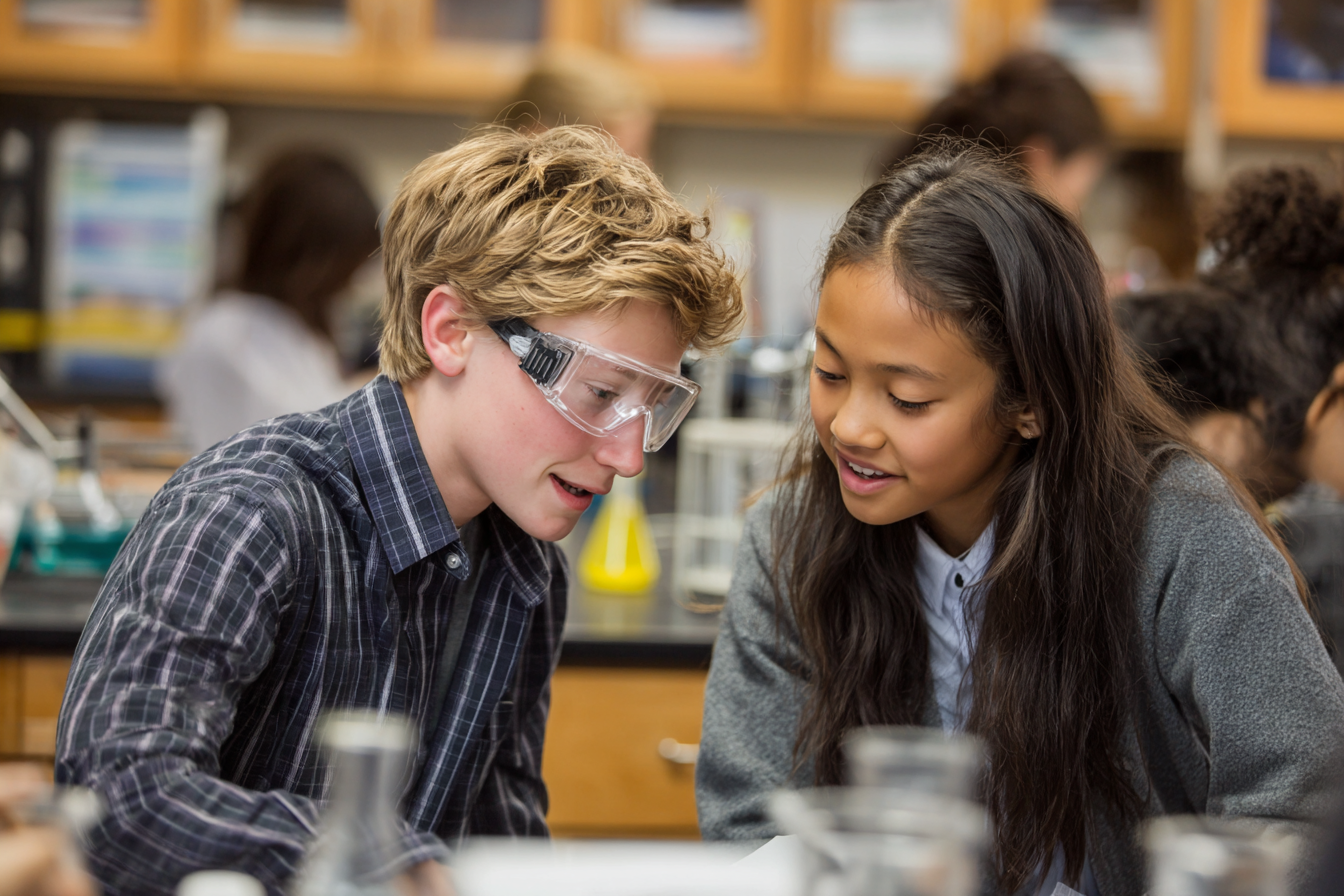
Focus: Compare properties of substances before and after they interact to decide whether a chemical reaction has occurred. Emphasize careful observation, data tables, and evidence-based reasoning to distinguish between physical changes and chemical changes.
Grade Level: 8
Subject Area: Science (Physical Science • Matter & Its Interactions • Inquiry/Practices)
Total Unit Duration: 5 sessions (one week), 50–60 minutes per session
I. Introduction
Students act as “reaction detectives,” using evidence from properties to determine whether a new substance has formed. They observe substances before and after interactions such as dissolving, heating, mixing, or reacting. Using data tables, graphs, and structured observations, they look for patterns in color, state, temperature, gas production, and precipitate formation. Throughout the week, students practice making clear claims about whether a chemical reaction has occurred and justify those claims with data rather than guesses or “it looks cool.”
Essential Questions
- What are properties of substances, and how can we measure or describe them?
- How can we tell whether a change is just a physical change or a chemical reaction?
- What kinds of evidence (data) show that a new substance has formed?
- How can data tables, graphs, and careful observations help us make better decisions about reactions?
- Why is it important to base our conclusions on evidence rather than just appearance or assumptions?
II. Objectives and Standards
Learning Objectives — Students will be able to:
- Describe and record physical properties of substances (e.g., color, state, density, texture, melting behavior, solubility) before interactions.
- Collect and organize data about substances before and after heating, dissolving, and mixing, using tables and, when appropriate, graphs.
- Identify evidence that suggests a chemical reaction has occurred (e.g., new substance formation, gas production, precipitate, unexpected color or temperature change not explained by simple mixing or phase change).
- Distinguish physical changes (e.g., change of state, dissolving) from chemical changes using the properties and data they observed.
- Analyze and interpret data on properties before and after an interaction to decide whether a chemical reaction occurred and support their decision with evidence (MS-PS1-2).
- Write or present a short claim–evidence–reasoning (CER) explanation for at least one investigation, clearly connecting data to the conclusion.
Standards Alignment — 8th Grade (NGSS-based custom)
- MS-PS1-2 — Analyze and interpret data on the properties of substances before and after they interact to determine if a chemical reaction has occurred.
- In this unit, students collect and interpret data from multiple simple interactions (heating, mixing, dissolving) to decide whether a reaction occurred.
Success Criteria — Student Language
- I can list and measure or describe properties of substances before an interaction.
- I can record data (including observations, temperature, and other properties) before and after an interaction in a clear table or graph.
- I can use evidence such as new substances, gas, precipitate, or unexpected changes to decide if a chemical reaction happened.
- I can explain why a change is physical or chemical using data, not just what I think.
- I can write a CER where my claim (reaction or not) is clearly supported by evidence and reasoning based on properties.