Unit Plan 19 (Grade K Art): Texture Exploration
Kindergarten Art: Students explore textures by experimenting with tools and materials to create bumpy, smooth, and rough marks in hands-on texture artwork.

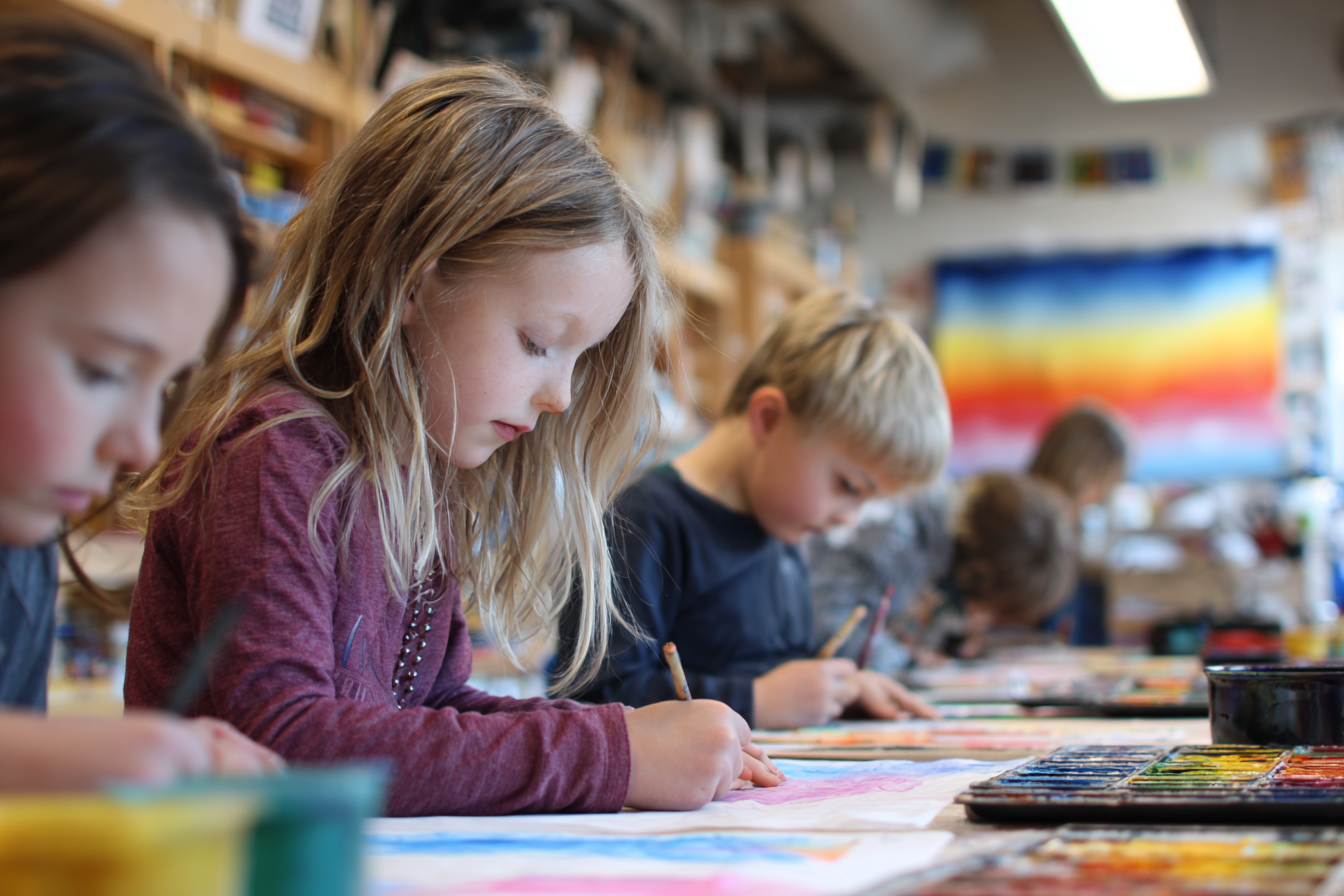
Focus: Explore textures using tools and materials through hands-on experimentation.
Grade Level: K
Subject Area: Art (Visual Arts • Creating)
Total Unit Duration: 1–2 weeks, 30–45 minutes per session
I. Introduction
In this unit, kindergarten students discover that art is not just what we see, but also what we can feel. They explore different textures—such as bumpy, smooth, rough, and scratchy—by touching objects and using them to make marks on paper. Through simple activities like texture rubbings and painting with special tools, students learn that they can change how their artwork looks by changing how it feels. By the end of the unit, they can name textures, experiment with tools and materials, and create artwork that shows more than one kind of texture.
Essential Questions
- What is a texture, and how can we feel it with our hands?
- How can different tools and materials help me make bumpy, rough, or smooth marks on paper?
- How does experimenting with textures make my artwork more interesting?
- How do artists use touch and feel to get ideas for their art?
II. Objectives and Standards
Learning Objectives — Students will be able to:
- Use their hands and eyes to explore and describe simple textures (bumpy, smooth, rough, soft).
- Experiment with different tools and materials (sponges, combs, textured objects) to create texture marks on paper.
- Create a small artwork that shows more than one texture.
- Use art materials safely and responsibly while exploring textures.
- Share one texture they used and describe how it looks or feels.
Standards Alignment — Kindergarten (NCAS-Aligned)
- VA:Cr2.Ka — Explore elements of art (line, shape, color, texture) through hands-on experimentation.
- Example: Students experiment with making different kinds of lines.
Success Criteria — Student Language
- I can touch and feel objects and say if they are bumpy, smooth, or rough.
- I can use tools and materials to make texture marks on my paper.
- I can make a picture that shows more than one texture.
- I can use my art tools safely and carefully.
- I can tell a classmate about one texture I made in my artwork.