Unit Plan 24 (Grade K Music): Moving to Cultural Music
Kindergarten music unit using movement to explore global music, connecting songs to celebrations, stories, and daily life through safe, expressive movement.

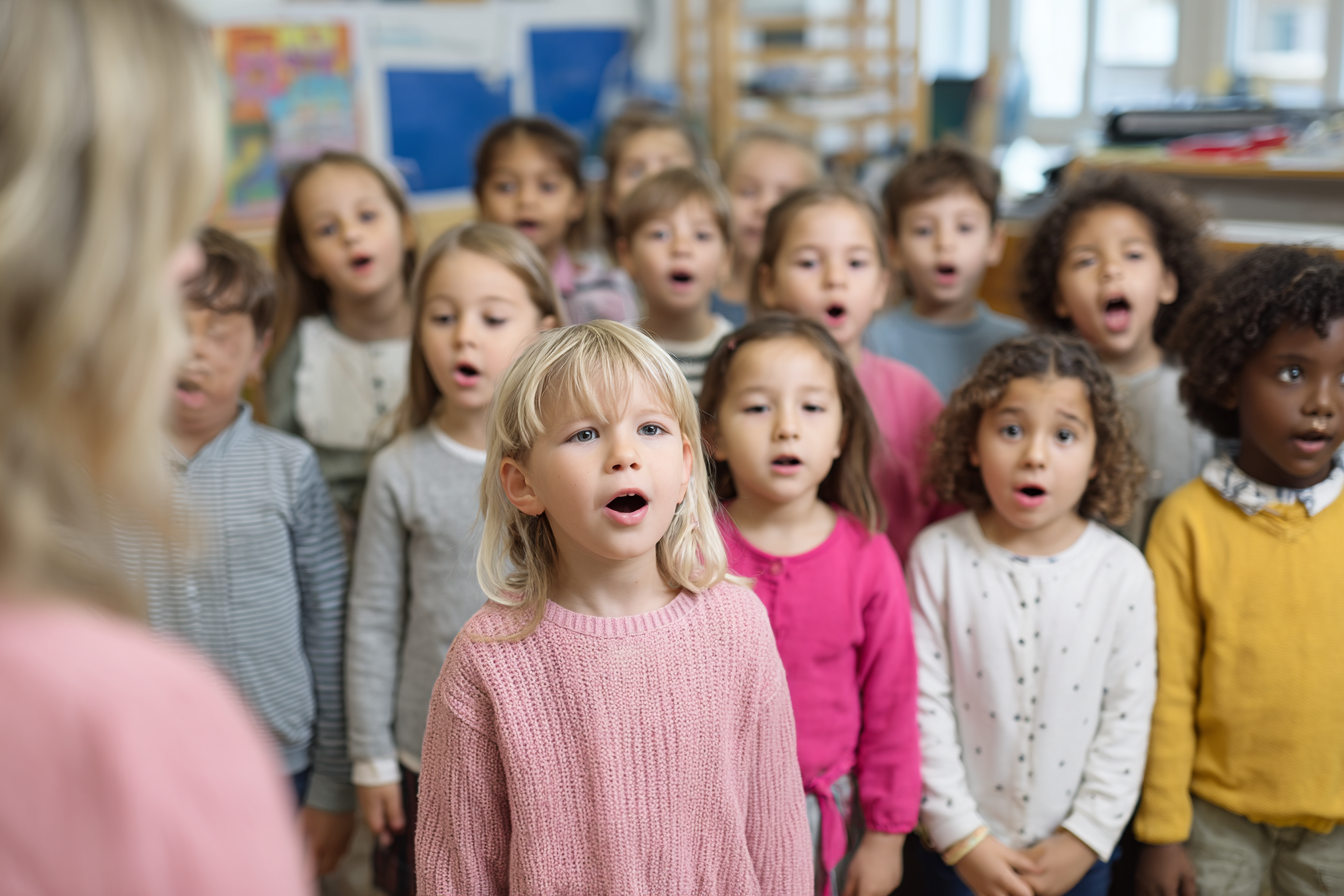
Focus: Use movement to respond to music from different places and connect music to simple cultural contexts.
Grade Level: K
Subject Area: Music (Performing • Connecting)
Total Unit Duration: 2–4 sessions (2+ weeks), 20–30 minutes per session
I. Introduction
In this unit, students explore how people around the world move to music in different ways. Through listening, simple visuals, and teacher modeling, they respond to music with safe, expressive movement that matches the style, tempo, and mood. Students begin to notice that music can be connected to stories, celebrations, and places, and that everyone can have a favorite way to move to music from different cultures.
Essential Questions
- How can we show music with our bodies when we listen?
- How does music from different places make us want to move in different ways?
- How can music help us think about stories, celebrations, and cultures around the world?
II. Objectives and Standards
Learning Objectives — Students will be able to:
- Move safely and appropriately to music from different cultures, showing basic awareness of beat, tempo, and mood.
- Follow teacher cues to change movement when the music changes (fast/slow, smooth/bouncy, quiet/loud).
- Share simple ideas about where the music might be used (celebration, story, parade, etc.) and how it connects to daily life or culture.
- Participate in a short movement sequence that matches a selected song from another place.
Standards Alignment — Kindergarten Music (NAfME-Aligned)
- MU:Pr4.1.Ka — With guidance, demonstrate and state personal interest in varied musical selections.
- Example: Choosing a favorite song to sing or move to.
- MU:Cn11.0.Ka — Demonstrate understanding of relationships between music and other arts, disciplines, contexts, and daily life.
- Example: Connecting music to stories, celebrations, or movement activities.
Success Criteria — Student Language
- I can move safely to music from different places.
- I can change my movement when the music feels fast, slow, smooth, or bouncy.
- I can say how a piece of music might fit a celebration, parade, or story.
- I can show a short movement pattern that matches music from another place.