Unit Plan 15 (Grade K Music): Music & Feelings
Kindergarten music unit on identifying emotions in music, connecting beat and tempo to feelings through listening, movement, and classroom routines.

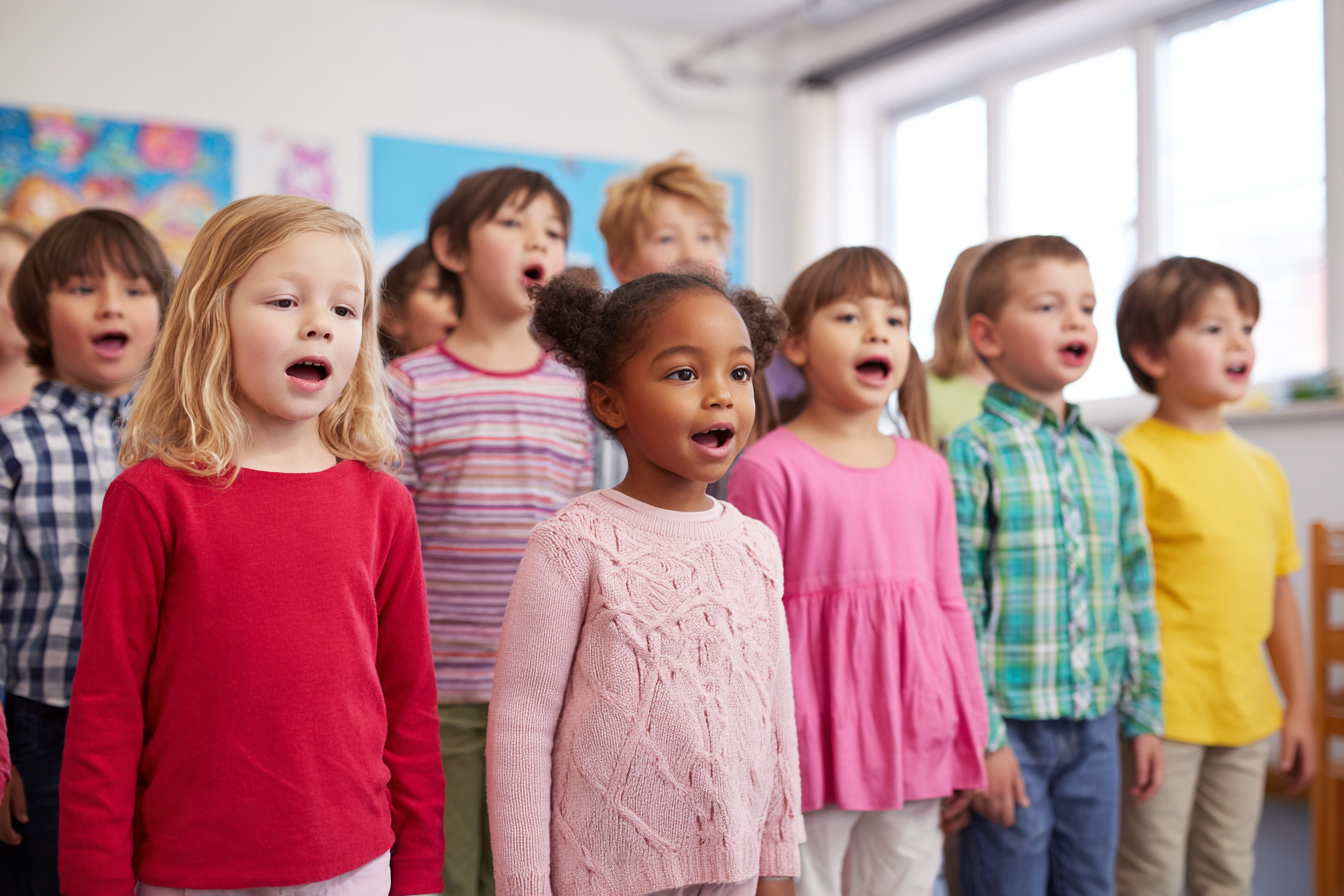
Focus: Help students notice and name emotions in music and connect those feelings to their own experiences.
Grade Level: K
Subject Area: Music (Responding • Connecting • Performing)
Total Unit Duration: 3–4 sessions (2+ weeks), 20–30 minutes per session
I. Introduction
In this unit, students listen to short pieces of music and practice naming how the music feels (happy, sad, sleepy, excited, etc.). They use faces, movements, and simple words to show how the music makes them feel and begin to notice basic music concepts (beat, high/low, fast/slow) that support those feelings. Students then connect music to their own lives by choosing pieces that match classroom routines or personal experiences.
Essential Questions
- How can we tell what feeling music is trying to show?
- What music helps us feel calm, excited, or silly?
- How do beat, speed, and high/low sounds help music show different emotions?
- How can we choose music that fits what we are doing or how we feel?
II. Objectives and Standards
Learning Objectives — Students will be able to:
- Listen to short pieces of music and identify how the music feels using words, faces, or pictures.
- With guidance, point out one music concept (beat, high/low, or fast/slow) that helps show the feeling.
- Use movement and simple instruments or body percussion to match the emotion of the music.
- Choose or create a short musical idea that fits a personal feeling or classroom activity and explain why.
Standards Alignment — Kindergarten Music (National/Core Arts-based)
- MU:Re7.2.Ka — With guidance, demonstrate how a specific music concept such as beat or melodic direction is used in music.
- MU:Cn10.0.Ka — Demonstrate how interests, knowledge, and skills relate to personal choices and intent when creating, performing, and responding to music.
Success Criteria — Student Language
- I can say or show how a piece of music feels (happy, sad, calm, excited).
- I can tell one music idea (beat, fast/slow, high/low) that helps show that feeling.
- I can move, clap, or play in a way that matches the emotion of the music.
- I can pick or help create music that fits a feeling or activity and tell why I chose it.