Unit Plan 31 (Grade K Music): Music & Imagination
Kindergarten music unit using imagination, movement, and sounds to create pretend stories, connect music to personal interests, and share creative ideas.

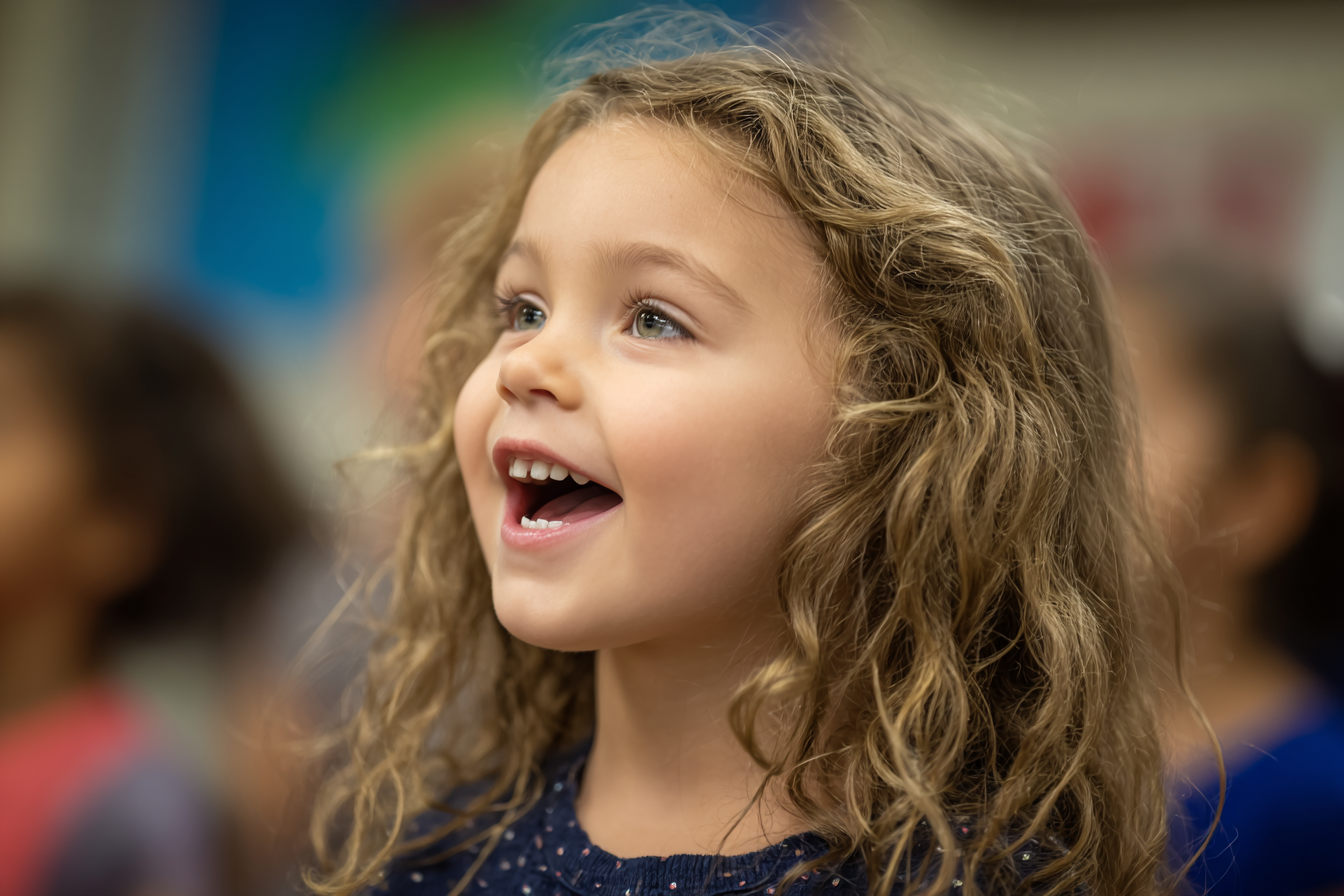
Focus: Use music to inspire creative play, movement, and pretend stories.
Grade Level: K
Subject Area: Music (General Music)
Total Unit Duration: 4 sessions (2+ weeks), 20–30 minutes per session
I. Introduction
In this unit, students use music as a spark for imagination. They listen to short musical examples and respond with movement, simple instrument sounds, and pretend stories about characters or places. With gentle guidance, students connect the music and ideas they create to things they like, know, and experience in their everyday lives (games, toys, animals, celebrations).
Essential Questions
- How can music help us pretend and imagine different characters, places, and ideas?
- How do our own interests, feelings, and experiences influence the music we like and create?
- How can we show our ideas with movement, voices, and instrument sounds so others understand our story?
II. Objectives and Standards
Learning Objectives — Students will be able to:
- Respond to short musical examples with creative movement or simple sounds that show an imagined idea (e.g., animal, weather, character).
- With guidance, generate musical ideas (movement, vocal sounds, instrument patterns) to match a chosen picture, word, or story prompt.
- Share a short “imagination music” idea and explain in simple words what it represents and why they chose that sound or movement.
- Work cooperatively to combine ideas into a short group sound scene and present it to classmates.
Standards Alignment — Kindergarten Music (NAfME-Aligned)
- MU:Cr1.1.Kb — With guidance, generate musical ideas through movement, improvisation, or sound exploration.
- MU:Cn10.0.Ka — Demonstrate how interests, knowledge, and skills relate to personal choices and intent when creating, performing, and responding to music.
Success Criteria — Student-Friendly Language
- I can move, sing, or use instruments to show an idea from my imagination.
- I can tell what my music is about (a feeling, animal, place, or story).
- I can choose sounds and movements that match what I want my music to show.
- I can share and listen respectfully when classmates show their imagination music.