Unit Plan 22 (Grade K Music): Music in Daily Life
Kindergarten music unit connecting songs to routines, play, and celebrations at home, school, and community through listening, movement, and sharing.

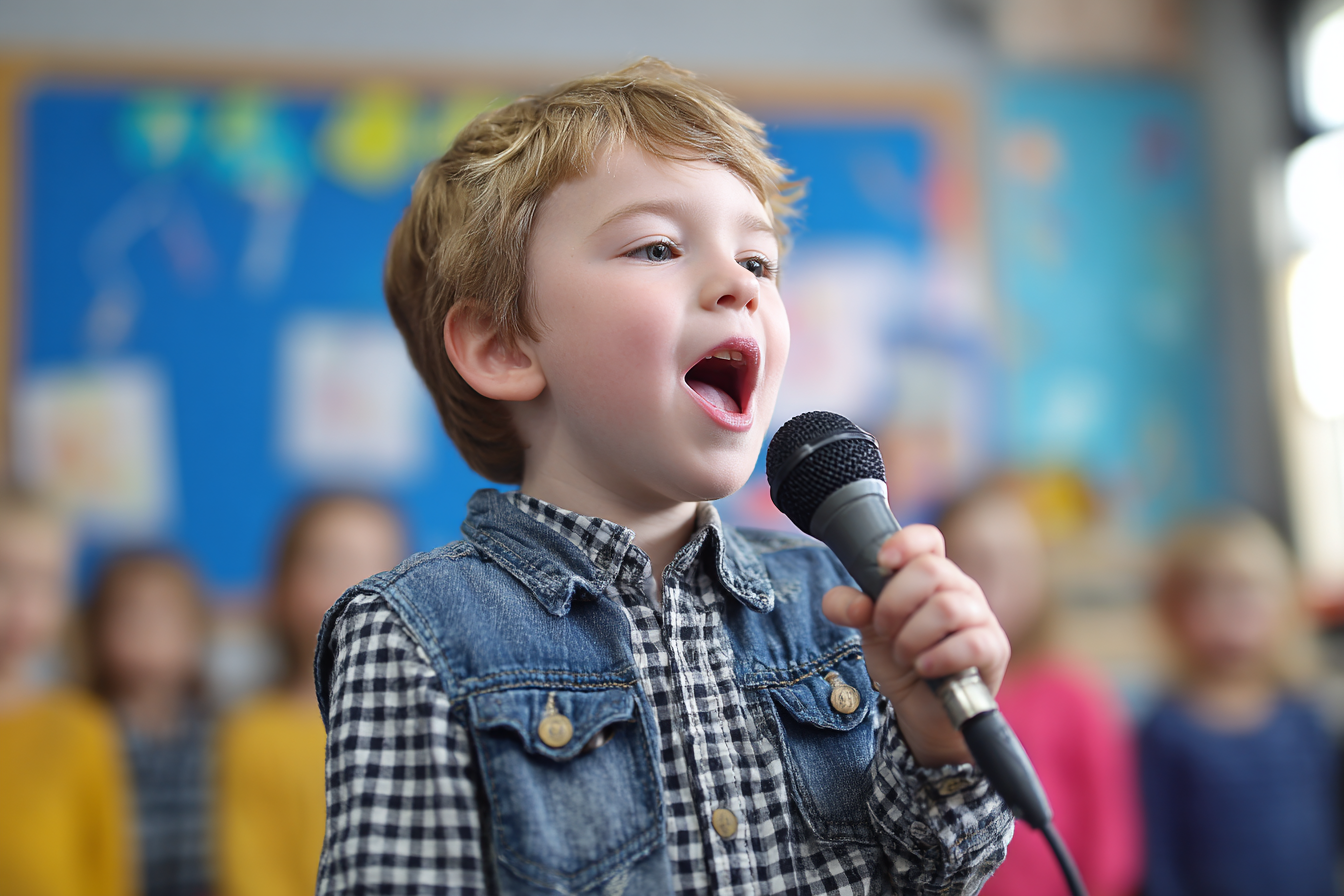
Focus: Connect music to everyday routines, play, and celebrations at school, at home, and in the community.
Grade Level: K
Subject Area: Music (General Music)
Total Unit Duration: 4 sessions (2+ weeks), 20–30 minutes per session
I. Introduction
In this unit, students notice how music is part of their daily lives. They listen to short examples of songs used for routines (cleanup, lining up), play (games, movement), and celebrations (birthdays, holidays) and talk about how each one feels and what it helps them do. Through drawing, simple performances, and class charts, students learn that their music choices show what they like, need, and care about in different moments.
Essential Questions
- Where do we hear music during our day at school, at home, and in our community?
- How does music help us with things like routines, play, and celebrations?
- How can the music we choose show what we like, feel, or need at a certain time?
II. Objectives and Standards
Learning Objectives — Students will be able to:
- Name at least three places or times they hear music in daily life (school, home, community).
- Describe how a song is used in a simple routine, game, or celebration (what it helps people do).
- Help choose or create a song or sound pattern to match a classroom routine or feeling and explain why it fits.
- Share a picture, word, or movement to show how a piece of music connects to their own life.
Standards Alignment — Kindergarten Music (NAfME-Aligned)
- MU:Cn10.0.Ka — Demonstrate how interests, knowledge, and skills relate to personal choices and intent when creating, performing, and responding to music.
- Example: Explaining why they like singing a certain song.
Success Criteria — Student Language
- I can tell about music I hear at home, at school, or in my community.
- I can explain how a song helps with a job, a game, or a celebration.
- I can help choose or make music for a classroom routine and say why it matches.
- I can show (with words, pictures, or movement) how a song connects to my life.