Unit Plan 29 (Grade K Music): Rhythm Games
Kindergarten rhythm games unit to build steady beat, echo patterns, turn-taking, and listening through fun clapping, passing, and instrument activities.

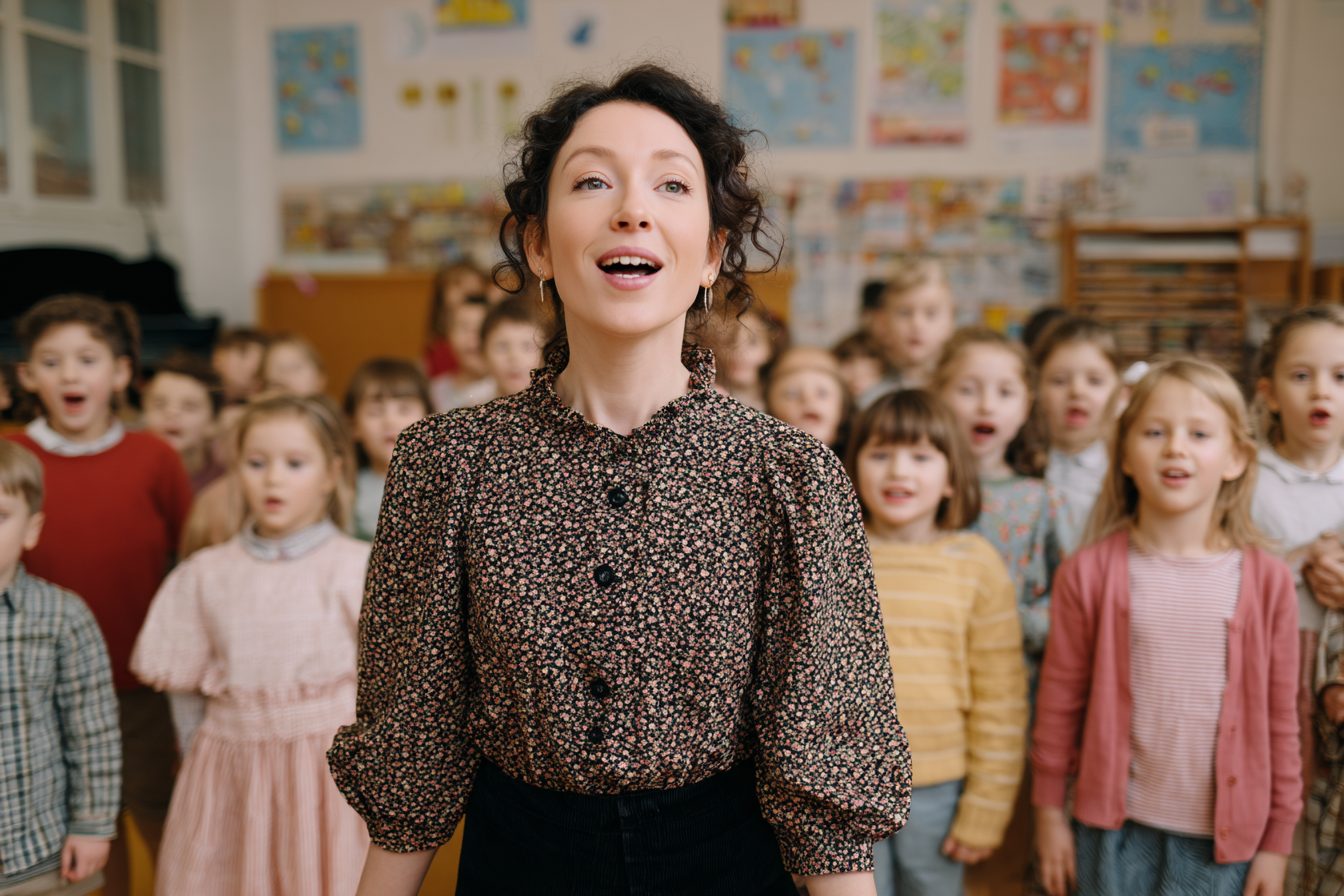
Focus: Apply beat and rhythm through simple, engaging musical games that build listening, coordination, and turn-taking skills.
Grade Level: K
Subject Area: Music (Performing • Responding • Creating)
Total Unit Duration: 2–4 sessions (2+ weeks), 20–30 minutes per session
I. Introduction
In this unit, students play energetic rhythm games that help them feel and show the steady beat while also copying and creating simple rhythm patterns. Through clapping circles, passing games, and “freeze” activities, they practice starting and stopping together and taking turns with instruments. Students also notice how beat and rhythm work together to keep a game organized and fun.
Essential Questions
- How do beat and rhythm help us play music games together?
- What does it mean to keep the beat and take turns in a music game?
- How can I listen, watch, and respond so our rhythm game stays together?
II. Objectives and Standards
Learning Objectives — Students will be able to:
- Keep a steady beat during simple clapping, stepping, or passing games.
- Echo and perform simple rhythm patterns (e.g., ta, ti-ti) using voice, body, or instruments.
- Follow start/stop signals and take turns during rhythm games with classmates.
- Show how beat and rhythm help everyone stay together and make the game more fun.
Standards Alignment — Kindergarten Music (NAfME-Aligned)
- MU:Pr4.1.Ka — With guidance, demonstrate and state personal interest in varied musical selections.
- Example: Choosing a favorite song or chant to use for a rhythm game.
- MU:Pr5.1.Kb — With guidance, apply teacher-provided and collaboratively developed criteria and feedback to improve performance accuracy.
- Example: Playing a rhythm game again after feedback to keep a steadier beat.
Success Criteria — Student Language
- I can keep the beat with my hands, feet, or instruments during a game.
- I can echo short rhythms that my teacher or classmates clap or play.
- I can start, stop, and take turns when it is my turn in a music game.
- I can say what I did to help our class stay together in the rhythm game.