Unit Plan 1 (Grade K PE): Welcome to PE
Welcome to PE is a fun Kindergarten unit that builds basic locomotor skills, safe movement, and PE routines through playful animal-themed activities.

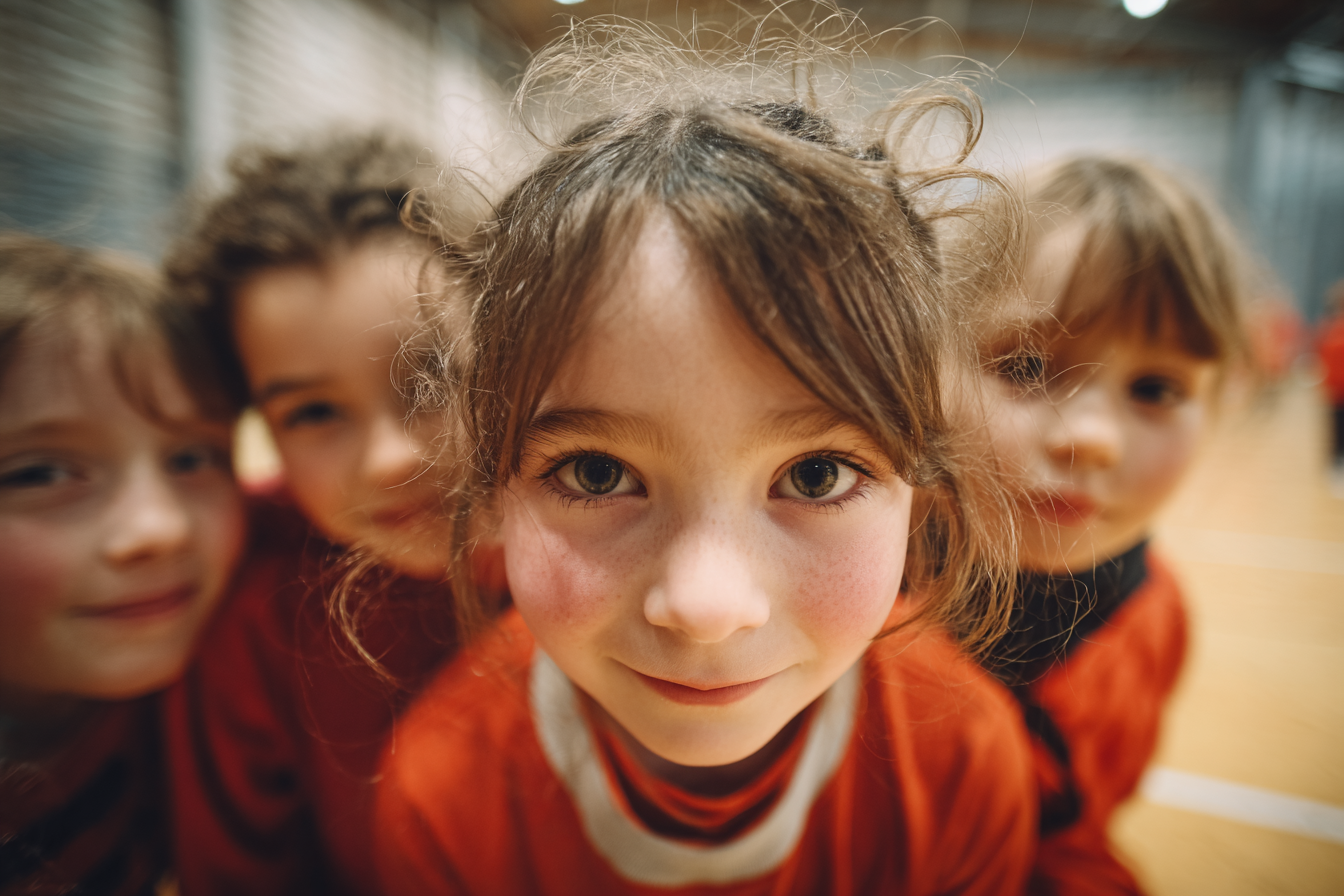
Focus: Help students learn beginning PE routines, explore basic locomotor movement, and move safely in shared space through playful animal-themed activities.
Grade Level: K
Subject Area: Physical Education (Locomotor Skills • Space Awareness • Rules & Safety)
Total Unit Duration: 2 core sessions + 2 optional sessions (1–2 weeks), 20–30 minutes per session
I. Introduction
Students begin Kindergarten PE by learning that the gym is a place to move, play, listen, and stay safe. In these first lessons, students are introduced to simple PE routines such as finding a spot, freezing on signal, traveling in boundaries, and stopping safely. Through a follow-the-leader warm-up and a playful Animal Adventure game, students practice walking, jogging, stretching, hopping, jumping, galloping, and sliding while learning how to keep their bodies under control. The goal is to help students feel comfortable in PE, understand basic expectations, and explore movement in a fun and welcoming way.
Essential Questions
- What do we do to stay safe in PE?
- How can I move in the gym without bumping into others?
- What are some ways I can travel with my body?
- How do I know when to stop, start, and listen?
II. Objectives and Standards
Learning Objectives — Students will be able to:
- Perform basic locomotor skills such as walking, running, hopping, jumping, galloping, and sliding with growing control.
- Move safely in general space while keeping personal space.
- Follow simple PE rules, routines, and safety expectations.
- Participate actively in teacher-led movement exploration and games.
Standards Alignment — Kindergarten (SHAPE America-based custom)
- PE:S1.Ka Perform basic locomotor skills (walk, run, hop, jump, gallop, slide) with control.
- Example: Students travel across the gym using different locomotor movements on teacher cue.
- PE:S2.Ka Move safely in general space while maintaining personal space.
- Example: Students move around the gym without bumping into others during a locomotor activity.
- PE:S4.Ka Follow rules and safety expectations during physical activities.
- Example: Students stop safely when signaled and stay in designated areas.
Success Criteria — Student Language
- I can walk, run, hop, jump, gallop, and slide.
- I can stop when the teacher gives the signal.
- I can keep my body safe in my own space.
- I can follow PE rules and routines.
III. Materials and Resources
Tasks & Tools (teacher acquires/curates)
- General Equipment
- Cones to mark boundaries, travel paths, and safe stop zones.
- Floor spots or poly spots for home spots and gathering places.
- Whistle and/or visual stop signal.
- Picture cards or posters showing walk, run, hop, jump, gallop, slide, stop, and freeze.
- Warm-Up Equipment
- Open movement space with clear boundaries.
- Optional music for beginning and stopping movement.
- Optional visual cue cards for stretches such as reach high, touch toes, and twist.
- Game/Activity Equipment
- Cones or spots to mark animal travel routes or adventure zones.
- Optional animal picture cards such as bear, frog, horse, bird, rabbit, and crab.
- Optional hoops, mats, or spots to act as “animal homes” or “adventure stops.”
- Optional themed visuals such as a jungle, farm, forest, or zoo path to make the lesson more inviting for Kindergarten students.
- Reflection & Assessment Tools
- Teacher checklist for locomotor movement, space awareness, rule-following, and participation.
- Quick reflection prompts, thumbs-up/sideways/down checks, or smiley-face cards.
- Optional anchor chart with cues such as find a spot, freeze, look up, and move safely.
Preparation
- Mark clear boundaries so students know where movement is allowed.
- Spread out home spots so students can practice personal space.
- Prepare a small set of familiar animal movement cards for the game.
- Model the stop signal, freezing safely, and moving inside the boundaries before the lesson begins.
- Keep the activity structure simple so students can focus on learning routines and feeling successful.
Common Misconceptions to Surface
- “Running fast means I am doing PE the best.” → Good PE movement also uses control and safe stopping.
- “If I want more room, I can move through someone else’s space.” → Students need to notice others and protect personal space.
- “When the teacher stops talking, I can keep moving.” → PE routines include freezing and listening right away.
- “Animal movement means being silly anywhere in the room.” → The game is fun, but students still follow boundaries and rules.
Key Terms (highlight in lessons) walk, run, hop, jump, gallop, slide, space, safe, stop, freeze
IV. Lesson Procedure
(Each lesson follows: Launch → Warm-up → Game/Activity → Reflect. Timing for a 20–30 minute block.)
Session 1 — Learning PE Routines and Exploring Animal Movement
- Launch (3–4 min)
- Students begin on home spots facing the teacher.
- Teacher introduces PE as a place for safe movement, listening, and fun.
- Briefly teach two key routines: how to find a spot and how to freeze on signal.
- Model safe movement in boundaries and what it looks like to stop with control.
- Warm-up (5–6 min) — Follow-the-Leader Walking, Stretching, and Jogging
- Equipment: Open movement space, optional music.
- Set-Up:
- Students stand spread out in general space or follow the teacher around the perimeter of the activity area.
- Teacher stands or moves where all students can easily follow.
- Procedure:
- Teacher leads students through simple movement actions such as:
- walking slowly,
- walking on tiptoes,
- reaching high,
- touching toes,
- jogging lightly,
- freezing on signal.
- Teacher uses very short cues and repeats routines several times.
- The warm-up helps students practice following the teacher while learning how PE starts and stops.
- Teacher leads students through simple movement actions such as:
- Rules:
- The warm-up is played by copying the teacher’s movement safely.
- Students must stay in bounds and keep eyes up.
- Freeze means stop body right away and listen.
- Everyone keeps enough space so bodies do not bump.
- Game/Activity (10–12 min) — Animal Adventure
- Equipment: Animal cards, cones or spots for boundaries, optional adventure zones.
- Set-Up:
- Mark a large safe travel space around the gym or play area.
- Optional: place a few “animal homes” or adventure spots around the space.
- Students begin spread out in general space.
- Procedure:
- Teacher shows an animal card or names an animal, and students travel like that animal across the gym.
- Examples may include:
- horse = gallop
- frog = hop or jump
- rabbit = little hops
- bird = light run with arms out
- bear = bear walk if appropriate
- crab = short crab walk in place or small space
- Teacher pauses often to reinforce boundaries, stopping, and personal space.
- Students may travel to an “animal home” and then wait for the next movement cue.
- Rules:
- The game is played by moving like the named animal only when the teacher gives the cue.
- Students must stay in the designated space and avoid bumping into others.
- Freeze means stop safely and stay ready for the next animal.
- Fun animal movement still follows PE rules and safe bodies.
- Reflect (2–3 min)
- Prompt: “What animal move did you like best today?”
Session 2 — Practicing Safe Space and Start/Stop Signals
- Launch (3–4 min)
- Review the PE routines from Session 1: find a spot, freeze, move in bounds, and stop safely.
- Ask students to show what a strong freeze looks like.
- Explain that today they will keep moving like animals and get even better at using safe space.
- Warm-up (5–6 min) — Follow-the-Leader Walking, Stretching, and Jogging with Stops
- Equipment: Open movement space, optional music.
- Set-Up:
- Use the same movement area as Session 1.
- Teacher leads from the front or around the outside path.
- Procedure:
- Students follow the teacher through a short series of walking, stretching, and light jogging movements.
- Teacher adds more stop-and-go practice such as:
- walk, freeze
- jog, freeze
- stretch high, stretch low, freeze
- turn and walk a new direction
- This helps students practice listening and controlling their bodies when movement changes.
- Rules:
- The warm-up is played by following the teacher and stopping right away on signal.
- Students must keep safe space while moving and turning.
- Everyone stays inside the boundaries and uses calm bodies when stopping.
- Game/Activity (10–12 min) — Animal Adventure with Safe Space Cues
- Equipment: Same animal cards and boundary markers as Session 1.
- Set-Up:
- Use the same play space, with optional animal homes or stop spots.
- Students begin spread out with enough room to travel.
- Procedure:
- Teacher leads another round of Animal Adventure, but now adds simple space-awareness cues such as:
- “Find open space.”
- “Move away from crowded space.”
- “Freeze and check your bubble.”
- “Travel to a home spot.”
- Students continue practicing locomotor movement through animal play while learning how to move more safely around classmates.
- Keep rounds short and playful.
- Teacher leads another round of Animal Adventure, but now adds simple space-awareness cues such as:
- Rules:
- The game is played by following the teacher’s animal and space cues.
- Students must keep their bodies in control and stay away from crowded areas.
- Everyone stops when signaled and waits for the next cue.
- Students may not run through another person’s space.
- Reflect (2–3 min)
- Prompt: “How did you keep your body safe in the gym today?”
Optional Session 3 — Animal Pathways and Home Spots
- Launch (3–4 min)
- Review that PE routines include safe movement, freezing, and using space carefully.
- Explain that today students will keep practicing those same ideas with animal travel to special spots and pathways.
- Warm-up (5–6 min) — Follow-the-Leader Walking, Stretching, and Jogging Favorites
- Equipment: Open movement space.
- Set-Up:
- Use the same teacher-led follow-the-leader space as before.
- Procedure:
- Teacher leads favorite warm-up actions from the earlier lessons.
- Students continue practicing following directions and safe starts and stops.
- Rules:
- The warm-up is played by copying the teacher safely and stopping on signal.
- Students must use safe space and keep eyes up.
- Everyone participates in each move.
- Game/Activity (10–12 min) — Animal Adventure Pathways
- Equipment: Animal cards, cones, spots, optional hoops or home markers.
- Set-Up:
- Create a few simple travel pathways and safe “animal home” spots around the room.
- Students begin in general space.
- Procedure:
- Teacher gives animal movement cues and invites students to travel to a home spot using that movement.
- Examples:
- gallop to a home spot
- hop to a hoop
- walk like a bear to a cone
- jog like a bird to a mat
- This gives students more structure while still keeping the animal game playful and fun.
- Rules:
- The game is played by using the named animal movement to travel to the correct safe spot.
- Students must not rush into a crowded spot or bump others.
- Everyone freezes once they arrive and waits for the next cue.
- The teacher’s signal controls when to move and when to stop.
- Reflect (2–3 min)
- Prompt: “Which animal move helped you travel best today?”
Optional Session 4 — Animal Parade Game
- Launch (3–4 min)
- Review that students now know how to move, freeze, and stay safe in PE.
- Explain that today they will use those same skills in one more fun animal movement game.
- Warm-up (5–6 min) — Follow-the-Leader Walking, Stretching, and Jogging Parade
- Equipment: Open movement space, optional music.
- Set-Up:
- Students follow the teacher in a simple parade pathway around the room.
- Procedure:
- Teacher leads the group in a short parade using familiar warm-up actions such as walking, reaching, jogging, and freezing.
- Keep the warm-up upbeat and routine-based.
- Rules:
- The warm-up is played by following the teacher safely in the parade path.
- Students must keep enough space and stop on signal.
- Everyone stays in bounds and uses controlled movement.
- Game/Activity (10–12 min) — Animal Parade
- Equipment: Animal cards, cones for boundaries, optional music.
- Set-Up:
- Mark a large travel area with a simple route or open space.
- Students begin at one side or on home spots.
- Procedure:
- Teacher leads a “parade” of animal movements where students change from one animal to another on cue.
- Students may travel across the gym, around a path, or from one home spot to another while changing locomotor movements.
- This keeps the lesson playful and active while reinforcing start/stop routines, locomotor exploration, and safe space.
- Rules:
- The game is played by changing to the new animal movement when the teacher gives the cue.
- Students must stay in the route or safe movement area and freeze on signal.
- Everyone uses personal space and avoids bumping.
- The parade stays fun only when everyone follows the safety rules.
- Reflect (2–3 min)
- Prompt: “What did you learn about PE in our Welcome unit?”
V. Differentiation and Accommodations
Advanced Learners
- Encourage students to show stronger control with locomotor changes such as stopping, turning, and restarting on cue.
- Invite students to name or model a familiar animal movement after teacher approval.
- Add simple travel challenges such as moving to a specific home spot using the correct locomotor skill.
Targeted Support
- Keep directions very short and repeated often.
- Use repeated cues such as freeze, find a spot, safe space, and walk/jog/hop.
- Start with slower travel before faster movement.
- Keep students near the teacher for extra modeling and support.
Multilingual Learners
- Use picture cards for locomotor actions, animal names, and PE routines.
- Demonstrate every movement before students try it.
- Place students near supportive classmates who model the routines well.
- Accept pointing or movement demonstration during reflection instead of full verbal explanation.
IEP/504 & Accessibility
- Modify travel distance, movement speed, or number of animal cues as needed.
- Offer seated, supported, or reduced-travel versions of some movements when appropriate.
- Keep home spots, boundaries, and stop signals highly visible and predictable.
- Provide extra adult or peer support for transitions, freezing, and movement imitation if needed.
VI. Assessment and Evaluation
Formative Checks (daily)
- Session 1 — Students begin learning PE routines while exploring basic locomotor movement through animal play.
- Session 2 — Students improve use of safe space, freeze routines, and locomotor control during guided movement games.
- Optional Session 3 — Students reinforce safe movement and routine-following through animal travel to spots and pathways.
- Optional Session 4 — Students demonstrate stronger control of start/stop routines and locomotor exploration in a parade-style game.
Summative — Welcome to PE Checklist (0–2 per criterion, total 10)
- Locomotor Skills (PE:S1.Ka)
- 2: Consistently performs basic locomotor skills such as walking, running, hopping, jumping, galloping, and sliding with growing control.
- 1: Performs some locomotor skills with partial control but needs reminders.
- 0: Rarely demonstrates controlled locomotor movement.
- Safe Movement in General Space (PE:S2.Ka)
- 2: Consistently moves safely in general space while maintaining personal space.
- 1: Usually moves safely but needs occasional reminders about space.
- 0: Frequently struggles to move safely around others.
- Rules and Safety Expectations (PE:S4.Ka)
- 2: Consistently follows stop signals, boundaries, and basic PE safety routines.
- 1: Usually follows routines but needs occasional reminders.
- 0: Frequently needs repeated reminders about rules and safety.
- Attention and Readiness
- 2: Stays focused, responds to teacher cues, and transitions smoothly between movement and listening.
- 1: Usually responds appropriately but may need reminders.
- 0: Frequently loses focus or needs repeated prompting.
- Participation and Confidence
- 2: Participates actively and confidently in PE routines and movement games.
- 1: Usually participates but may hesitate or need support.
- 0: Frequently needs repeated encouragement to join the activity.
Feedback Protocol (TAG)
- Tell one strength (e.g., “You did a great job freezing safely and moving like different animals with control.”).
- Ask one question (e.g., “Which movement helped you feel the safest in the gym?”).
- Give one suggestion (e.g., “Next time, try looking up a little more while you move so you can find even better safe space.”).
VII. Reflection and Extension
Reflection Prompts
- What is one PE rule you remember?
- Which animal movement was your favorite?
- How did you stop safely when the signal came?
- How did you keep your body safe in the gym?
Extensions
- Animal Adventure Replay: Bring back one short animal movement round later as a warm-up or transition game.
- Routine Review: Reuse home spots, freeze cues, and safe space reminders in future units.
- Favorite Move Share: Invite students to share one locomotor movement they hope to do again in PE.
Standards Trace — When Each Standard Is Addressed
- PE:S1.Ka — Sessions 1–2, reinforced in Optional Sessions 3–4 (walking, running, hopping, jumping, galloping, and sliding through warm-ups and animal movement games).
- PE:S2.Ka — Sessions 1–2, reinforced in Optional Sessions 3–4 (moving safely in general space and maintaining personal space during all activities).
- PE:S4.Ka — Sessions 1–2, reinforced in Optional Sessions 3–4 (following stop signals, boundaries, and PE safety expectations throughout the unit).