Unit Plan 19 (Grade K Social Studies): Our Daily Timeline
Help children understand daily routines by sequencing school-day events using “first,” “next,” and “last,” building simple timelines to strengthen time awareness and order.

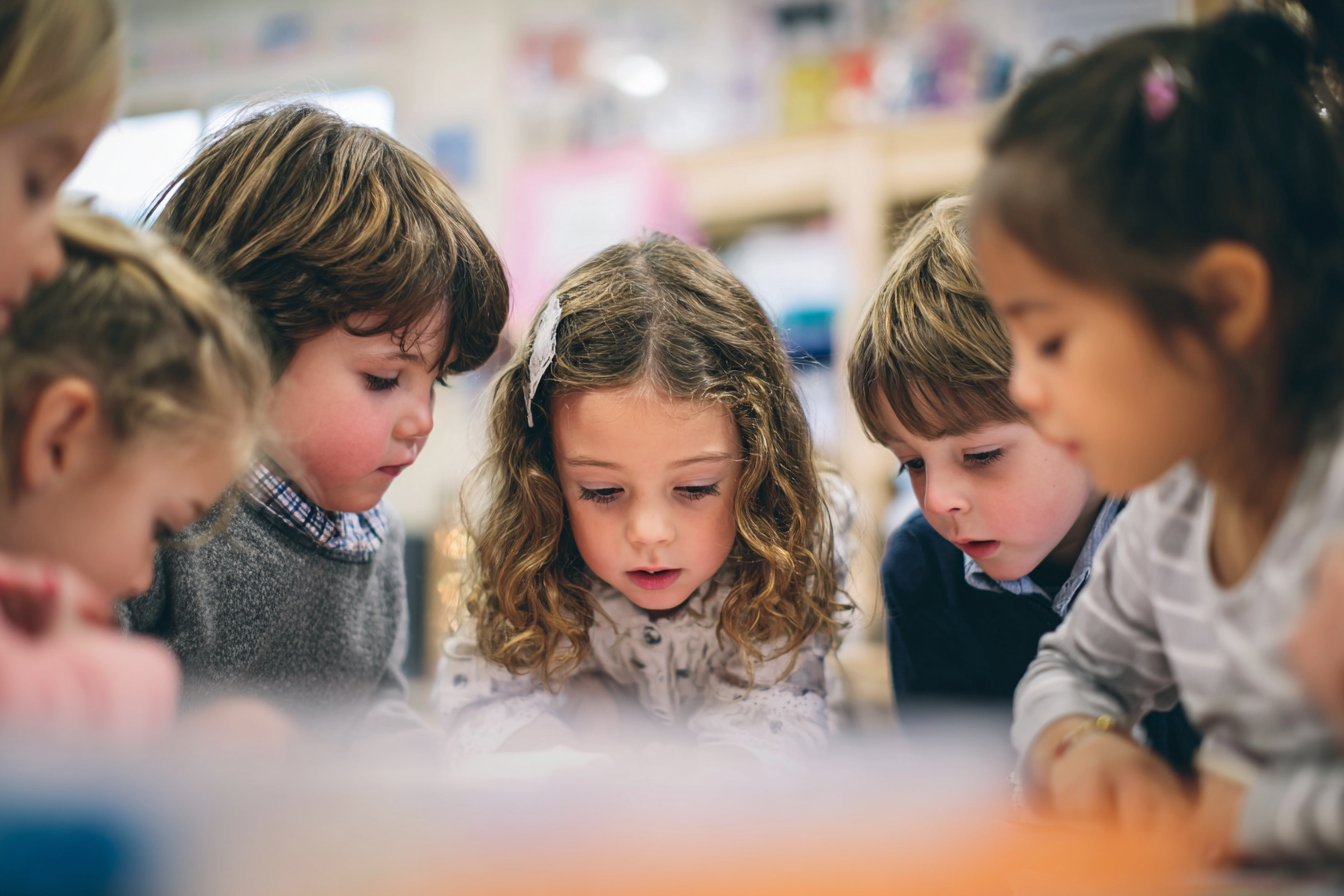
Focus: Help children notice and organize the events of their school day by using temporal words like “first,” “next,” and “last.” Students build understanding of sequence and routine by talking about what happens during the day, arranging picture cards in order, and creating simple 3-step timelines of classroom events.
Grade Level: Kindergarten
Subject Area: Social Studies (History • Inquiry)
Total Unit Duration: 5 sessions (one week), 20–30 minutes per session
I. Introduction
In this unit, students become “Time Detectives” who explore how their school day has a beginning, middle, and end. They learn that events happen in an order and that we can use special words—“first,” “next,” and “last”—to tell about that order. Through whole-class charts, picture card activities, and personal daily timelines, children practice naming classroom routines in sequence and talking about what they do during the day.
Essential Questions
- What happens first, next, and last in our school day?
- How do timelines help us remember and tell about our day?
- Why is it helpful to know what comes next in our daily routine?
- How can we use time words to tell someone about what we do at school?
II. Objectives and Standards
Learning Objectives — Students will be able to:
- Identify and name key classroom events and routines (arrival, morning meeting, centers, recess, lunch, specials, dismissal).
- Use temporal words (“first,” “next,” “last”; with teacher support, “yesterday,” “today,” “tomorrow”) to describe daily events.
- Work with classmates to sequence picture cards of classroom events on a large class timeline.
- Create an individual 3-step timeline of their school day using pictures and/or labels.
- Orally explain their daily timeline, using at least one temporal word to talk about the order.
Standards Alignment — Kindergarten (C3-based custom)
- K.C3.Hist.1 — Sequence daily events using temporal words (first/next/last; yesterday/today/tomorrow).
Success Criteria — Student Language
- I can name things we do at school and say what happens first, next, and last.
- I can help put picture cards of our day in the correct order.
- I can make my own 3-step timeline of our day.
- I can tell a partner about my timeline using time words like “first” and “next.”