Unit Plan 2 (Grade K Social Studies): Rules and Routines Matter
Help kindergarteners understand why rules and routines matter through observations, stories, and a class-made rule poster that supports safety, fairness, and community.

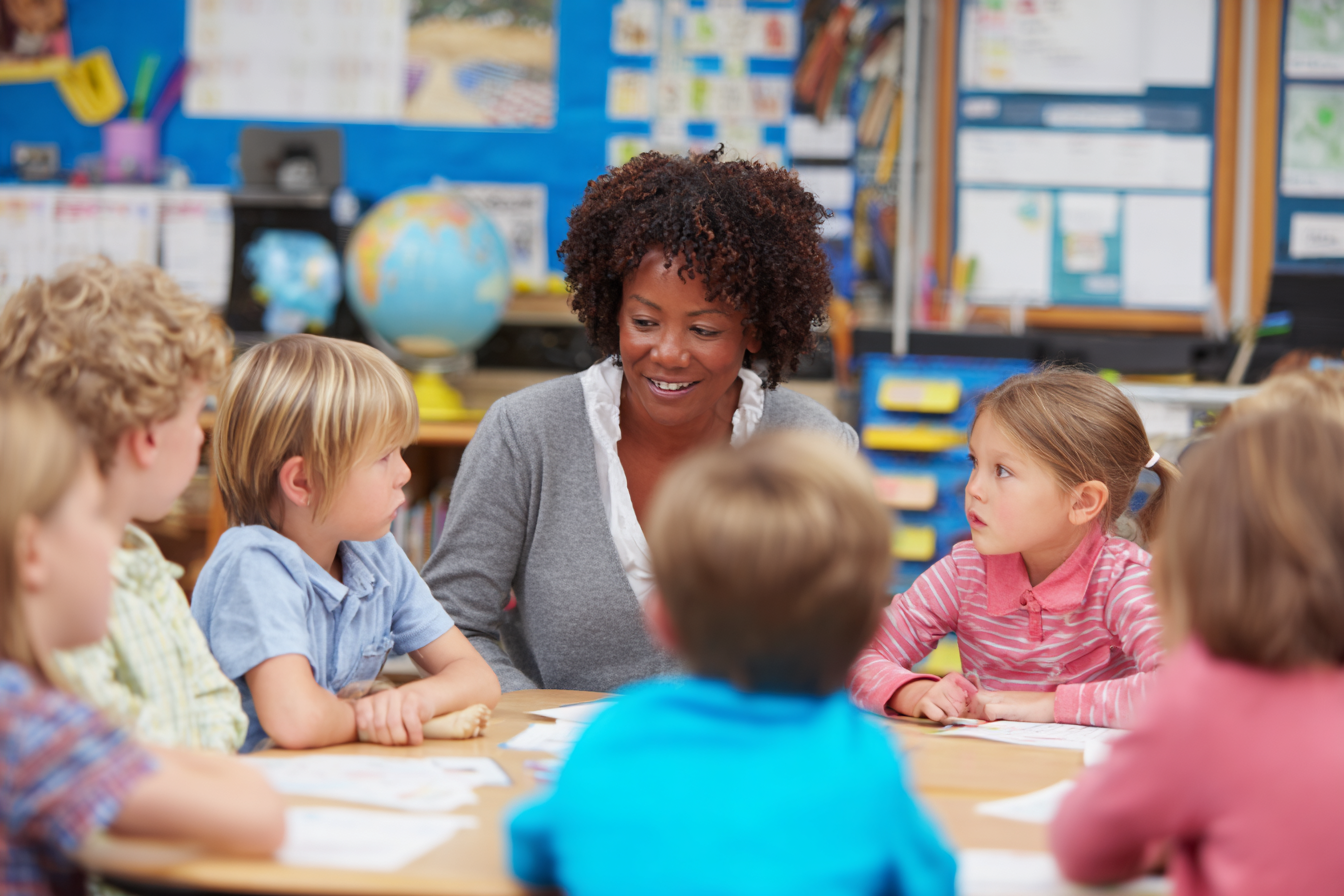
Focus: Help children understand why rules and routines are important at school and at home. Students notice rules during a classroom walk, connect them to safety and fairness, and begin using simple observations and picture books to talk about how rules help everyone. They work together to design a class rule poster that shows how they will follow key rules.
Grade Level: Kindergarten
Subject Area: Social Studies (Civics • Inquiry • Community)
Total Unit Duration: 5 sessions (one week), 20–30 minutes per session
I. Introduction
This unit builds on the idea of our classroom as a community by focusing on rules and routines and why they matter. Students explore what happens when rules are followed versus when they are ignored, and they connect rules at school to rules at home. Through stories, observations, and simple discussions, children learn that rules and routines help keep people safe, make things fair, and help our day go smoothly. The week ends with a class rule poster created by students to display in the room.
Essential Questions
- Why do we have rules at school and at home?
- How do rules help us stay safe and fair?
- What are some important routines we follow every day?
- What can we see in our classroom that shows rules and routines at work?
- How can we make a class rule poster that helps us remember what to do?
II. Objectives and Standards
Learning Objectives — Students will be able to:
- Name at least two classroom rules and explain in simple terms how they keep us safe and fair.
- Notice and describe routines (lining up, circle time, cleanup) that help our day go smoothly.
- Use observations (looking around the classroom/school) and simple picture books to gather ideas about rules and helpers.
- Compare rules at school with rules at home, sharing one example of each.
- Help design and decorate a class rule poster that shows pictures and/or words for core rules.
Standards Alignment — Kindergarten (C3-based custom)
- K.C3.Civ.1 — Explain classroom rules and how they keep us safe and fair.
- K.C3.Inq.2 — Gather information from observations and simple sources (photos, maps, short texts).
Success Criteria — Student Language
- I can say one rule at school and tell how it helps keep us safe or fair.
- I can tell about a routine we do every day and why it’s important.
- I can look around the classroom and notice rules in action (like walking in the hall).
- I can tell one way rules at home and rules at school are alike.
- I can help make our class rule poster and explain one picture or rule on it.