Unit Plan 22 (PreK Art): Look & Compare
Preschool art unit where children compare two artworks, describe colors, shapes, and lines, and identify simple actions they see in both pictures.

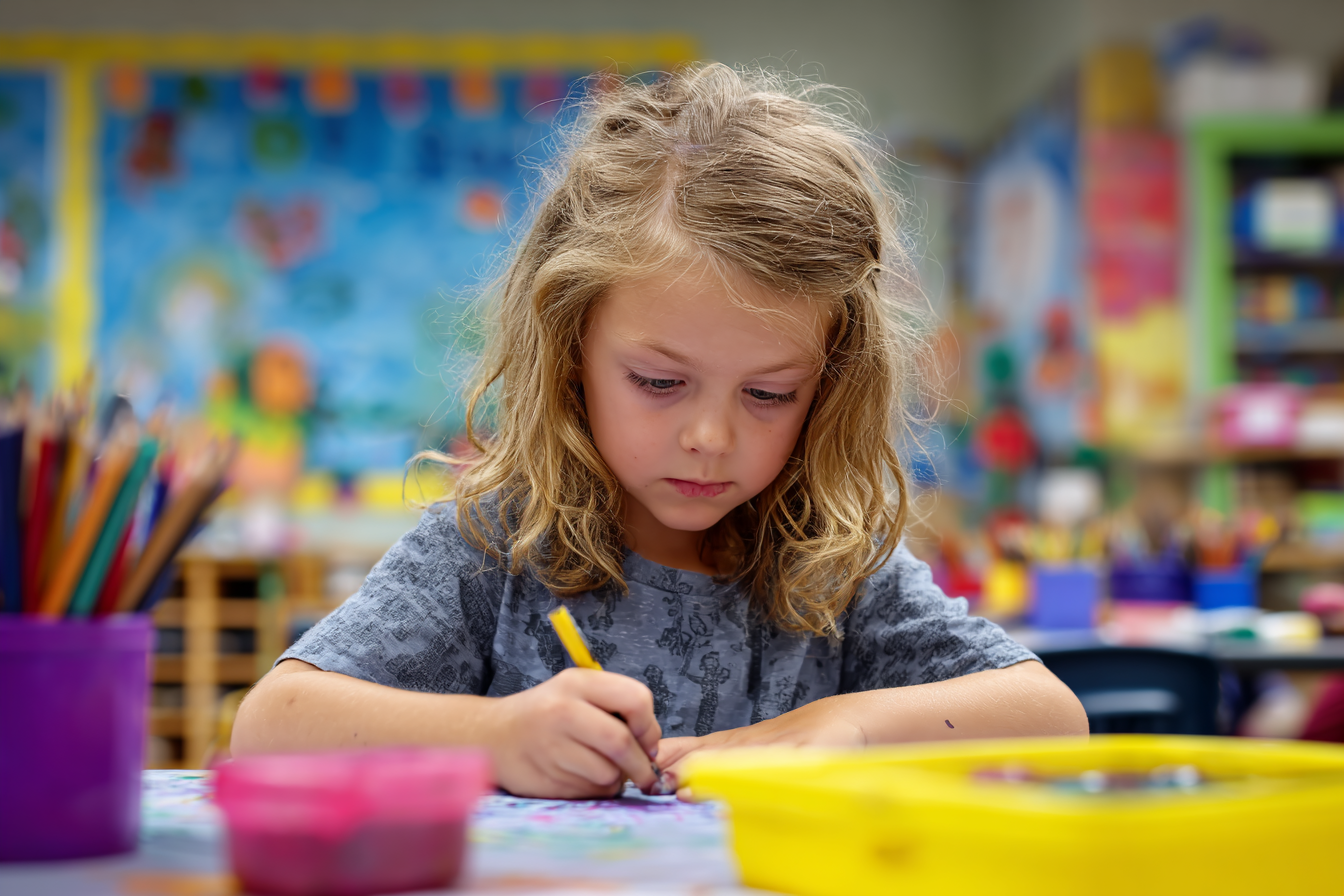
Focus: Describe similarities between artworks by looking at colors, shapes, lines, and actions.
Grade Level: PreK
Subject Area: Art (Visual Arts • Responding)
Total Unit Duration: 1–3 weeks, 20–30 minutes per session
I. Introduction
In this unit, preschool children practice being art detectives by looking closely at two artworks at a time and noticing what is the same and what is different. They describe colors, shapes, and lines they see and talk about what might be happening in each picture. Children learn to use simple comparison language—“both,” “same,” “different”—and connect their ideas to what they actually see in the artwork. By the end of the unit, children will be able to point out at least one similarity between two artworks and name some of the colors, shapes, or actions they notice.
Essential Questions
- What do I see when I look at artwork (colors, shapes, lines, people, animals)?
- How can I tell what might be happening in a picture?
- How can I find things that are the same in two pictures?
- Why is it helpful to look and compare instead of just looking quickly?
II. Objectives and Standards
Learning Objectives — Children will be able to:
- Look closely at artworks and describe what they see using words for colors, shapes, and lines.
- Identify simple actions or stories that might be happening in pictures (e.g., running, playing, sleeping).
- Use simple comparison language to describe similarities between two artworks (e.g., “Both have circles,” “They both show people.”).
- Participate in guided discussions where they take turns sharing what they notice in art.
- Begin to listen to classmates’ ideas and notice when they see the same thing as a friend.
Standards Alignment — PreK (NCAS-Aligned)
- VA:Re7.PKa — Describe colors, shapes, and lines seen in artwork.
- Example: A child says, “I see red and blue.”
- VA:Re8.PKa — Identify what is happening in artwork.
- Example: A child says, “The dog is running.”
Success Criteria — Child-Friendly Language
- I can look closely at artwork and say what I see.
- I can name colors, shapes, or lines in a picture.
- I can tell something that might be happening in the artwork.
- I can say at least one way two pictures are the same.
- I can listen to my friends’ ideas and sometimes say, “I see that too!”