Unit Plan 19 (PreK Art): Texture Play
Preschool art unit where children explore rough, smooth, and bumpy textures through touch and create playful collages using different materials.

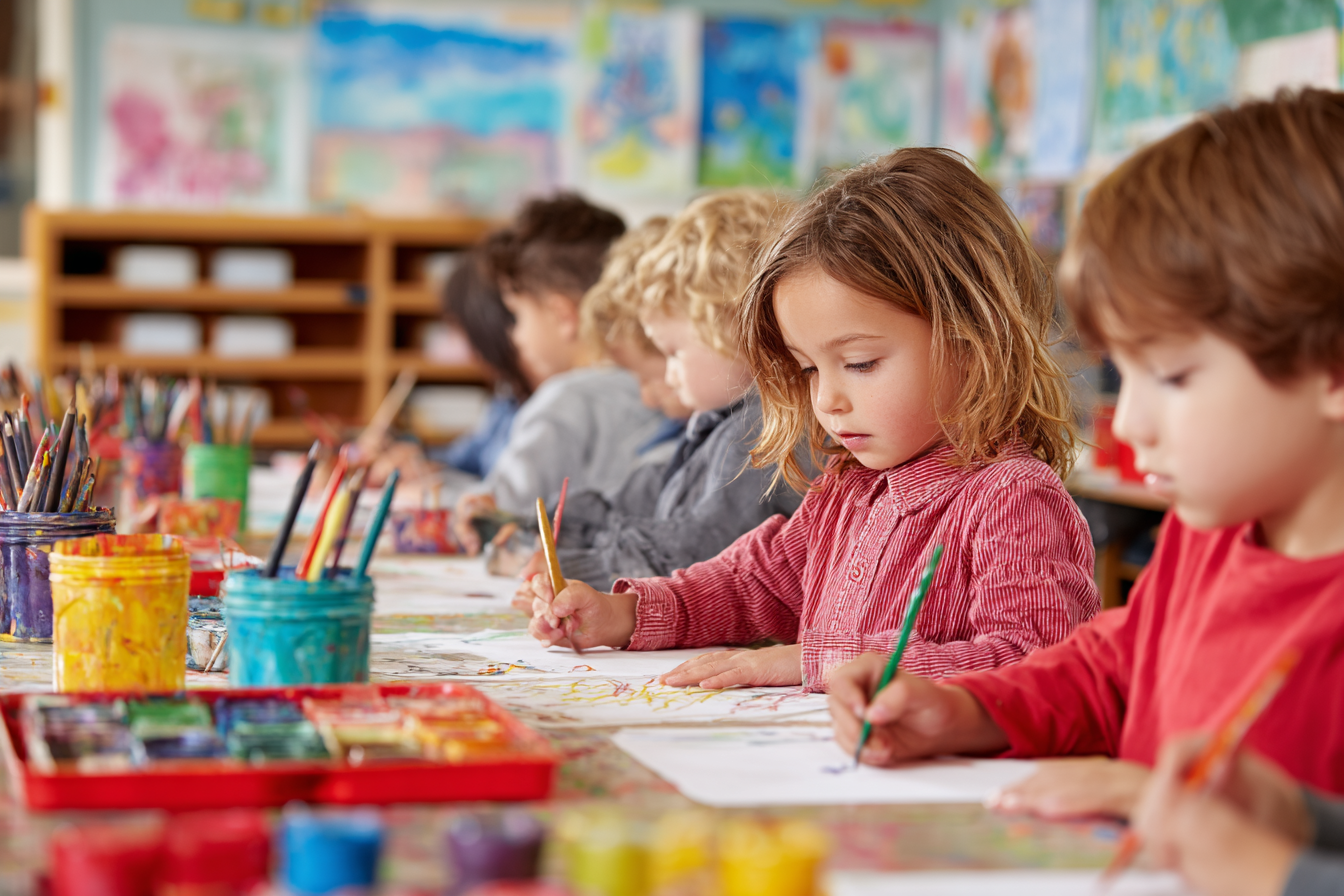
Focus: Explore rough, smooth, and bumpy textures through playful art-making.
Grade Level: PreK
Subject Area: Art (Visual Arts • Creating)
Total Unit Duration: 1–3 weeks, 20–30 minutes per session
I. Introduction
In this unit, preschool children become texture explorers, using their hands and eyes to notice how things feel: rough, smooth, bumpy, soft. They experiment with different art materials—crayons over textured surfaces, bumpy collage pieces, soft tissue paper, and squishy clay—to discover how textures can show up in artwork. Children learn that texture is something they can feel and sometimes see, and that artists can choose materials to make pictures or sculptures feel a certain way. By the end of the unit, children will be able to name simple textures and create artwork that includes more than one kind of texture.
Essential Questions
- What does texture mean in art?
- How do things feel when I touch them—rough, smooth, or bumpy?
- How can I use different materials to make my artwork feel different?
- How can I be safe and gentle when exploring textures with my hands and tools?
II. Objectives and Standards
Learning Objectives — Children will be able to:
- Explore a variety of materials (paper, fabric, cardboard, clay, textured objects) using touch and simple words like rough, smooth, and bumpy.
- Experiment with art tools (crayons, glue, paint, fingers, collage tools) to create different textured effects.
- Create a simple artwork that includes at least two different textures.
- Use simple language to talk about how their artwork feels (e.g., “This part is bumpy,” “This part is smooth.”).
- Follow safety and care routines when using materials, keeping them away from mouth and eyes and cleaning hands after messy exploration.
Standards Alignment — PreK (NCAS-Aligned)
- VA:Cr2.PKa — Experiment with art materials such as paint, clay, paper, and collage tools.
- Example: Children explore mixing colors with their fingers or brushes.
Success Criteria — Child-Friendly Language
- I can touch and notice how things feel (rough, smooth, bumpy).
- I can try different materials to make textures in my art.
- I can make a picture or collage that has more than one kind of texture.
- I can say, “This part feels rough,” or “This part feels bumpy.”
- I can use materials safely and help clean up after texture play.