Unit Plan 27 (PreK Music): Group Music Sharing
PreK group performance unit building start/stop cues, turn-taking, and confident singing, chanting, and movement with friendly stage manners.

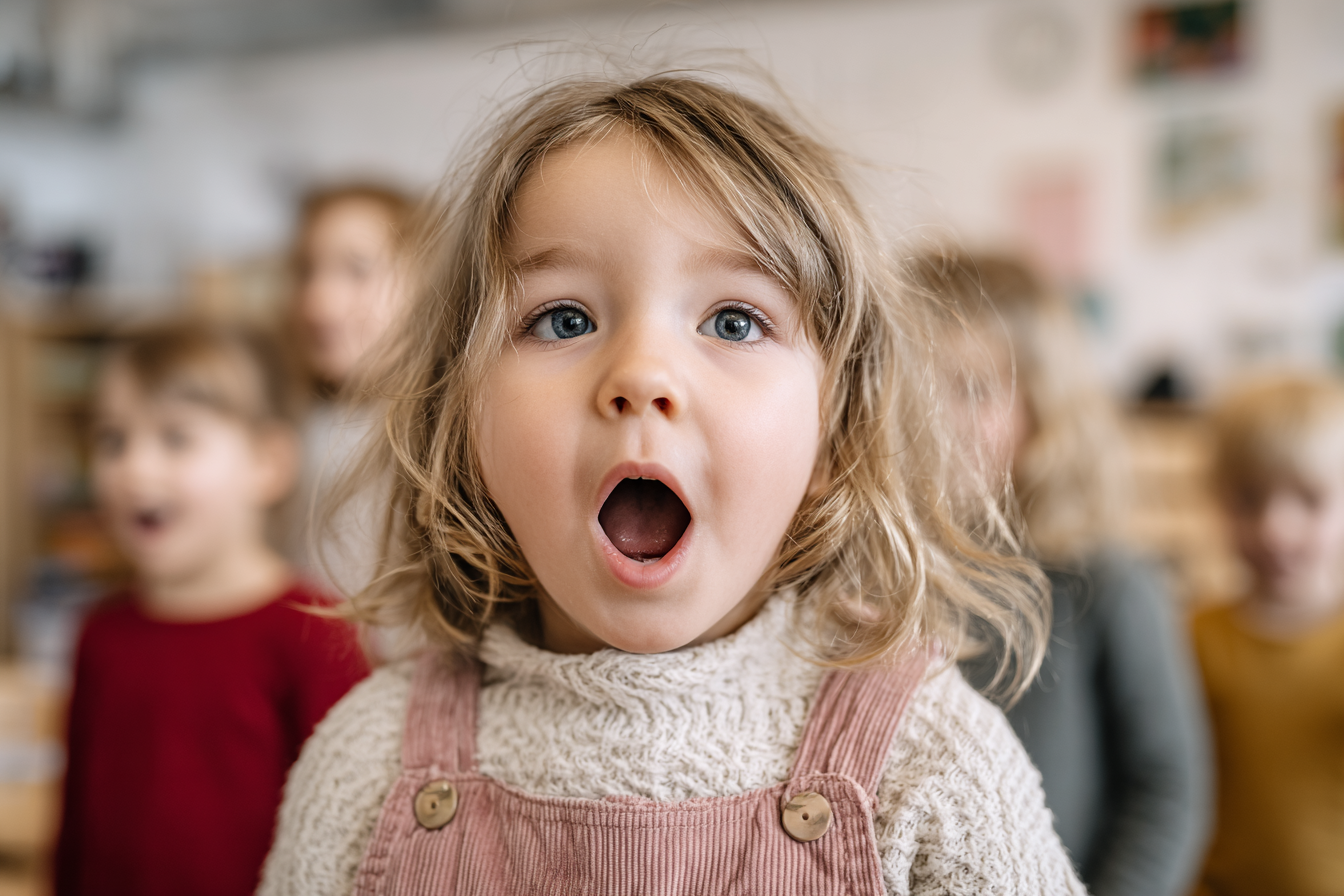
Focus: Perform music together as a class, taking turns, starting and stopping together, and sharing songs, chants, and movements with friendly stage presence.
Grade Level: PreK
Subject Area: Music (Performing • Responding • Connecting)
Total Unit Duration: 2–3 sessions (2+ weeks), 20–30 minutes per session
I. Introduction
Children prepare to share music as a group, practicing how to stand or sit together, listen for the teacher’s signal, and start and stop at the same time. Through simple songs, chants, and movement games, they learn to watch the leader, follow cues, and feel proud performing with friends. The unit emphasizes confidence, cooperation, and joyful participation rather than perfection.
Essential Questions
- How do we perform music together as a class?
- What does it look and sound like when we use our best performance manners?
- How can we show that we are proud and confident when we share music with others?
II. Objectives and Standards
Learning Objectives — Children will be able to:
- Perform simple songs, chants, or movement pieces together as a class, starting and stopping with teacher cues.
- Show performance manners such as eyes on the leader, quiet bodies between pieces, and staying in their own space.
- Share music with visible enjoyment, using smiles, gestures, or confident voices.
- Take turns performing as a class or in small groups while others act as a respectful audience.
Standards Alignment — PreK Music
- MU:Pr6.1.PK — Perform music for others.
- Children share music in informal settings.
- Example: Singing for another class or caregivers.
- MU:Pr5.1.PK — Perform music with expression and enjoyment.
- Children sing, chant, or move with engagement and confidence.
- Example: Singing familiar songs with gestures.
Success Criteria — Child-Friendly Language
- “I can sing or move with my class when the teacher gives the signal.”
- “I can show my best performance manners: eyes on the teacher, quiet body, ready to start and stop.”
- “I can smile or move to show I enjoy the music.”
- “I can be a good audience friend when others perform.”