Unit Plan 31 (PreK Music): Music & Imagination
PreK music unit using sound, movement, and storytelling to spark imagination, feelings, connections to play and real-life.

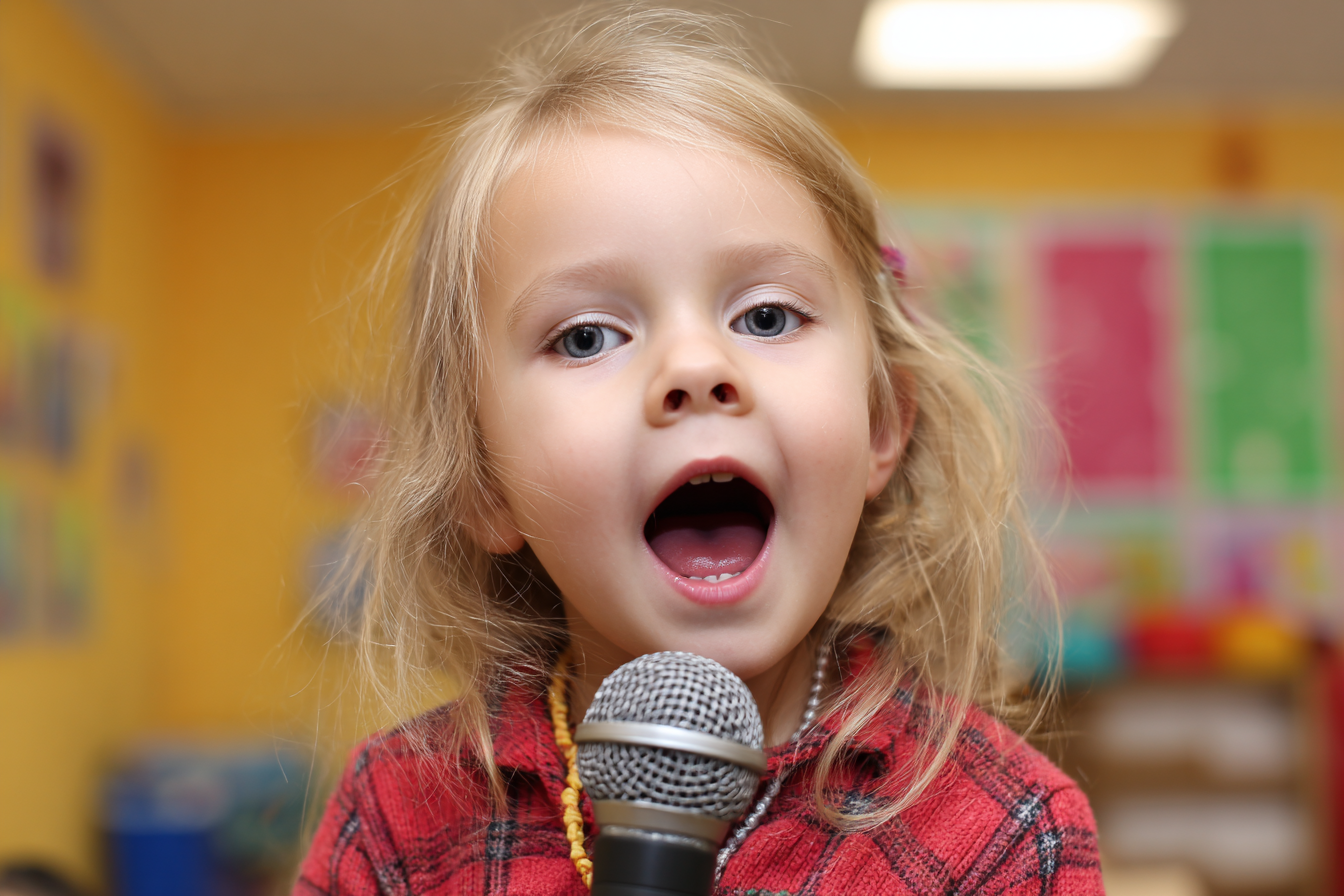
Focus: Use music to spark pretend play, storytelling, and simple creative movement, helping children turn sounds into characters, places, and actions.
Grade Level: PreK
Subject Area: Music (Exploring • Performing • Responding • Connecting)
Total Unit Duration: 3–4 sessions (2+ weeks), 20–30 minutes per session
I. Introduction
Children use their imaginations to turn music into stories, characters, and places. Through simple listening tasks, expressive movement, and playful “sound stories,” they explore how music can sound like sneaky, bouncy, sleepy, or excited ideas. The class connects music to their own pretend games, home play, and favorite toys or animals.
Essential Questions
- How can music help us pretend and tell stories with our bodies and voices?
- What do we notice in music (fast/slow, loud/soft, high/low) that helps us imagine feelings, characters, or places?
- How can we use sounds, movements, and pictures to show what we imagine when we hear music?
- How does music at home, at school, or in our games help us feel happy, brave, or calm?
II. Objectives and Standards
Learning Objectives — Children will be able to:
- Use their bodies, voices, and simple instruments to show an idea from music (e.g., an animal, weather, or a favorite activity).
- Describe in simple words or gestures how a piece of music makes them feel or what it makes them think of.
- Work with classmates to create a very short sound story or pretend scene using music and movement.
- Share their imaginative ideas with the group, listening to others’ ideas and trying their classmates’ movements.
- Connect music activities to a personal experience (e.g., “This song sounds like when I play outside”).
Standards Alignment — PreK Music (NAfME-Aligned)
- MU:Cr1.1.PK — Explore musical ideas through play and improvisation.
- Children experiment with sounds using voice, body, and classroom instruments.
- Example: Making up sounds for animals or weather.
- MU:Cn10.0.PK — Relate music to personal experiences.
- Children connect music to home, play, celebrations, and emotions.
- Example: Recognizing a song sung at home or school.
Success Criteria — “I can…” / “We can…” Language
- I can move or play to show what I imagine when I hear music.
- I can say or show if music feels happy, sad, excited, or calm.
- I can help my class make a sound story with music, sounds, and pretending.
- I can tell how our music play reminds me of things I do at home, school, or when I play.
- We can listen while friends share their imagination music and try their ideas respectfully.