Unit Plan 12 (PreK Music): Rhythm Echoes
PreK rhythm unit for echoing and creating simple patterns with clapping, body percussion, and instruments to build listening and steady beat skills.

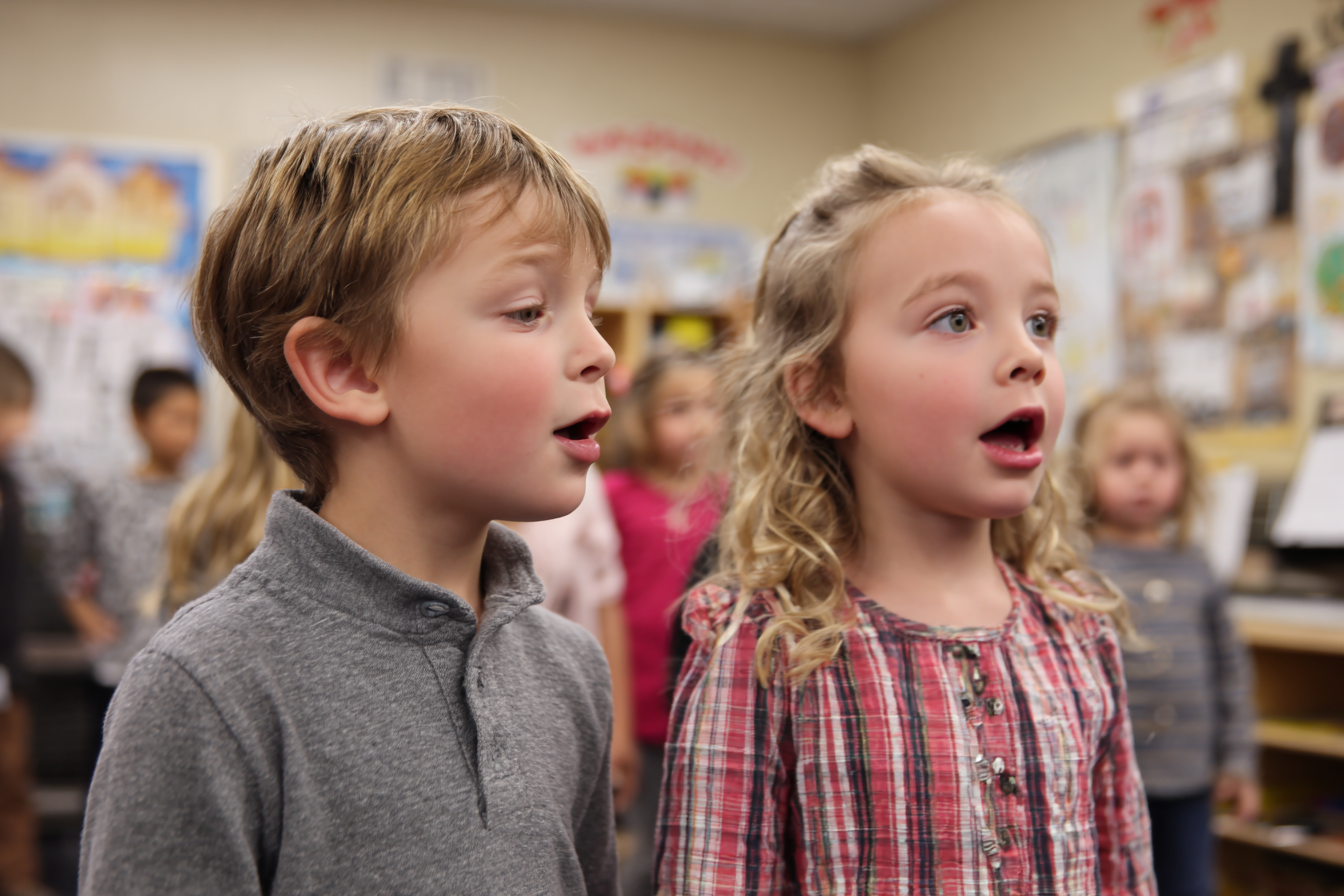
Focus: Echo and create simple rhythmic patterns using voice, body percussion, and classroom instruments.
Grade Level: PreK
Subject Area: Music (Exploring • Performing • Creating)
Total Unit Duration: 2–3 weeks, 20–30 minutes per session
I. Introduction
Children explore short rhythm patterns by listening, echoing, and creating their own ideas. Using clapping, patting, and classroom instruments, they practice hearing a pattern and copying it back to the teacher like a “rhythm mirror.” Over time, they begin to take turns as the leader, making up a simple pattern for the class to echo. The focus is playful, with strong routines for turn-taking, listening, and keeping a steady beat in a group.
Essential Questions
- How can I listen to a rhythm and echo it back with my hands, feet, or instruments?
- What does it feel like when we keep a steady beat together as a class?
- How can I make a short rhythm pattern that my friends can copy?
II. Objectives and Standards
Learning Objectives — Children will be able to:
- Echo short rhythmic patterns (2–4 beats) using clapping, patting, or classroom percussion.
- Keep a simple steady beat while moving or playing instruments.
- Create and share a short “my turn” rhythm for others to echo.
- Use picture cards or simple marks (dots/lines) to help remember or organize a rhythm pattern.
Standards Alignment — PreK Music (NAfME-Aligned, PreK-Adaptive)
- MU:Cr2.1.PK — Organize sounds into simple patterns.
- Children repeat, echo, and vary short musical ideas.
- Example: Copying a teacher’s clapped rhythm or adding one new sound at the end.
- MU:Pr5.1.PK — Perform music with expression and enjoyment.
- Children sing, chant, or move with engagement and confidence.
- Example: Echoing classroom rhythms with smiles, steady beat, and clear motions.
Success Criteria — Child-Friendly Language
- “I can listen to a rhythm and clap it back.”
- “I can keep a steady beat with my hands, feet, or instruments.”
- “I can make a short rhythm for my friends to copy.”
- “I can use pictures or dots to help me remember my rhythm.”