Unit Plan 22 (PreK PE): Helping Friends
PreK PE builds teamwork and kindness through a buddy obstacle course where children help, wait, encourage, and move safely together.

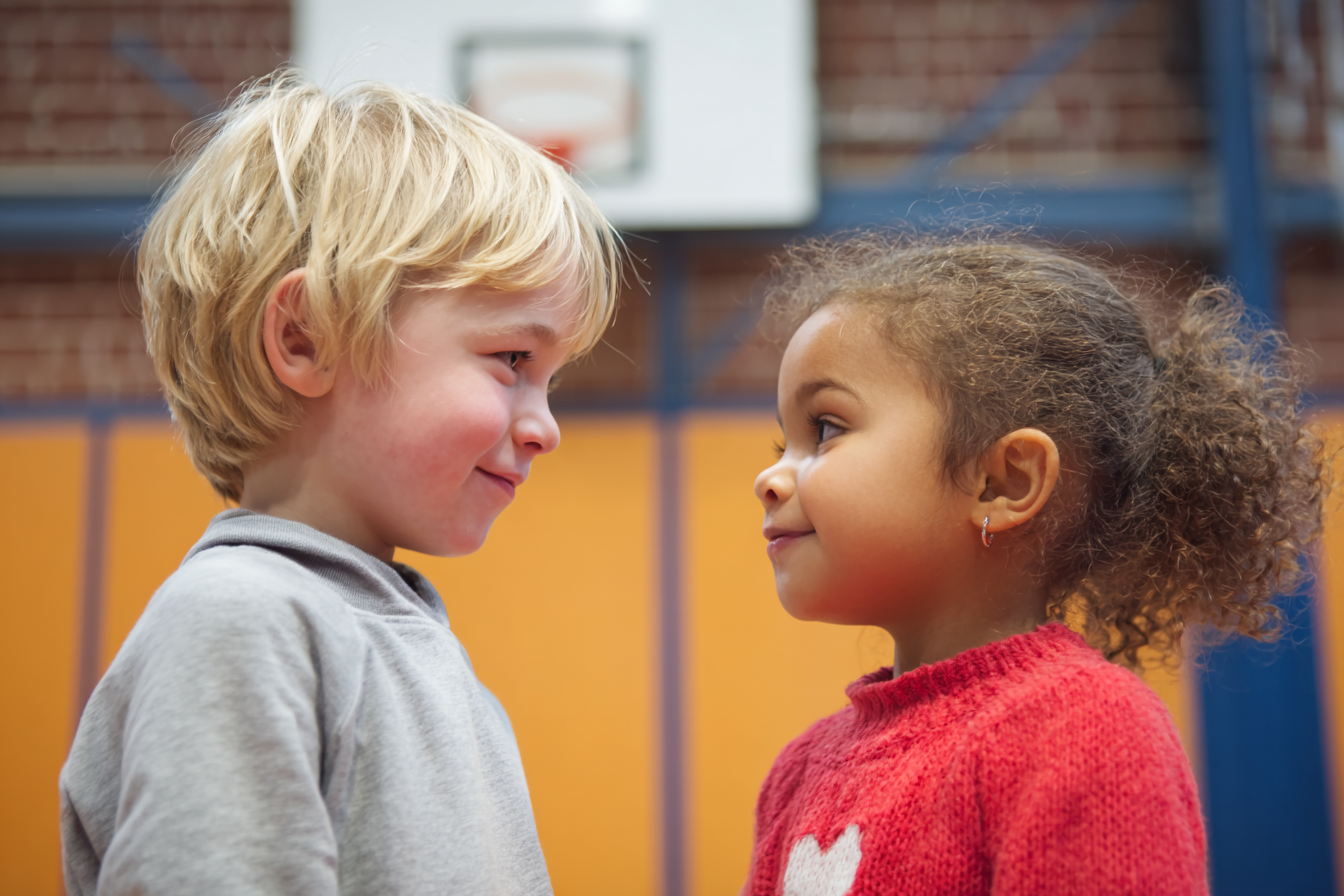
Focus: Help children build teamwork and kindness through a playful cooperative obstacle course where partners encourage one another, share space, and complete simple movement tasks together.
Grade Level: PreK
Subject Area: Physical Education (Cooperation & Kindness • Partner Skills • Shared Movement)
Total Unit Duration: 2 core sessions + 2 optional sessions (1–2 weeks), 20–30 minutes per session
I. Introduction
PreK students continue building social and movement confidence by learning that PE can be a place to help others, not just move by themselves. At this age, children benefit from simple partner activities that teach them how to wait, share, encourage, and move together in safe ways. This unit uses partner stretching as the warm-up and then moves into a cooperative obstacle course where children complete simple movement tasks with a buddy, such as crawling, stepping, carrying, and balancing through the course together. The goal is to help children understand that teamwork means helping, encouraging, and using kind actions so both partners can be successful.
Essential Questions
- How can I help a friend in PE?
- What does teamwork look like in a movement game?
- How can I use kind words and actions with a partner?
- Why is it important to work together in cooperative games?
II. Objectives and Standards
Learning Objectives — Students will be able to:
- Demonstrate cooperation and kindness during partner and group movement activities.
- Practice helping, waiting, and encouraging a partner during a cooperative obstacle course.
- Share space and simple equipment in a safe and fair way.
- Participate actively in teamwork-based movement games with growing confidence.
Standards Alignment — PreK (SHAPE America-based custom)
- PE:S4.PKb Demonstrate cooperation and kindness while participating in group activities.
- Example: Children encourage classmates during a partner game.
Success Criteria — Student Language
- I can help my partner.
- I can use kind words.
- I can wait and take turns.
- I can work together in PE.