Unit Plan 4 (PreK Social Studies): Being a Good Friend
Teach PreK students how to be a good friend with this 5-day social studies & SEL unit on sharing, taking turns, kindness projects, and building a caring classroom community.

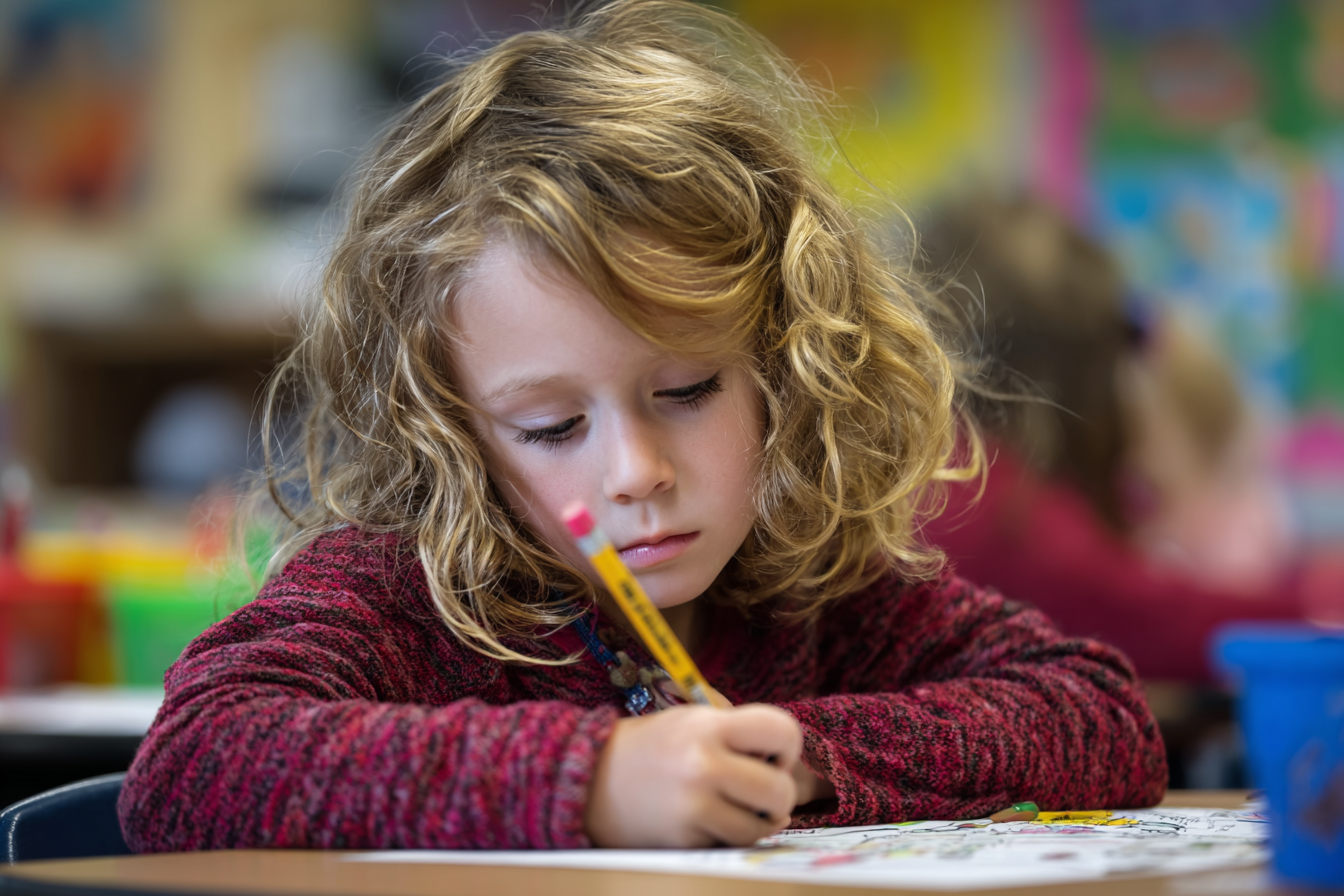
Focus: Help children learn what it means to be a good friend—cooperating, taking turns, showing empathy, and helping others. Students will practice group decision-making (voting, sharing ideas), kind actions during play and clean-up, and participate in a simple kindness project for others.
Grade Level: PreK
Subject Area: Social Studies (Civics • Community • SEL)
Total Unit Duration: 5 sessions (one week), 15–20 minutes per session
I. Introduction
In this unit, children explore how to be a good friend at school. Through stories, role-play, and simple group activities, they practice sharing, taking turns, listening to others’ ideas, and noticing feelings. Students experience how cooperating and helping make play and work more fun and safe for everyone. The class also completes a small kindness project to show care for others in the school community.
Essential Questions
- What does it mean to be a good friend?
- How can we work and play together kindly?
- How do we listen, take turns, and make choices together as a group?
- How can our class help others and show kindness?
II. Objectives and Standards
Learning Objectives — Students will be able to:
- Name at least two ways to be a good friend (e.g., sharing, helping, using kind words).
- Practice taking turns, listening, and sharing ideas during a simple group decision or vote.
- Show care for others by helping with clean-up, sharing materials, or comforting a friend.
- Participate in a class kindness project to help others (e.g., cards, posters, or a simple service action).
Standards Alignment — PreK (C3-based custom)
- PK.C3.Civ.3 — Participate in group decisions. Votes, shares ideas, and listens to others when making choices together.
- Example: Voting on a class book or snack.
- PK.C3.Civ.5 — Show care and responsibility for the classroom community. Helps clean up, shares materials, and treats others with respect.
- Example: Returning blocks to the correct shelf after play.
- PK.C3.Inq.4 — Participate in class projects that help others. Takes part in simple service or kindness actions.
- Example: Making thank-you cards for school helpers.
Success Criteria — Student Language
- I can say and show ways to be a good friend.
- I can take turns and listen when we make a choice together.
- I can help take care of our classroom and friends.
- I can help my class do something kind for others.