Unit Plan 24 (PreK Social Studies): My Family History
Help PreK children talk about their families, share simple traditions, and describe how they’ve grown using first/next/last in short personal stories.

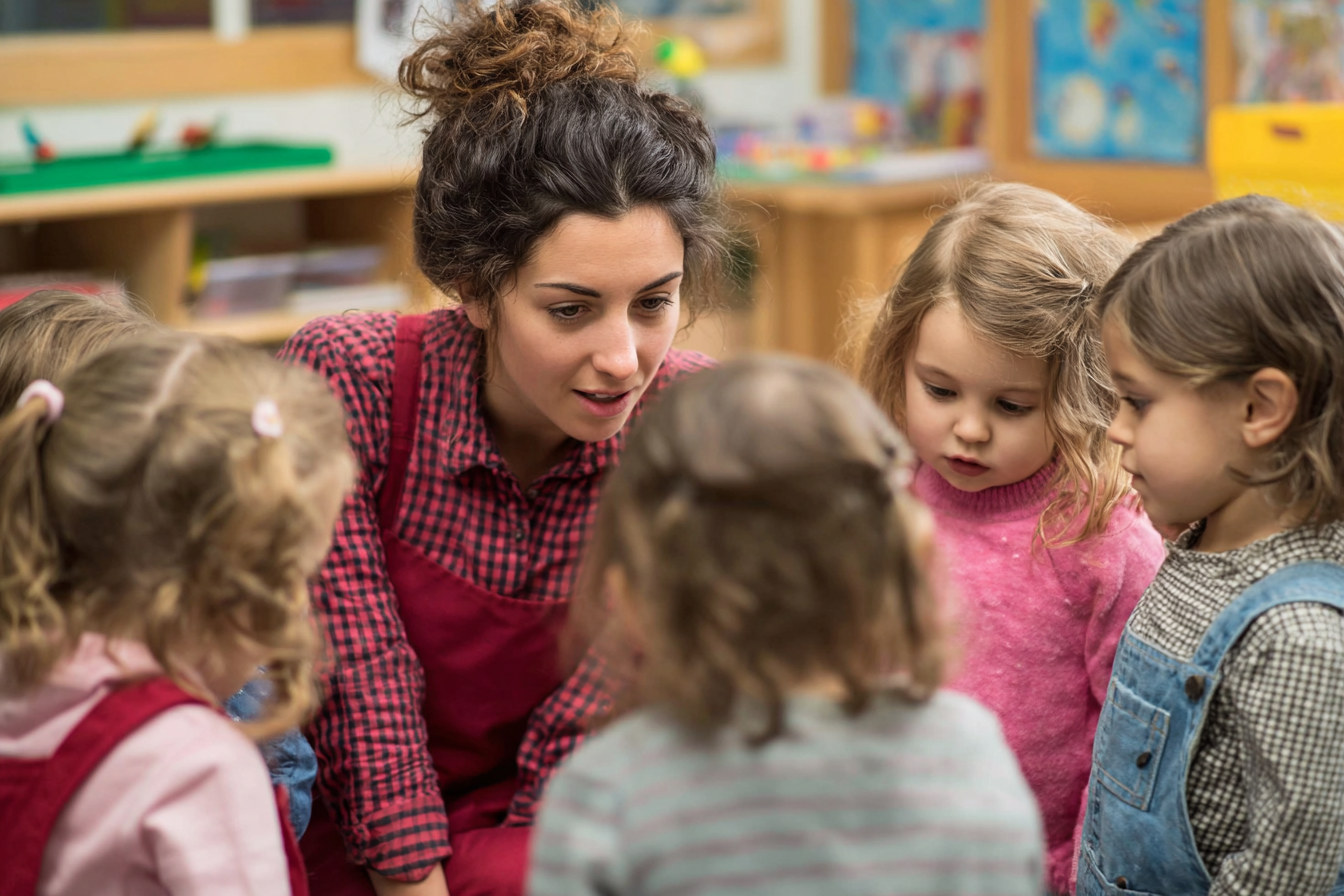
Focus: Help children talk about their families, use first/next/last to describe family events, notice how families change and grow over time, and share simple traditions that make their families special.
Grade Level: PreK
Subject Area: Social Studies (History)
Total Unit Duration: 5 sessions (one week), 15–20 minutes per session
I. Introduction
In this unit, children explore their own family history in simple, concrete ways. They talk about who is in their family now, what life was like when they were babies or younger, and how families can change and grow over time. Children practice telling about personal events using “first, next, last” and connect their family stories to special traditions like foods, songs, or celebrations.
They also begin to build a very simple family tree or family picture chart, showing important people in their lives. Throughout the week, the emphasis is on positive, inclusive language (“families can all look different”) and respect for every child’s unique family structure and story.
Essential Questions
- Who is in my family, and how are we connected?
- How has my family or my life changed from when I was a baby to now?
- How can I tell a story about my life using first, next, last?
- What special traditions or celebrations does my family have?
II. Objectives and Standards
Learning Objectives — Students will be able to:
- Name at least two family members and describe how they are connected (e.g., “This is my dad,” “This is my grandma”).
- Use first, next, last to tell about a simple family event or daily routine.
- Describe at least one way they have grown or changed over time (baby vs. now).
- Share at least one family tradition or special activity.
- Contribute to a simple family tree or family picture page for a class book or display.
Standards Alignment — PreK (C3-based custom)
- PK.C3.Hist.1 — Tell about personal events in order. Uses words like first, next, and last to talk about experiences.
- Example: “First we had snack, then we played outside.”
- PK.C3.Hist.2 — Recognize change over time. Compares past and present experiences.
- Example: “When I was little, I had a crib.”
- PK.C3.Hist.4 — Share family and cultural traditions. Talks about customs, foods, and celebrations at home.
- Example: Bringing a photo from a family celebration to share.
Success Criteria — Student Language
- I can tell who is in my family.
- I can tell about something that happened using first, next, last.
- I can say one way I have changed since I was a baby.
- I can share one special family tradition or activity.
- I can help make a family history picture or page for our class.