Unit Plan 28 (PreK Social Studies): Needs and Wants
Help PreK children learn the difference between needs and wants, explore resources like trees and water, and make smart choices through play and sorting activities.

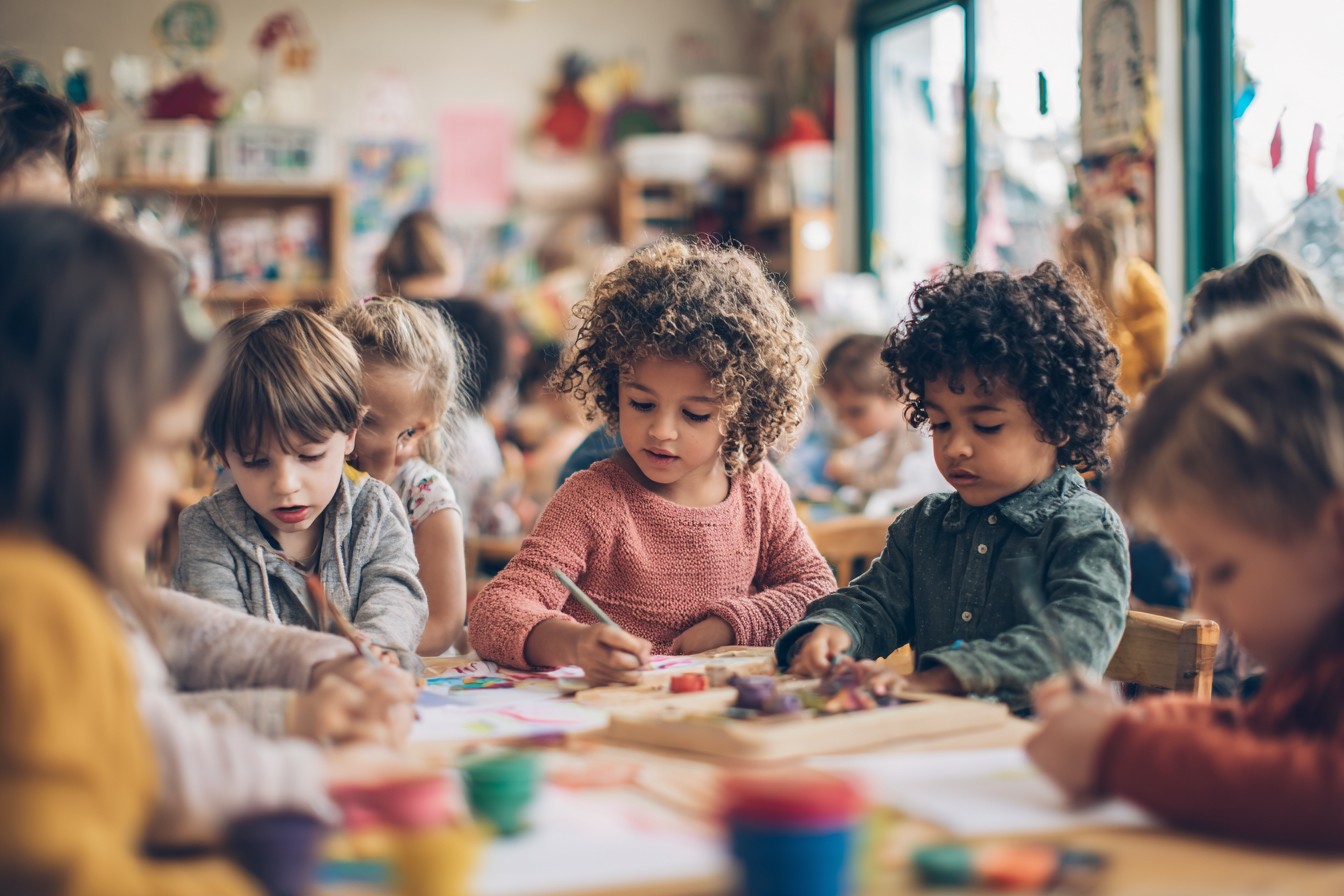
Focus: Help children differentiate basic needs and wants and notice that people use resources (natural and manmade) to meet their needs. Through stories, picture sorts, and pretend play, children explore food, water, shelter, clothing, and things we want like toys and treats, and begin to see simple connections between resources and everyday items.
Grade Level: PreK
Subject Area: Social Studies (Economics)
Total Unit Duration: 5 sessions (one week), 15–20 minutes per session
I. Introduction
In this unit, children learn to tell the difference between things we need to live and be safe, and things we simply want because they are fun or special. Using real objects, picture cards, and role-play with a “class store,” they sort items into needs (food, water, shelter, clothing) and wants (toys, candy, extra treats).
Children also begin to notice that many things we use come from resources—like trees for paper or cotton for clothes. They talk about how we should use these resources carefully so that there is enough for everyone.
Essential Questions
- What do we need to live and stay healthy?
- What are some things we want but do not need?
- How do resources (like trees and water) help us get what we need?
- How can we take care of the things we use so they don’t go to waste?
II. Objectives and Standards
Learning Objectives — Students will be able to:
- Name at least two basic needs (e.g., food, water, shelter, clothing).
- Sort common items into needs and wants with support.
- Notice at least one resource used to make an everyday item (e.g., paper from trees).
- Use simple language to describe how people use resources (e.g., “We use water to drink and wash.”).
- Participate in a class “needs and wants” activity and share an idea about something they need or want.
Standards Alignment — PreK (C3-based custom)
- PK.C3.Econ.1 — Identify basic needs and wants. Explains that people need food, water, shelter, and clothing.
- Example: “We wear coats when it’s cold.”
- PK.C3.Econ.5 — Describe how people use resources. Notices how we use natural or manmade items for living.
- Example: “We use trees to make paper.”
Success Criteria — Student Language
- I can tell something I need (like food, water, clothes, a home).
- I can tell something I want (like toys or treats).
- I can say where something comes from, like “Paper comes from trees.”
- I can help sort pictures or objects into needs and wants.
- I can share one idea in our class needs and wants activity.