Unit Plan 10 (PreK Social Studies): What Is a Place?
I help PreK children explore familiar places like home, school, and the park—what we do there and what we see outside—building early geography and observation skills.

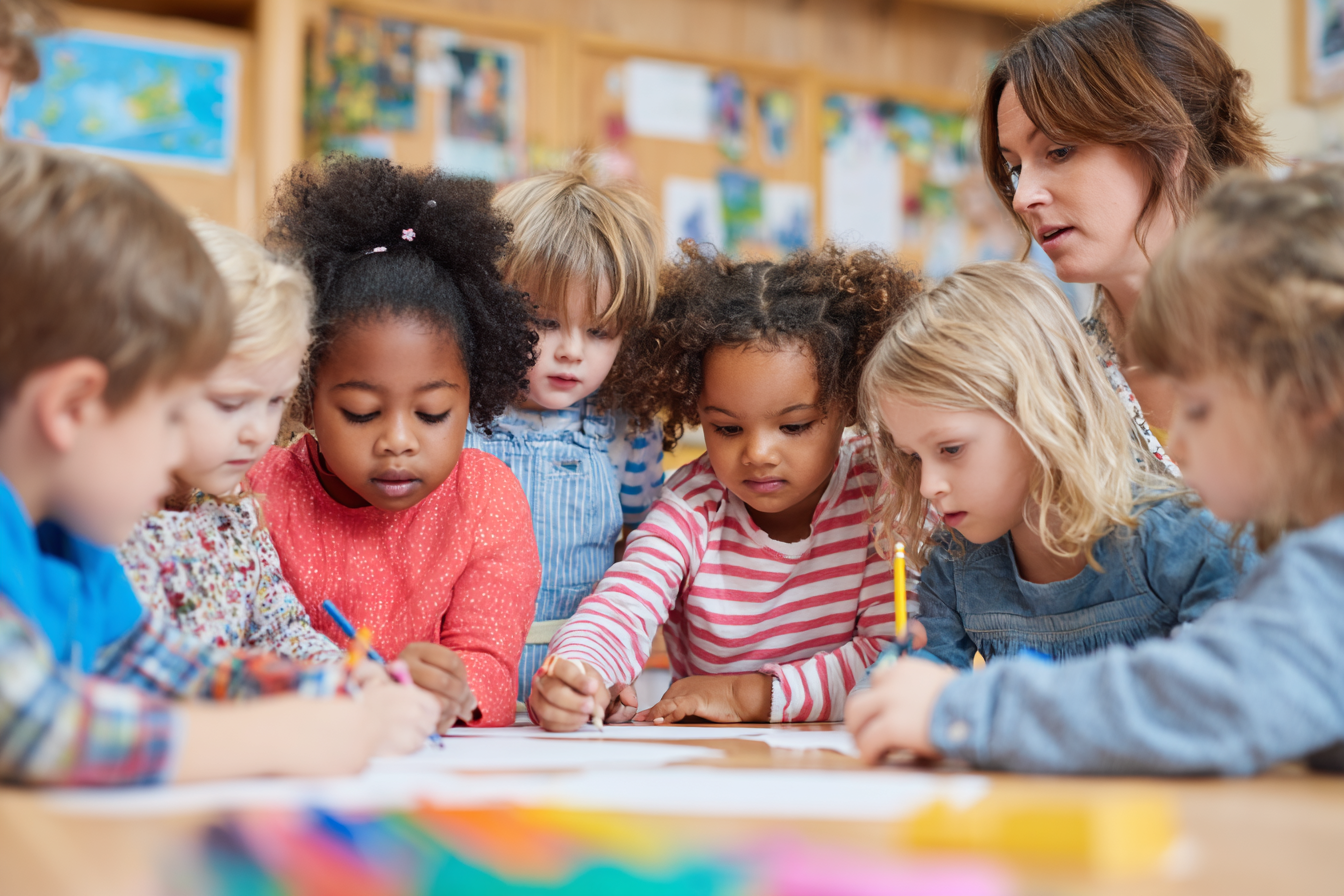
Focus: Help children name familiar places (home, school, park) and begin to notice what makes each special and different, including the people, things we do there, and what we see outside (trees, grass, weather).
Grade Level: PreK
Subject Area: Social Studies (Geography)
Total Unit Duration: 5 sessions (one week), 15–20 minutes per session
I. Introduction
In this unit, children explore the idea of a place as somewhere we go, live, or play, like home, school, and the park. Through stories, pictures, and simple maps, they learn to name places, talk about what people do there, and describe what they see in those places (buildings, trees, grass, sky, weather). Children begin to notice that each place is unique and that we may use places in different ways.
Essential Questions
- What is a place?
- What places are familiar to me (home, school, park)?
- What do we do at each place?
- What do we see outside in these places (trees, grass, buildings, weather)?
II. Objectives and Standards
Learning Objectives — Students will be able to:
- Name at least two familiar places (home, school, park, playground).
- Tell or show one thing people do at a familiar place.
- Describe at least one feature they see in a place (e.g., trees, grass, building, slide, sky, sun).
- Use simple words to say how two places are the same or different (e.g., “We play at both,” “Home has a bed, school has tables”).
Standards Alignment — PreK (C3-based custom)
- PK.C3.Geo.1 — Identify familiar places and spaces. Recognizes and names places like home, school, and playground.
- Example: “We walk to the library from school.”
- PK.C3.Geo.4 — Observe and describe the environment. Talks about natural features like trees, grass, and weather.
- Example: “It’s windy today, and the leaves are moving.”
Success Criteria — Student Language
- I can name places I know (home, school, park).
- I can say what we do in a place.
- I can tell something I see in a place (trees, grass, building, sky).
- I can say how two places are the same or different.