Parent Tips: Cafeteria Confidence—Helping Kids Handle Lunchroom Stress, Food Worries, and Social Pressure
Help kids overcome school lunch stress with parent tips for cafeteria noise, seating anxiety, food worries, and building lunchtime confidence.

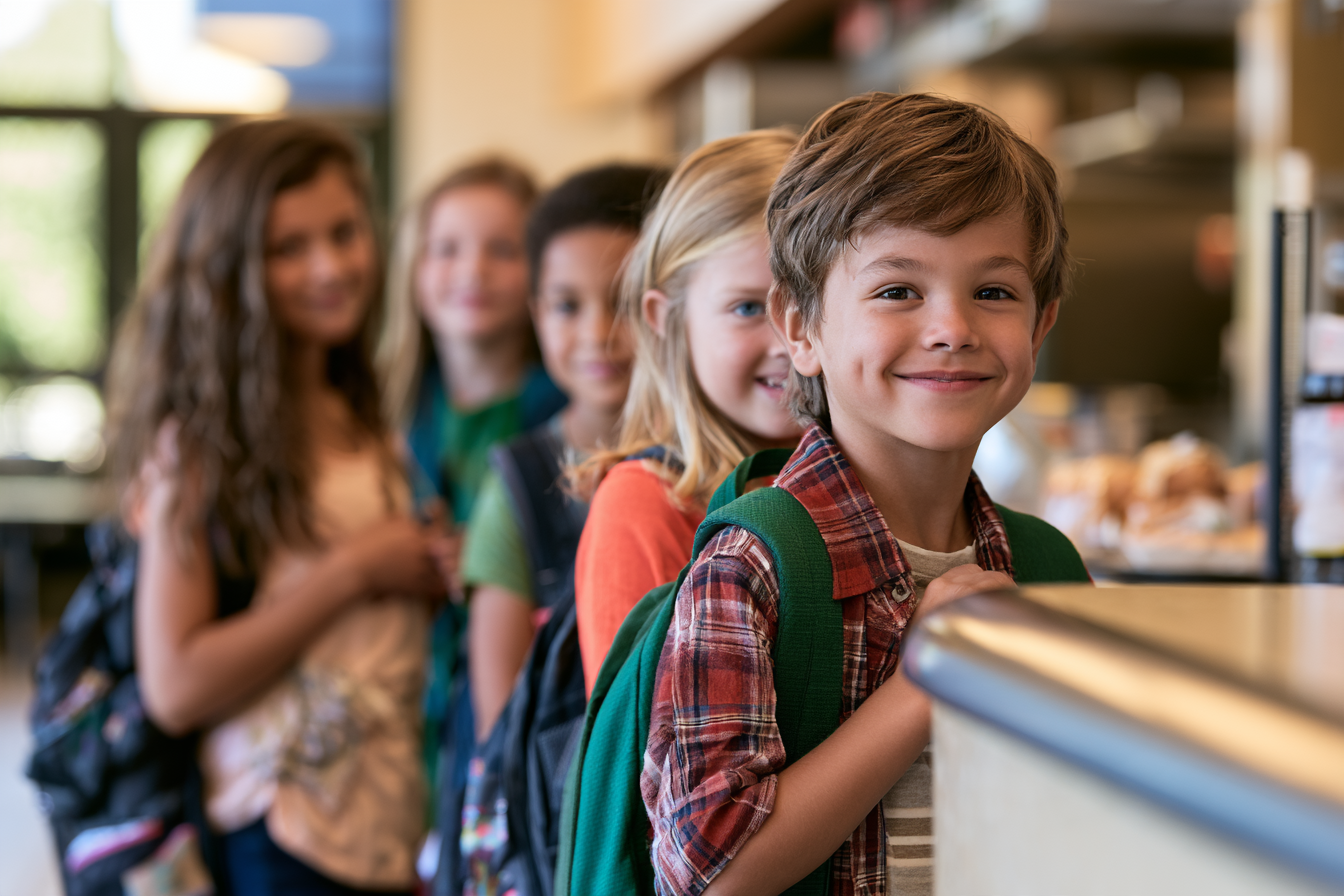
“I'm starving!”
Your child walks through the door after school, drops their backpack, and heads straight for the kitchen. You open their lunchbox and discover that most of the food you packed that morning is still there. When you ask why they didn't eat, the answer is vague: “I didn't have time,” “It was too loud,” or simply, “I wasn't hungry.”
For many children, lunch is one of the most complicated parts of the school day. The cafeteria combines food, friendships, noise, crowded spaces, unfamiliar routines, and social expectations into a relatively short period. Some children love the opportunity to talk with friends, while others spend lunchtime worrying about where to sit, whether someone will comment on their food, or how quickly they need to finish eating.
Research suggests these concerns deserve attention. Studies have connected shorter lunch periods and noisier cafeterias with lower food consumption, while research on students' experiences has identified crowding, peer interactions, and social discomfort as important parts of the lunchroom environment (Cohen et al., 2016; Caruso & Rosenthal, 2020; Graziose et al., 2019).
Want done-for-you lesson plans for less than $2? Click Here to explore.
The good news is that many lunchroom challenges can be addressed through relatively small changes at home and school.
The first step is understanding what is preventing your child from feeling comfortable enough to eat and enjoy lunch.
Why Lunch Can Be Harder Than Parents Realize
Adults sometimes think of school lunch as a simple break in the day.
Children get their food, sit down, eat, and return to class.
But consider everything a child may need to manage:
- Walking through a crowded hallway
- Waiting in a lunch line
- Finding a place to sit
- Opening packages and containers
- Managing conversations with classmates
- Navigating unfamiliar foods
- Tolerating noise and movement
- Eating before the lunch period ends
- Responding to teasing or unwanted comments
- Following cafeteria expectations
For some children, these demands are manageable. For others, the combination creates considerable stress.
Research involving elementary students found that quieter, less crowded cafeterias and longer eating periods were associated with greater consumption of certain foods (Graziose et al., 2019; Gross et al., 2019).
This means that an unfinished lunchbox does not automatically indicate that your child dislikes the food.
Sometimes the problem is the environment surrounding the meal.
Barrier #1: Your Child Doesn't Have Enough Time to Eat
One of the most common lunchroom complaints is also one of the easiest to overlook.
“I ran out of time.”
A school may schedule a thirty-minute lunch period, but that does not mean every student receives thirty minutes to eat.
Children may spend time walking to the cafeteria, waiting in line, finding their seats, opening containers, getting utensils, and cleaning up.
Research by Cohen et al. (2016) examined school lunch consumption among more than 1,000 students. Children with fewer than twenty minutes of seated eating time consumed significantly less of several meal components than those with at least twenty-five minutes.
What Parents Can Do
Ask your child:
“How much time do you actually have to sit and eat after getting your food?”
Then consider practical adjustments:
- Practice opening lunch containers at home.
- Choose packaging your child can manage independently.
- Cut foods into manageable portions when helpful.
- Pack familiar foods that are easy to eat.
- Ask whether long lunch lines are reducing eating time.
- Find out whether students feel pressured to finish quickly.
If your child consistently comes home with most of their lunch untouched, ask the teacher or cafeteria staff whether students are receiving adequate seated eating time.
The solution may involve changing the lunch routine rather than changing the food.
Barrier #2: The Cafeteria Is Too Loud or Overwhelming
Imagine eating lunch in a crowded restaurant where hundreds of people are talking, chairs are scraping, trays are moving, and adults are giving instructions.
Now imagine being seven years old.
For some children, a busy cafeteria is exciting.
For others, it can be overwhelming.
A study by Graziose et al. (2019) found that higher cafeteria noise exposure was associated with lower fruit and vegetable consumption among elementary students. The study was observational, so it does not establish that noise directly caused children to eat less, but it highlights why the eating environment matters.
Signs Noise May Be the Problem
Your child may:
- Complain that lunch is too loud
- Cover their ears in crowded spaces
- Avoid the cafeteria
- Become irritable before or after lunch
- Eat very little despite liking the food
- Prefer eating in quiet environments
- Become distressed by yelling, whistles, or sudden noises
What Parents Can Do
Start by validating the experience.
Try:
“It sounds like the cafeteria feels really overwhelming. What part is hardest?”
Then ask the school whether small environmental adjustments are possible.
These might include seating farther from noisy areas, using a quieter section of the cafeteria, or establishing a predictable routine for entering and leaving the lunchroom.
Check out our engaging printable posters. CLICK HERE to explore!
Some children may benefit from an alternative eating location when appropriate and available.
The goal is not necessarily complete silence.
It is helping your child feel comfortable enough to eat.
Barrier #3: Your Child Feels Lonely or Worries About Seating
For many students, lunchtime is one of the most important social opportunities of the school day.
Children talk with friends, share stories, laugh, and enjoy time without the structure of academic lessons.
Research by Baines and MacIntyre (2022) found that primary school students valued mealtimes for opportunities to interact with friends and classmates.
But that same social environment can be stressful for children who feel excluded.
A child may spend the morning worrying about questions such as:
“Who will I sit with?”
“What if my friends sit somewhere else?”
“What if nobody saves me a seat?”
“What if someone tells me I can't sit there?”
These worries can become especially significant during friendship changes, transitions to a new school, or periods of peer conflict.
What Parents Can Do
Ask questions that help you understand the situation:
- “Who do you usually sit with?”
- “Do you get to choose your seat?”
- “Is there anyone you'd like to sit with?”
- “What happens if your friends aren't there?”
- “Has anyone made you feel unwelcome?”
If seating anxiety is becoming a regular problem, contact the teacher or counselor.
Possible supports include a predictable seating arrangement, help connecting with welcoming peers, or adult assistance when friendship conflicts arise.
Avoid immediately telling your child to “just make new friends.”
Social confidence develops gradually, and some children need assistance navigating difficult peer situations.
No child should have to spend the entire morning worrying about where they will sit at lunch.
Barrier #4: Your Child Feels Embarrassed About Their Food
Children notice differences.
One student brings a lunch from home. Another eats the school meal. Some bring traditional family foods, while others have allergies, dietary restrictions, or limited food choices.
These differences can become sources of curiosity, but they can also lead to uncomfortable comments.
A child may worry that classmates will laugh at their lunch, comment on how much they eat, or question why their food looks different.
Research has also documented perceived stigma associated with free and reduced-price school meals. Chapman et al. (2025) found that parents identified school meal stigma as a concern and viewed universal free school meals as one way to reduce it.
What Parents Can Do
Ask whether anything about lunchtime makes your child feel embarrassed.
You might say:
“Has anyone ever made a comment about your lunch that bothered you?”
Teach simple responses:
“It's something my family makes.”
“I like it.”
“Please don't comment on my food.”
Also explain that different families eat different foods and that no student should be embarrassed about receiving school meals.
If classmates are repeatedly teasing your child, contact the teacher or counselor rather than expecting your child to handle persistent harassment independently.
For food allergies or medical dietary needs, make sure the school has accurate information and an appropriate safety plan.
Lunch should not become a daily exercise in hiding differences.
Barrier #5: Your Child Is Too Busy Socializing to Eat
Not every child who returns home hungry is anxious or uncomfortable.
Some are having such a good time talking with friends that they forget to eat.
They spend lunch laughing, telling stories, and enjoying a rare opportunity for uninterrupted conversation.
Then the cleanup announcement arrives.
Their food is barely touched.
This creates a tricky situation because socializing is an important part of lunch.
You do not want to eliminate something your child enjoys.
What Parents Can Do
Instead of criticizing your child for talking, help them develop a simple routine.
Try:
“I love that you're having fun with your friends. Let's figure out how you can eat enough and still have time to talk.”
Encourage your child to begin eating shortly after sitting down, pause conversations when necessary, and check how much time remains.
You might also practice a short reminder:
“Eat some, talk some, check the time.”
The goal is balance—not forcing children to choose between friendship and food.
Barrier #6: Your Child Worries About the Food Itself
Sometimes the challenge is not the cafeteria environment.
It is the meal.
A child may dislike certain textures, become uncomfortable with unfamiliar foods, worry about getting sick, or struggle with food-related anxiety.
Other children may have genuine medical concerns involving allergies or food intolerances.
Pay attention when your child says:
- “I don't like how it feels in my mouth.”
- “The food smells weird.”
- “I'm scared I'll get sick.”
- “I don't want people watching me eat.”
- “I'm afraid the food isn't safe.”
These comments deserve curiosity rather than an immediate argument about picky eating.
What Parents Can Do
Start by asking what specifically feels difficult.
For ordinary preferences, involve your child in choosing familiar, manageable lunch options when possible.
Avoid turning an unfinished lunch into a punishment or making your child feel ashamed about how much they ate.
If your child has documented food allergies, coordinate directly with the school nurse and food service staff about safe meal procedures.
If food anxiety, restrictive eating, or sensory difficulties persist and interfere with adequate nutrition, speak with your child's healthcare professional.
The goal is to make eating feel safe and manageable—not to create additional pressure around food.
The Lunchroom Detective Check
If your child regularly comes home hungry or upset, spend a few days looking for patterns.
Ask yourself:
Does my child bring home most of their lunch?
Investigate eating time, food preferences, packaging, and distractions.
Does my child complain about noise or crowds?
Investigate sensory discomfort and the cafeteria environment.
Does my child worry about where to sit?
Investigate social confidence, friendship patterns, and seating expectations.
Does my child avoid eating certain foods around classmates?
Investigate embarrassment, peer comments, or food-related concerns.
Does my child enjoy lunch but forget to eat?
Investigate time management and social distractions.
Does my child avoid lunch altogether?
Investigate whether anxiety, bullying, access to food, or another significant concern is contributing.
There may be more than one barrier.
A child who feels anxious about seating may also lose their appetite. A child who waits in a long line may have little time to eat after sitting down.
The goal is to identify what is happening before deciding how to respond.
Questions to Ask Your Child
Children do not always recognize why lunchtime feels difficult.
Instead of asking only, “Did you eat your lunch?”, try questions such as:
- “What's your favorite part of lunch?”
- “What's the hardest part?”
- “Do you feel like you have enough time to eat?”
- “Who do you usually sit with?”
- “Is the cafeteria ever too loud?”
- “Does anyone make comments about your food?”
- “Do you feel comfortable asking an adult for help?”
- “What would make lunch better tomorrow?”
Do not ask everything at once.
Choose a few questions during a relaxed conversation, and avoid turning the discussion into an investigation about how much food your child consumed.
The goal is to make your child comfortable sharing concerns.
How to Partner With Teachers, Counselors, and Lunch Staff
Lunchroom problems often require communication among several adults.
A classroom teacher may understand your child's friendships and emotional needs. Cafeteria staff may know where students sit, how long they have to eat, and what happens during meal service.
School counselors can help address persistent social anxiety, loneliness, or peer conflict.
The school nurse can assist with medical concerns involving allergies or other health-related needs.
Example Email to the Teacher
Subject: Question About Lunchtime
Hi [Teacher's Name],
I've noticed that [Child's Name] has been coming home with much of their lunch uneaten and has mentioned feeling uncomfortable during lunchtime.
I'm trying to better understand what might be happening. At home, [Child's Name] has mentioned [brief description, such as noise, seating concerns, not having enough time, or difficulty with the food].
Is this something you've noticed at school? Would it be possible to check whether [Child's Name] has enough time to eat and feels comfortable in the cafeteria?
I'd appreciate any suggestions you or the lunch staff might have for making lunchtime a more positive experience.
Thank you for your help!
[Your Name]
This message gives the teacher useful information without assuming anyone has done something wrong.
It also invites collaboration with the adults who supervise lunch.
Three Common Lunchroom Situations
Example 1: The Child Who Comes Home Starving
A second-grade student regularly returns home with an almost full lunchbox.
After talking with the teacher, the family learns that the child struggles to open several containers and often waits for adult assistance.
The family switches to easier packaging and practices opening containers at home. Staff also check whether the student can begin eating promptly.
The problem was not the food itself.
Example 2: The Child Who Dreads Finding a Seat
A fifth-grade student begins complaining about lunch and occasionally asks to stay home.
The family discovers that a friendship disagreement has left the student unsure where to sit.
A counselor helps the student identify welcoming peers and works with lunch supervisors to create a more predictable seating experience.
The student receives support without being publicly singled out.
Example 3: The Child Who Finds Lunch Overwhelming
A third-grade student frequently complains that the cafeteria is unbearably loud.
The family contacts the school, and staff explore whether seating farther from the busiest areas or another reasonable adjustment might help.
The goal is to reduce unnecessary stress so the child can participate comfortably in lunch.
These examples are illustrative scenarios. The appropriate response depends on the child's needs and the school's available supports.
Try a One-Week Lunchroom Reset
If lunch has become a recurring problem, try a simple five-day plan.
Day 1: Listen
Ask your child what they enjoy and dislike about lunchtime.
Focus on understanding the experience rather than fixing it immediately.
Day 2: Check the Practical Details
Review containers, packaging, food preferences, and your child's ability to eat independently.
Practice any skills that seem difficult.
Day 3: Investigate the Social Experience
Ask about seating, friendships, and interactions with classmates.
Determine whether your child feels comfortable and included.
Day 4: Contact the School
If concerns continue, share specific observations with the teacher, counselor, nurse, or cafeteria staff as appropriate.
Ask whether they notice the same patterns.
Day 5: Make One Adjustment
Choose one realistic change.
It might be a simpler lunch container, more predictable seating, a quieter location, help from lunch staff, or a plan for managing social distractions.
Continue checking in over the following days.
The purpose is not to solve every lunchroom challenge immediately.
It is to make steady progress toward a more comfortable and predictable experience.
When Lunchroom Problems Need More Attention
Occasionally returning home hungry is not necessarily a serious concern.
Persistent distress or inadequate food intake, however, should not be ignored.
Seek additional support if your child:
- Regularly skips most or all of lunch
- Experiences persistent anxiety before lunchtime
- Reports bullying, intimidation, or repeated exclusion
- Frequently complains of stomachaches associated with school meals
- Appears dizzy, weak, or unusually fatigued after school
- Shows significant changes in weight or eating habits
- Expresses intense fear about eating around other people
- Has an unmet allergy or medical dietary accommodation
Work with the school to address safety, supervision, access, and social concerns. Consult your child's healthcare professional when eating difficulties or physical symptoms persist.
Do not assume these problems will disappear if your child simply becomes more confident.
Sometimes confidence grows because adults change the conditions that are making the child uncomfortable.
FAQ
Why does my child come home starving even though I pack enough food?
There are several possible explanations. Your child may not have enough time to eat, may become distracted while talking with friends, may struggle with containers, or may feel uncomfortable in the cafeteria. Ask what happens during lunch before assuming the food is the problem.
Should I tell my child to stop talking and focus on eating?
Children need time to socialize, and lunchtime is an important opportunity for peer interaction. Instead of eliminating conversation, teach a balanced routine that allows your child to eat while enjoying time with friends.
What if my child has nobody to sit with?
Take the concern seriously. Ask whether the situation is occasional or persistent, and contact the teacher or counselor if your child regularly feels excluded. Predictable seating arrangements or supportive peer connections may help.
Can cafeteria noise really affect eating?
Research has found associations between cafeteria noise and students' food consumption (Graziose et al., 2019). Noise does not affect every child equally, but a loud or crowded environment may make eating more difficult for some students.
Should I require my child to finish their lunch at school?
Avoid turning lunch into a source of pressure or shame. Focus on whether your child has enough time, access to suitable foods, and a comfortable eating environment. If your child consistently eats too little, investigate the cause and consult appropriate school or healthcare professionals.
What if other children make fun of my child's lunch?
Teach your child a few simple responses, but do not expect them to handle persistent teasing independently. Contact the teacher or counselor if comments continue. Children should be able to eat without embarrassment about their food, family traditions, or participation in school meal programs.
Conclusion
School lunch is about much more than food.
For children, the cafeteria is a place where nutrition, friendships, independence, sensory experiences, and school routines all come together. A child who struggles at lunch may not know how to explain the problem, especially when the difficulty involves embarrassment, social pressure, or feeling overwhelmed.
Research reminds us that the conditions surrounding school meals matter. Time to eat, noise, crowding, peer interactions, and perceived stigma can all influence children's lunchtime experiences (Baines & MacIntyre, 2022; Chapman et al., 2025; Cohen et al., 2016).
Parents do not need to solve these challenges alone. Classroom teachers, counselors, cafeteria employees, nurses, and administrators can all contribute to making lunch more comfortable, predictable, and supportive.
So the next time your child comes home starving or tells you they hate lunch, resist immediately packing more food or telling them to eat faster.
Instead, ask:
“What is lunchtime actually like for you?”
That question may reveal that the solution has very little to do with what is inside the lunchbox.
And helping your child feel comfortable, included, and confident during lunch can make an important difference in how they experience the entire school day.
Want to save time on lesson planning this week? CLICK HERE to explore our library of 1000s of lesson plans for less than $2!
Transform your classroom into an inspiring, vibrant learning space with our beautifully designed printable posters! Perfect for engaging your students and enhancing your teaching environment, our poster bundles cover everything from historical philosophers to animals. CLICK HERE to explore our exclusive collections on Teachers Pay Teachers and give your students the motivational boost they need!
Sources
Baines, E., & MacIntyre, H. (2022). Children's social experiences with peers and friends during primary school mealtimes. Educational Review, 74(2), 165–187. https://doi.org/10.1080/00131911.2019.1680534
Caruso, C. C., & Rosenthal, A. (2020). Meeting students where they eat: A qualitative study exploring K–12 student experiences of the school cafeteria. Children, Youth and Environments, 30(1), 101–122. https://doi.org/10.7721/chilyoutenvi.30.1.0101
Chapman, L. E., Gosliner, W., Schwartz, M. B., Zuercher, M. D., Ritchie, L. D., Orta-Aleman, D., Hecht, C. E., Hecht, K., Polacsek, M., Patel, A. I., Ohri-Vachaspati, P., Read, M., Olarte, D. A., & Cohen, J. F. W. (2025). Understanding free or reduced-price school meal stigma: A qualitative analysis of parent perspectives. Journal of School Health, 95(6), 389–399. https://doi.org/10.1111/josh.70004
Cohen, J. F. W., Jahn, J. L., Richardson, S., Cluggish, S. A., Parker, E., & Rimm, E. B. (2016). Amount of time to eat lunch is associated with children's selection and consumption of school meal entrée, fruits, vegetables, and milk. Journal of the Academy of Nutrition and Dietetics, 116(1), 123–128. https://doi.org/10.1016/j.jand.2015.07.019
Graziose, M. M., Koch, P. A., Wolf, R., Gray, H. L., Trent, R., & Contento, I. R. (2019). Cafeteria noise exposure and fruit and vegetable consumption at school lunch: A cross-sectional study of elementary students. Appetite, 136, 130–136. https://doi.org/10.1016/j.appet.2019.01.026
Gross, S. M., Biehl, E., Marshall, B., Paige, D. M., & Mmari, K. (2019). Role of the elementary school cafeteria environment in fruit, vegetable, and whole-grain consumption by 6- to 8-year-old students. Journal of Nutrition Education and Behavior, 51(1), 41–47. https://doi.org/10.1016/j.jneb.2018.07.002