Lesson Plan (Grades K-2): Backyard Bug Detectives - Informational Writing, Observation, and Life Science Inquiry
Backyard Bug Detectives blends life science, observation, labeled diagrams, informational writing, and inquiry for engaging K–2 learning.

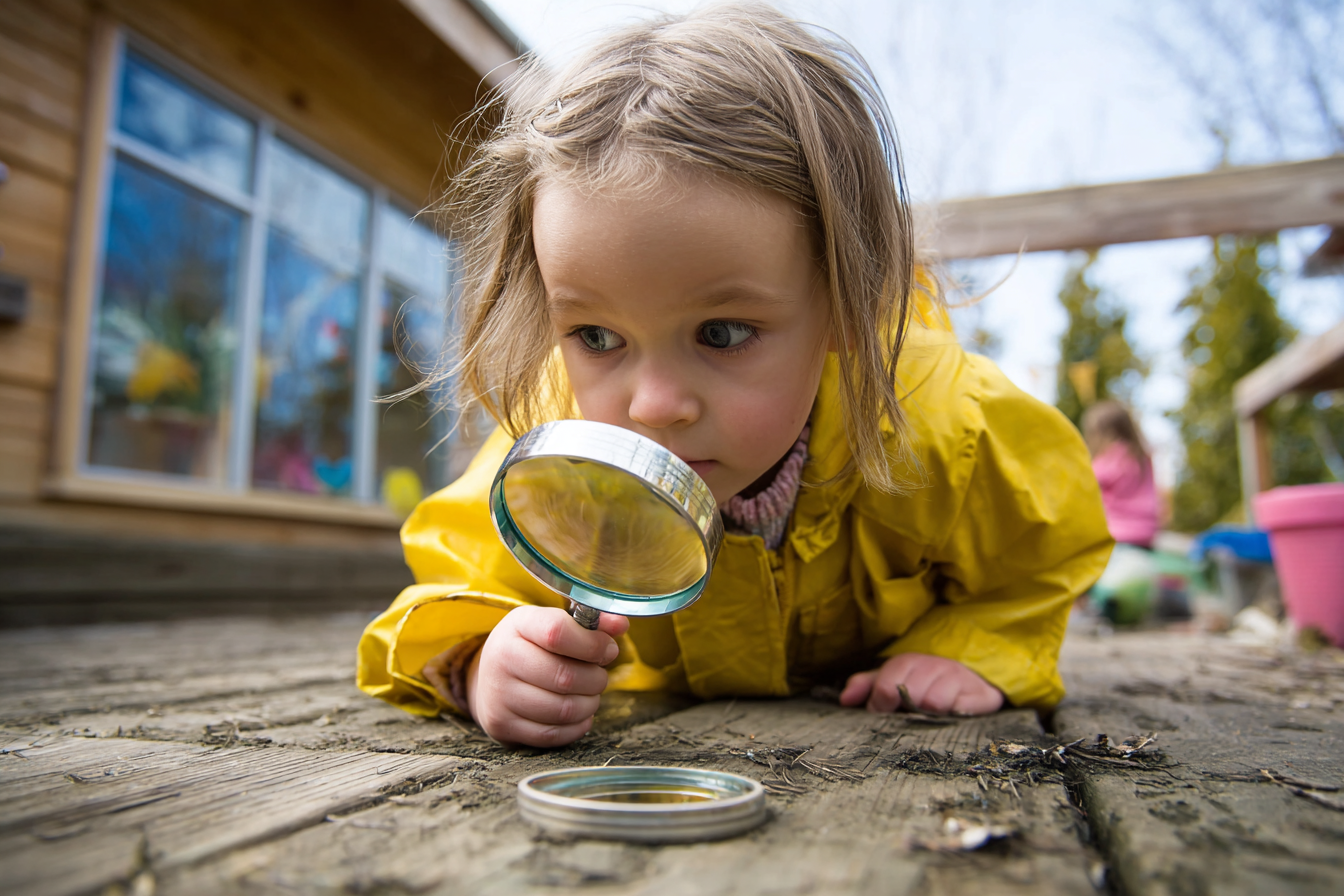
Focus: Engage students in a curiosity-driven life science and informational writing investigation where they become backyard bug detectives, observe insects or small creatures through pictures, videos, outdoor exploration, or classroom-safe specimens, create labeled diagrams, and write simple informative texts using facts and details from observation. Students connect bug body parts and behaviors to how living things survive and solve problems in their environments.
Grade Level: K-2
Subject Area: Science • ELA/Writing • Speaking & Listening • Inquiry/Skills
Total Unit Duration: 1 core lesson with 2 optional extension lessons
I. Introduction
Students become bug detectives as they observe, sketch, label, and write about insects and small backyard creatures. In the core lesson, students examine bug images, videos, outdoor observations, or classroom-safe specimens to notice details such as legs, wings, antennae, body parts, colors, patterns, and movement. They use those observations to create a simple science notebook page with a labeled diagram and then write an informational paragraph or mini-book page explaining what they noticed. The lesson feels active and real-world, but it stays academically strong by combining life science inquiry, observation, descriptive language, fact-based writing, and oral sharing.
Essential Questions
- What can we learn by carefully observing bugs and small creatures?
- How do body parts like legs, wings, antennae, or shells help animals survive?
- How can a labeled diagram help us explain what we noticed?
- How can we use facts and details to write an informational text?
- How do scientists share observations clearly with others?
II. Objectives and Standards
Learning Objectives — Students will be able to:
- Observe an insect or small creature using pictures, videos, outdoor exploration, or safe classroom materials.
- Identify and describe visible body parts such as legs, wings, antennae, shell, eyes, or body segments.
- Create a labeled diagram that shows at least 2–4 important features of the observed creature.
- Use observations and facts to write or dictate a short informational text about the creature.
- Explain how one body part or behavior may help the creature move, hide, find food, or stay safe.
- Share observations orally using facts and descriptive details.
Standards Alignment
- NGSS 1-LS1-1
- Use materials to design a solution to a human problem by mimicking how plants and/or animals use their external parts to help them survive, grow, and meet their needs.
- NGSS K-LS1-1
- Use observations to describe patterns of what plants and animals need to survive.
- CCSS.ELA-LITERACY.W.2.2
- Write informative/explanatory texts in which students introduce a topic, use facts and definitions to develop points, and provide a concluding statement or section.
- CCSS.ELA-LITERACY.W.K.2 / W.1.2
- Use a combination of drawing, dictating, and writing to compose informative/explanatory texts that name a topic and supply information about it.
- CCSS.ELA-LITERACY.SL.2.4
- Tell a story or recount an experience with appropriate facts and relevant, descriptive details, speaking audibly in coherent sentences.
- CCSS.ELA-LITERACY.SL.K.4 / SL.1.4
- Describe familiar people, places, things, and events with prompting and support, using relevant details.
Success Criteria — Student Language
- I can observe a bug carefully and notice details.
- I can draw a bug and add labels to show its parts.
- I can write or tell facts about the bug I studied.
- I can explain how one bug body part helps it live or move.
- I can share my observation with the class using clear details.