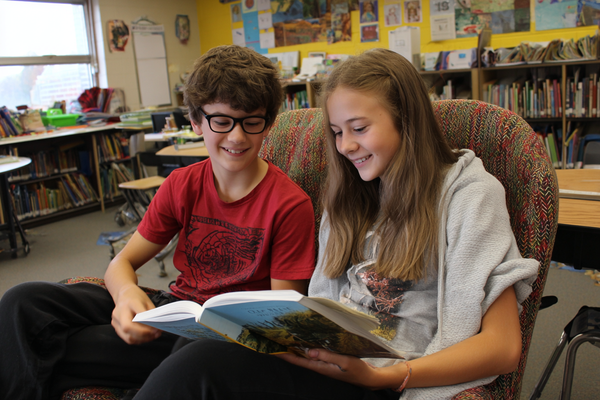
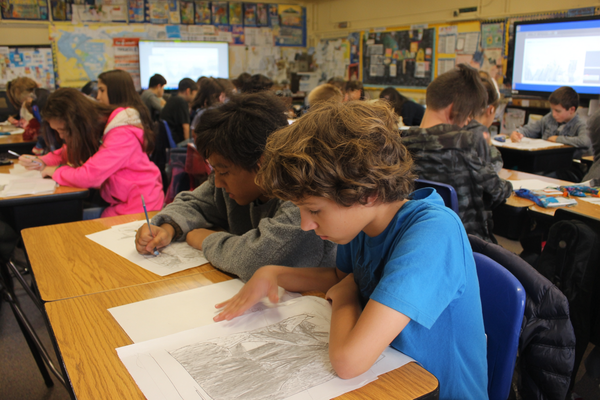
Paid-members only Grade 7 ELA Units Unit Plan 2 (Grade 7 ELA): Reading with Evidence & Theme Grade 7 ELA unit: students ask and answer text-dependent questions, cite strong textual evidence, and infer theme development through close reading, discussion, and writing. Builds skills in analysis, objectivity, and evidence-based reasoning for literary comprehension.
Grade 7 ELA Units Unit Plan 1 (Grade 7 ELA): Launching Our Reading–Writing Community Grade 7 ELA launch unit: students build reading and writing routines, practice close reading and discussion norms, and establish writer’s workshop habits. They develop stamina, grammar precision, and collaboration to start the year as confident, engaged readers and writers.
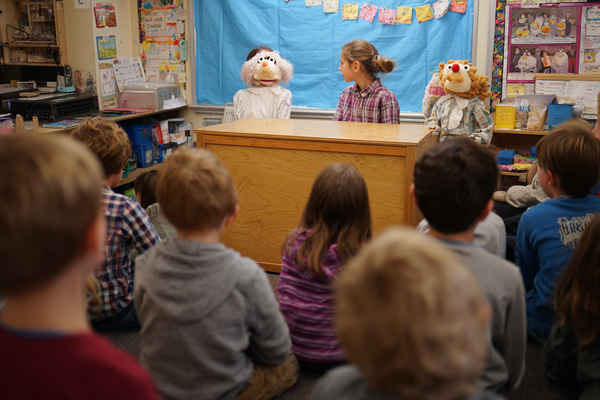
Paid-members only K-2 Lesson Plans Lesson Plan (Grades K–2): Puppet Show Phonics Fun K–2 ELA lesson plan: students build puppets, write short scripts, and perform shows focused on target phonemes like /sh/ or /ch/. Through play, art, and performance, they strengthen phonemic awareness, expression, and teamwork in a joyful literacy experience.
Grade 6 ELA Units Unit Plan 36 (Grade 6 ELA): Publishing Celebration & Reflection Grade 6 publishing unit: students curate polished writing portfolios, refine language for effect, and deliver engaging author talks using visuals and technology to showcase growth, style, and audience awareness.
Paid-members only Grade 6 ELA Units Unit Plan 35 (Grade 6 ELA): Author Study – Style and Craft Grade 6 author study unit: students compare two works by the same author, analyze craft and theme, write a short imitation using the author’s style, and present insights in a brief, organized author talk.
Paid-members only Grade 6 ELA Units Unit Plan 34 (Grade 6 ELA): Revising & Editing for Clarity Grade 6 language and conventions unit: students revise drafts for grammar, punctuation, and style. They correct pronoun errors, punctuate nonrestrictive elements, and improve cohesion through precise edits and purposeful revisions.
Paid-members only Grade 6 ELA Units Unit Plan 33 (Grade 6 ELA): Summarizing & Synthesizing Information Grade 6 informational reading unit: students summarize central ideas, synthesize across texts, and build concise evidence lines—sequenced quotes and paraphrases that clearly prove their analytical claims.
Paid-members only Grade 6 ELA Units Unit Plan 32 (Grade 6 ELA): Writing Informational Reports with Visuals Grade 6 informative writing unit: students craft multi-section reports with clear headings, precise vocabulary, and formal style while designing original graphics and captions to enhance reader understanding.
Paid-members only Grade 6 ELA Units Unit Plan 31 (Grade 6 ELA): Extended Research Project Grade 6 research writing unit: students plan inquiry questions, gather credible sources, take organized notes, and use technology to draft, revise, and publish short evidence-based research projects.
Paid-members only Grade 6 ELA Units Unit Plan 30 (Grade 6 ELA): Reading Science/History Texts with Visuals Grade 6 informational reading unit: students interpret charts, diagrams, and maps, using context clues and word parts to master domain vocabulary. They learn to integrate visuals with text and explain how each adds meaning using precise, evidence-based language.
Paid-members only Grade 6 ELA Units Unit Plan 29 (Grade 6 ELA): Procedural / How-To Explanatory Writing Grade 6 writing unit: students create clear step-by-step how-to texts using precise language, strong transitions, and proper formatting while applying correct pronoun use and conventions for clarity and professionalism.
Paid-members only Grade 6 ELA Units Unit Plan 28 (Grade 6 ELA): Cause & Effect and Explaining Connections Grade 6 informational analysis unit: students trace cause-effect relationships and evaluate arguments in articles and speeches. They learn to identify claims, test evidence for relevance and sufficiency, and write concise, well-reasoned responses that judge the strength of reasoning across sources.
Paid-members only Grade 6 ELA Units Unit Plan 27 (Grade 6 ELA): Synthesizing Across Sources Grade 6 synthesis unit: students integrate ideas from multiple texts and visuals on the same topic to form unified, evidence-based conclusions. They analyze agreements and differences, reconcile conflicting information, and write concise analytical responses that connect data, quotes, and reasoning.
Paid-members only Grade 6 ELA Units Unit Plan 26 (Grade 6 ELA): Author’s Purpose and Point of View (Informational) Grade 6 informational analysis unit: students identify an author’s purpose and point of view, citing evidence to show how content and style shape meaning. They analyze diction, tone, and structure across texts, writing clear CER responses that explain how author choices guide readers.
Paid-members only Grade 6 ELA Units Unit Plan 25 (Grade 6 ELA): Reading Biographies & Timelines Grade 6 biography unit: students trace a person’s life through key events, timelines, and multimedia sources to see how choices create impact. They connect cause and effect, integrate visuals for context, and write concise, objective summaries highlighting turning points and contributions.
Paid-members only Grade 6 ELA Units Unit Plan 24 (Grade 6 ELA): Narrative Pacing, Transitions, and Closure Grade 6 narrative pacing unit: students plan clear event sequences, use pacing to build and release tension, and craft reflective endings that feel earned. They refine transitions, sensory details, and sentence flow to create smooth, purposeful storytelling from start to finish.
Paid-members only Grade 6 ELA Units Unit Plan 23 (Grade 6 ELA): Writing Dialogue & Building Scenes Grade 6 narrative writing unit: students craft vivid scenes using dialogue, action, and interior thoughts to reveal character and build tension. They master dialogue punctuation, pacing, and voice, revising for clarity, precision, and smooth grammar so their writing feels real and immediate.
Paid-members only Grade 6 ELA Units Unit Plan 22 (Grade 6 ELA): Poetry, Drama, and Prose Structures Grade 6 structure and media unit: students explore how poetry, drama, and prose use structural elements to shape meaning. They analyze line breaks, scenes, and chapters, then compare how reading differs from viewing performances to see how visuals and sound transform interpretation.
Paid-members only Grade 6 ELA Units Unit Plan 21 (Grade 6 ELA): Tone, Connotation, and Precise Language Grade 6 tone and style unit: students analyze how connotation, word choice, and sentence patterns shape tone and meaning. They compare shades of meaning, revise sentences for effect, and write tone analyses linking diction and syntax to author style.
Paid-members only Grade 6 ELA Units Unit Plan 20 (Grade 6 ELA): Comparing Texts by the Same Author Grade 6 author study unit: students compare two works by the same author to find recurring themes, settings, and plot patterns. They analyze how craft choices shape meaning, discuss insights with peers, and write organized, evidence-based comparisons.
Paid-members only Grade 6 ELA Units Unit Plan 19 (Grade 6 ELA): Finding and Tracking Theme Grade 6 theme unit: students determine a story’s theme, trace how it develops through character choices and events, and write evidence-based summaries. They practice citing precise lines and refining theme statements into clear, insightful messages.
Paid-members only Grade 6 ELA Units Unit Plan 18 (Grade 6 ELA): Presenting Findings Clearly Grade 6 presentation unit: students transform research into engaging talks with clear visuals, precise language, and confident delivery. They adapt speech to audience and purpose, use technology to design slides, and present findings with clarity and professionalism.
Paid-members only Grade 6 ELA Units Unit Plan 17 (Grade 6 ELA): Explanatory Writing with Graphics & Citations Grade 6 informative writing unit: students craft multi-paragraph articles with clear theses, organized sections, and integrated charts or diagrams. They analyze visuals, use domain vocabulary, cite sources, and conclude effectively.
Paid-members only Grade 6 ELA Units Unit Plan 16 (Grade 6 ELA): Mini-Research – Reading Across Sources Grade 6 research unit: students craft focused questions, evaluate credible sources, take organized notes, and synthesize ideas across texts. They use tech tools to cite, draft, and publish a clear, well-supported mini-report.
Paid-members only Grade 6 ELA Units Unit Plan 15 (Grade 6 ELA): Performance Reading & Speaking Grade 6 performance unit: students build prosody and presentation skills by performing poems or scenes with multimedia. They compare reading to live performance and analyze how voice, visuals, and pacing shape meaning.