Unit Plan 25 (Grade 1 Counselor): Including Others
Teach Grade 1 inclusion with kind invitations, sharing, turn-taking, cooperation, and choices that help classmates feel welcome and belong.

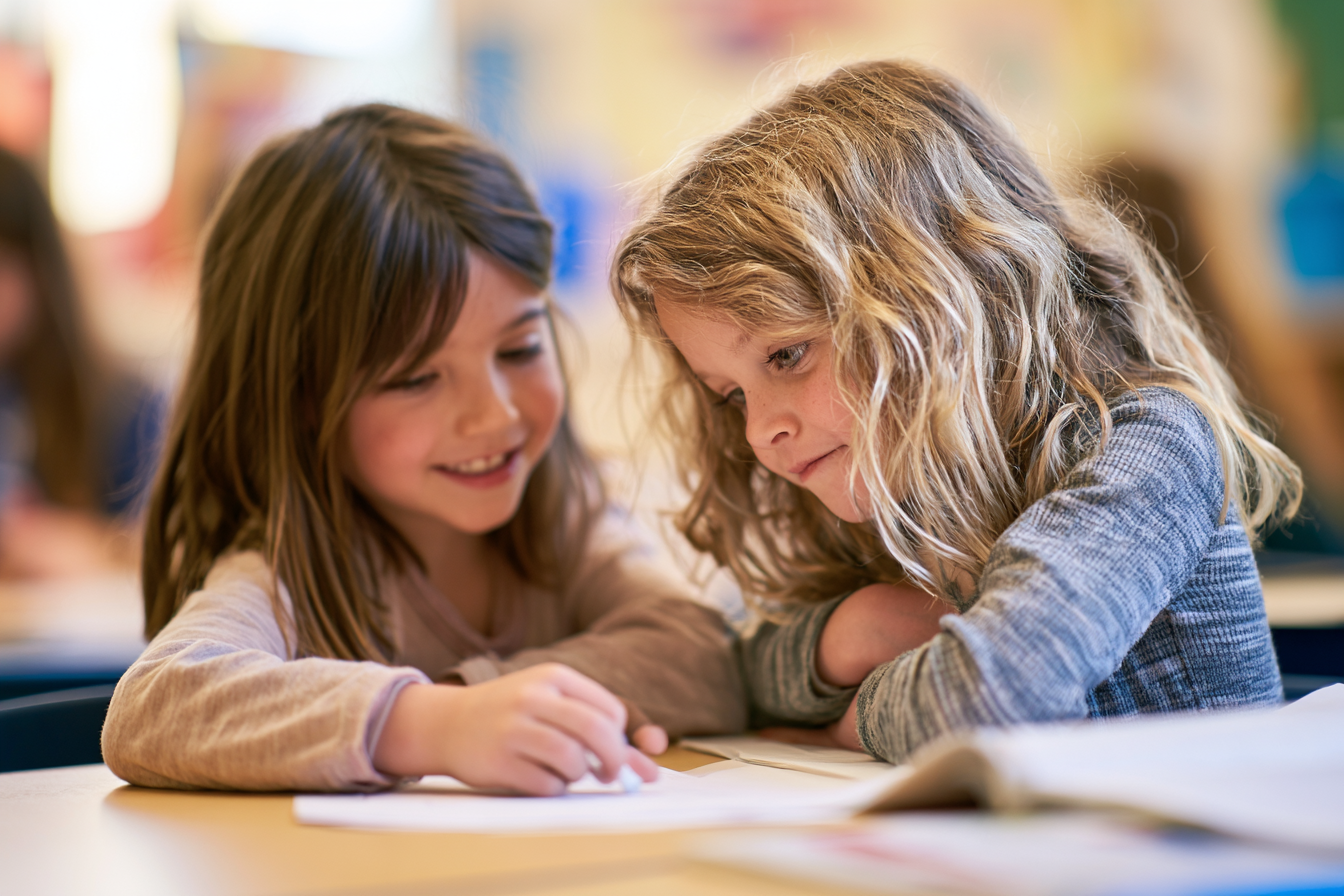
Focus: Help students understand what it feels like to be included or left out. The counselor uses a read-aloud or puppet scenario where a student is excluded from a game. Students brainstorm inclusive choices such as inviting someone, making room, sharing materials, changing the game so more people can join, or noticing when someone needs a friend.
Grade Level: 1
Subject Area: School Counseling (Belonging • Kindness • Cooperation)
Total Unit Duration: 1–2 weeks, 30 minutes per session
I. Introduction
This Grade 1 counseling lesson helps students understand that everyone wants to feel like they belong. Students learn that being included can help classmates feel safe, welcome, happy, respected, and cared for. They also learn that being left out can feel sad, lonely, embarrassing, frustrating, or confusing.
The counselor uses a read-aloud, puppet scenario, picture cards, or recess examples to help students notice when someone may need a friend. Students brainstorm ways to include others, such as inviting someone to play, making room in a group, sharing materials, taking turns, changing a game so more people can join, or asking a classmate if they want to help. The goal is for students to see inclusion as a kind action that helps build a welcoming classroom and school community.
Essential Questions
- What does it feel like to be included?
- What might it feel like to be left out?
- How can students notice when someone may need a friend?
- What kind words and actions can help classmates feel included?
- How can sharing, taking turns, and cooperating help everyone belong?
II. Objectives and Standards
Learning Objectives — Students will be able to:
- Explain what it means to include someone during play, group work, or classroom activities.
- Identify feelings connected to being included or left out.
- Name kind words and actions that help classmates feel welcome.
- Practice inclusive phrases such as “You can play with us,” “Do you want to join?” and “We can make room.”
- Identify ways to share materials, take turns, wait appropriately, and cooperate during activities.
- Explain how students can help create a kind, safe, and welcoming classroom community.
- (Optional Session) Apply inclusion skills through a read-aloud response, puppet scenario, invitation practice, cooperative game, or inclusive-choice sort.
Standards Alignment — Grade 1 (ASCA-based Custom)
- C:S1.1c — Show Belonging in the Classroom and School
- Recognize that they are an important member of the class and can help create a kind, safe, welcoming community.
- Example: A student names one way they can help classmates feel included during group work or play.
- C:S3.1a — Use Kind Words and Actions
- Demonstrate kindness through helpful words, friendly invitations, encouragement, and respectful behavior.
- Example: A student says, “You can play with us,” when noticing a classmate standing alone.
- C:S3.1b — Share, Take Turns, and Cooperate
- Practice sharing materials, taking turns, waiting appropriately, and working with classmates during activities.
- Example: A student waits for a turn during a classroom game and says, “You can go first.”
Success Criteria — Student Language
- I can explain what it means to include someone.
- I can notice when someone may feel left out.
- I can use kind words to invite someone.
- I can share, take turns, and cooperate.
- I can help my classroom feel safe and welcoming.
- I can remember that every classmate belongs.