Unit Plan 16 (Grade 1 Library): Beginning, Middle, End Retelling
Help Grade 1 students retell stories with beginning, middle, and end using pictures, oral sequencing, drawing, and discussion.

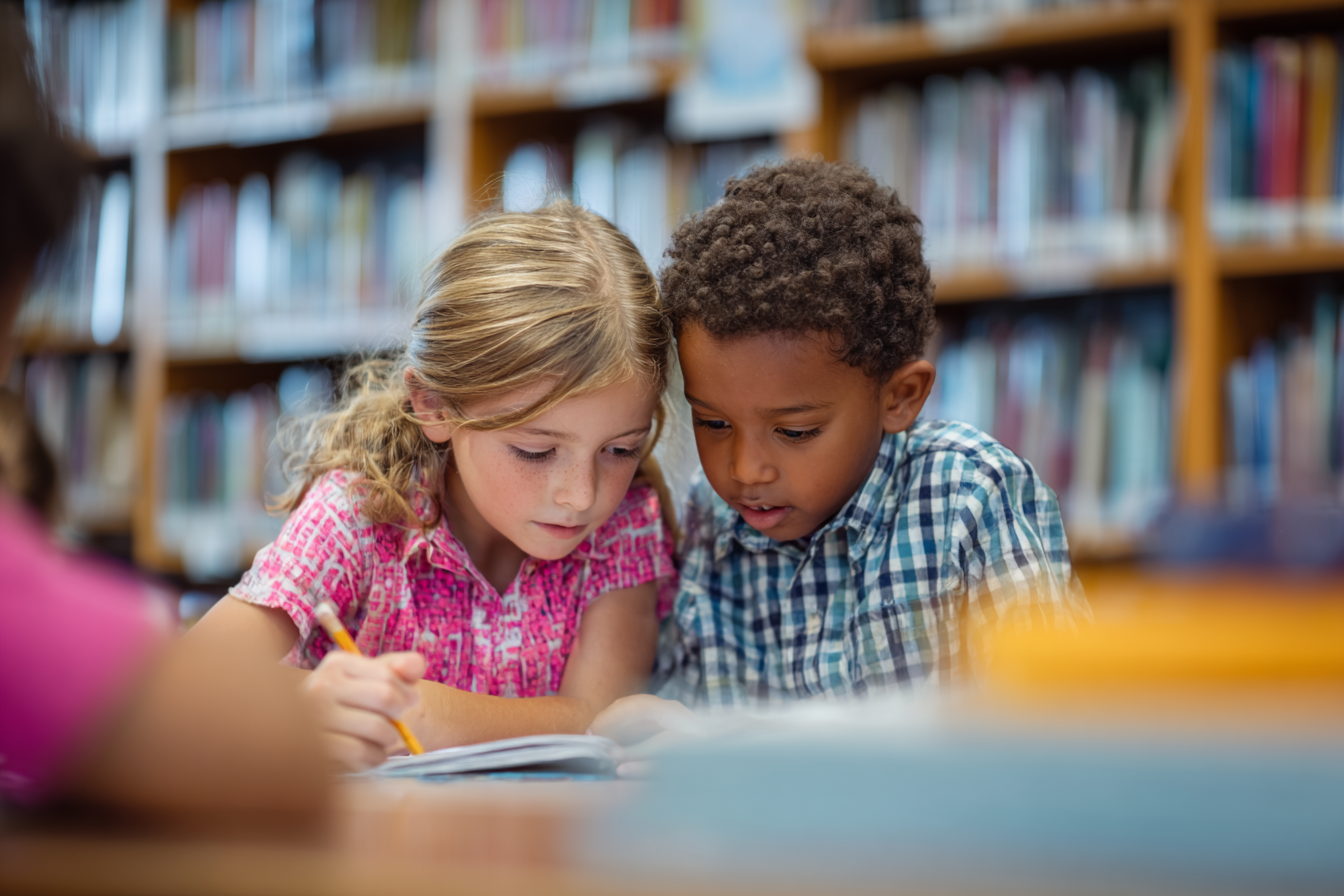
Focus: Help Grade 1 students organize a story into simple sequence parts by identifying the beginning, middle, and end. Students practice retelling familiar stories through pictures, oral sequencing, drawing, and shared discussion, using visual support to move beyond naming favorite parts toward more structured story understanding.
Grade Level: 1
Subject Area: Library (Story Comprehension • Discussion • Retelling/Response)
Total Unit Duration: 1–3 weeks, 50–60 minutes per session
I. Introduction
This unit helps Grade 1 students strengthen story comprehension by learning how to organize what happened in a text into the beginning, middle, and end. At this age, many students can already talk about favorite parts of a story, but they benefit from explicit support when learning to sequence important events in order. Through familiar read-alouds, sequencing pictures, oral practice, and simple drawings, students learn that retelling means remembering the main parts of a story and putting them in a meaningful order. This supports stronger listening, speaking, and early comprehension skills in a way that fits naturally into Grade 1 library learning.
Essential Questions
- How can I tell what happened at the beginning, middle, and end of a story?
- How does retelling help me show what I understand about a book?
- How can pictures, oral talk, and drawings help me retell a story in order?
- How can sharing story ideas with others help the class learn together?
II. Objectives and Standards
Learning Objectives — Students will be able to:
- Identify the beginning, middle, and end of a familiar story.
- Retell a story in simple sequence using oral language, pictures, or drawings.
- Participate in group conversations and shared story responses in ways that support class learning.
- Create or share a response that shows understanding of a story.
- Share observations, predictions, and simple connections related to a story and its events.
- (Optional Sessions) Strengthen retelling through repeated sequencing practice, visual supports, and more independent oral or drawn responses.
Standards Alignment — 1st Grade (AASL-based Custom)
- L:S3.1c — Participate in group conversations and shared story responses in ways that support the learning of the class.
- Example: A student adds one idea to a class discussion about a story’s main event.
- L:S5.1c — Create or share a response that shows understanding of a story, topic, or question.
- Example: A student makes a simple poster, drawing, retelling, or oral explanation after learning about a topic.
- L:S1.1c — Share observations, predictions, and simple connections to stories, topics, and prior experiences.
- Example: A student says, “I think the character feels nervous because I felt that way on the first day of school too.”
Success Criteria — Student Language
- I can tell what happened at the beginning, middle, and end of a story.
- I can retell a story in order using talk, pictures, or drawing.
- I can share one story idea that helps the class learn together.
- I can show my understanding with a retelling or simple response.
- I can make a simple observation, prediction, or connection about the story.