Unit Plan 22 (Grade 1 Library): Drawing, Making, and Writing to Show Understanding
Help Grade 1 students show story or topic understanding through drawing, labeling, writing, building, play, and talk while explaining their ideas clearly.

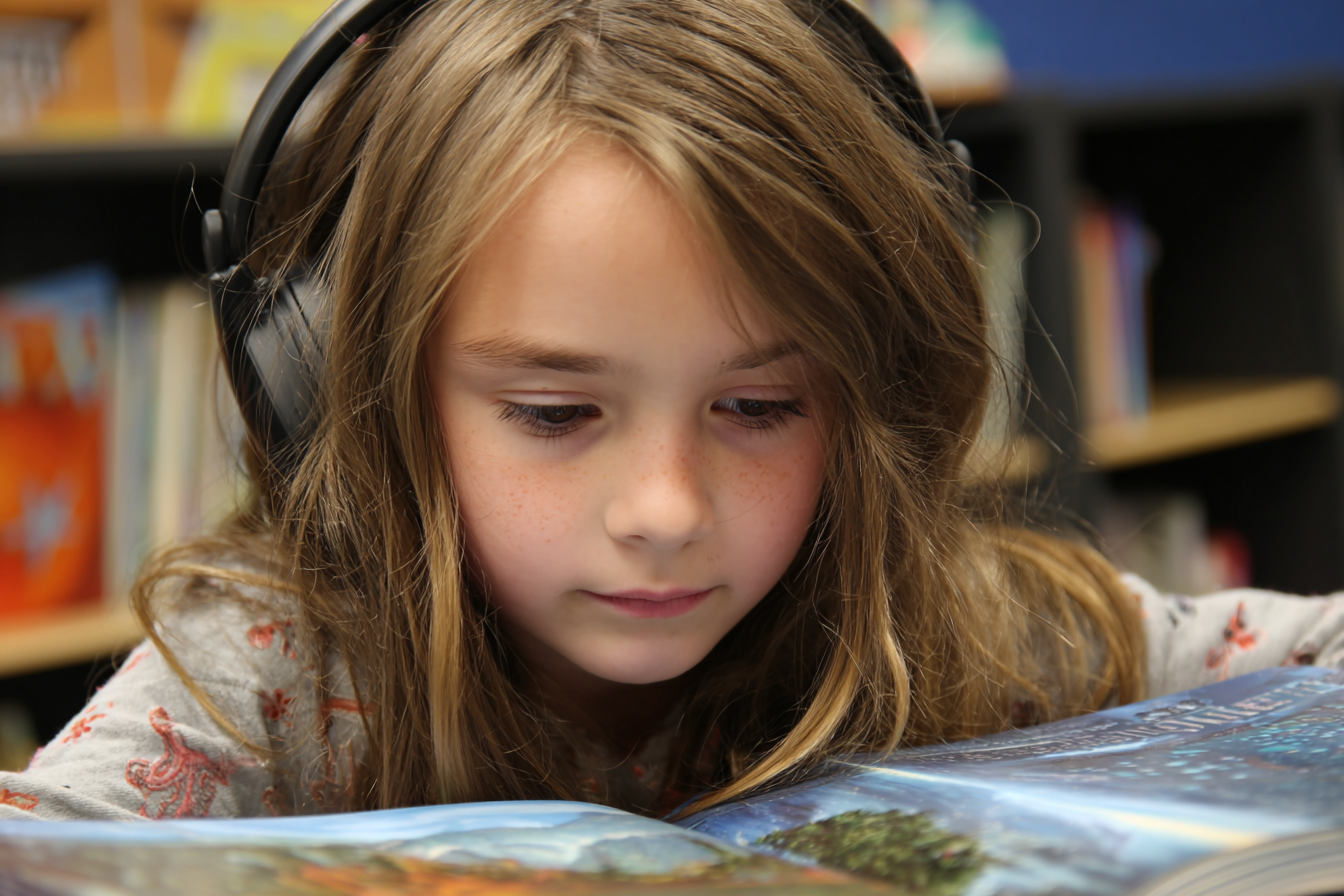
Focus: Help Grade 1 students respond to stories and informational topics through drawing, labeled pictures, simple writing, building, play, and talk. Students practice showing what they understood about a setting, key event, favorite fact, character, or topic using more than one mode of expression.
Grade Level: 1
Subject Area: Library (Response/Expression • Comprehension • Communication)
Total Unit Duration: 1–3 weeks, 50–60 minutes per session
I. Introduction
This unit helps Grade 1 students understand that they can show their thinking in many different ways. After listening to a story or learning about a topic, students may draw an important scene, label a picture, build something from the text, act out an idea, or write a simple response. At this age, many students are beginning to communicate understanding through more than spoken language alone, and making becomes an important tool for comprehension. This unit gives students structured opportunities to explore ideas from library lessons through art, writing, building, movement, and talk while strengthening their ability to explain what they noticed, understood, or connected to.
Essential Questions
- How can I show what I understand about a story or topic in more than one way?
- How do drawing, making, writing, and talk help me think more deeply?
- What can I choose to show, such as the setting, a key event, a favorite fact, or a character trait?
- How can I explain my response so others understand my thinking?
II. Objectives and Standards
Learning Objectives — Students will be able to:
- Use reading, talk, art, play, writing, building, or movement to explore and respond to ideas from library lessons.
- Create or share a response that shows understanding of a story, topic, or question.
- Draw, label, build, or write about an important part of a story or informational topic.
- Share observations, predictions, and simple connections to stories, topics, and prior experiences.
- Explain in simple language what their response shows and why they chose it.
- (Optional Sessions) Strengthen response skills by trying different formats and reflecting on how each one helps show understanding.
Standards Alignment — 1st Grade (AASL-based Custom)
- L:S5.1a — Use reading, talk, art, play, writing, building, or movement to explore and respond to ideas from library lessons.
- Example: A student draws or builds a favorite scene from a story and explains it.
- L:S5.1c — Create or share a response that shows understanding of a story, topic, or question.
- Example: A student makes a simple poster, drawing, retelling, or oral explanation after learning about a topic.
- L:S1.1c — Share observations, predictions, and simple connections to stories, topics, and prior experiences.
- Example: A student says, “I think the character feels nervous because I felt that way on the first day of school too.”
Success Criteria — Student Language
- I can show what I understand by drawing, making, writing, talking, or building.
- I can choose an important part of a story or topic to show.
- I can make a response that helps others understand my thinking.
- I can share an observation, prediction, or connection about what I read or learned.
- I can explain what my drawing, building, or writing shows.