Unit Plan 24 (Grade 1 Library): Learning About the Real World Through Books
Grade 1 library unit helping students explore real-world topics through nonfiction books, pictures, text features, discussion, and simple responses.

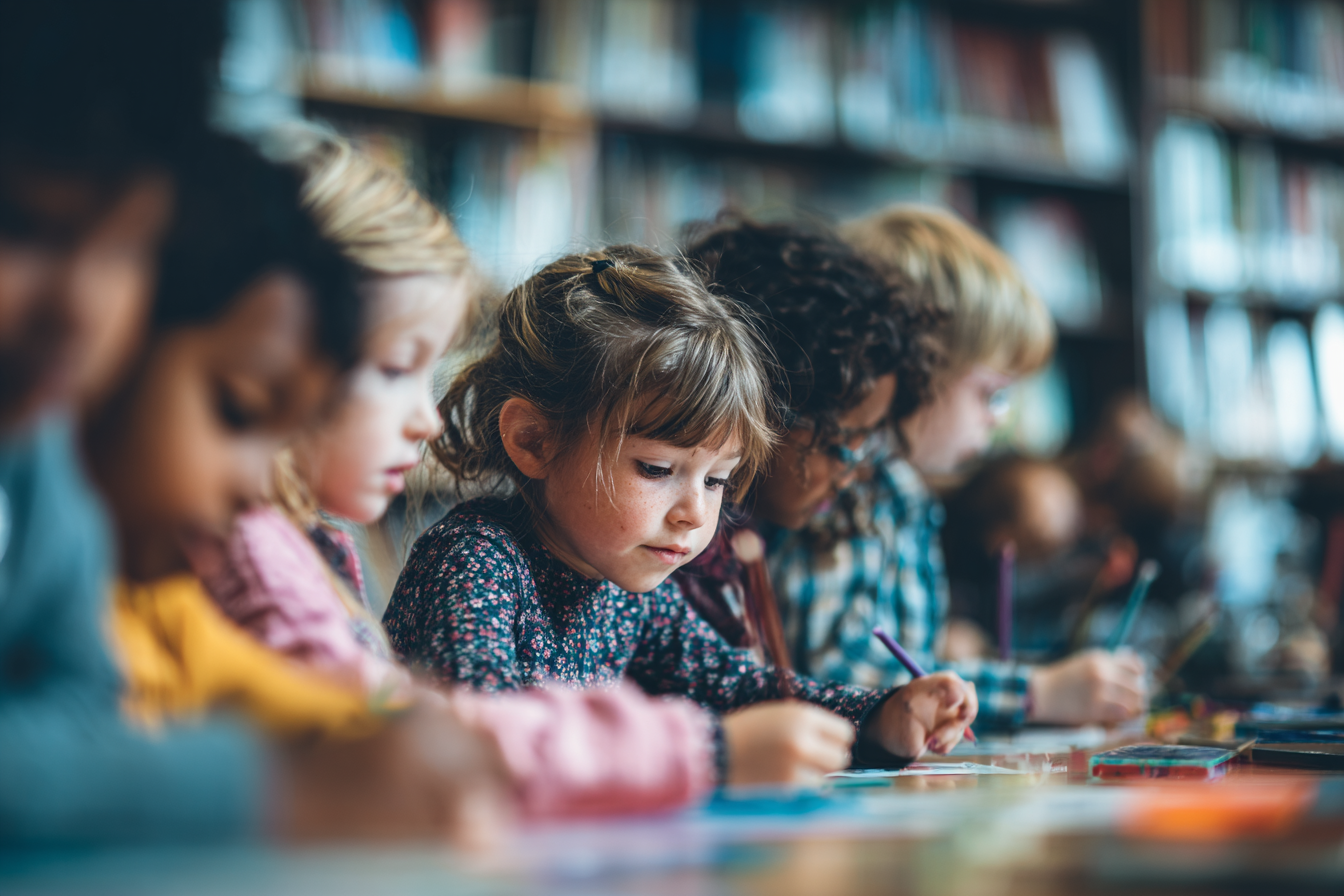
Focus: Help Grade 1 students see the library as a place to learn about real-world topics through books, pictures, and simple informational materials. Students explore a high-interest topic such as weather, habitats, space, or community helpers, notice facts and details, compare what different books show, and build understanding through discussion and simple responses.
Grade Level: 1
Subject Area: Library (Inquiry • Informational Texts • Real-World Learning)
Total Unit Duration: 1–3 weeks, 50–60 minutes per session
I. Introduction
This unit helps Grade 1 students understand that library is not only a place for stories, but also a place to learn about the real world. Using a small set of informational books and visual materials on a high-interest topic, the librarian guides students in listening, looking closely, and talking about what they discover. Students learn that different books on the same topic may show different facts, pictures, or details, and that those sources can work together to build understanding. This kind of real-world topic study is highly realistic for Grade 1 because school libraries often support early science and social studies learning through engaging nonfiction and topic-based browsing.
Essential Questions
- How can books help us learn about the real world?
- What can pictures, labels, and other book clues teach us about a topic?
- How can different books help us learn different things about the same topic?
- How can trying new books or tools help me learn more about the world?
II. Objectives and Standards
Learning Objectives — Students will be able to:
- Use read-alouds, pictures, simple text features, and conversation to begin finding information and building understanding about a real-world topic.
- Listen to stories and information about different people, places, cultures, traditions, and experiences connected to real-world learning.
- Notice one or more facts, details, or pictures that help explain a topic.
- Compare what two or more books show about the same topic in simple ways.
- Try new books, formats, tools, and media with curiosity and willingness to learn.
- (Optional Sessions) Strengthen topic-study habits through repeated comparison, picture-based inquiry, and simple response work using more than one source.
Standards Alignment — 1st Grade (AASL-based Custom)
- L:S1.1b — Use read-alouds, pictures, simple text features, and conversation to begin finding information or building understanding.
- Example: A student uses labels and photographs in an informational book to learn about plants.
- L:S2.1a — Listen to stories and information about different people, places, cultures, traditions, and experiences.
- Example: A student listens to a folktale from another part of the world and notices how it is similar to a story they already know.
- L:S5.1b — Try new books, formats, tools, and media with curiosity and a willingness to learn.
- Example: A student uses a listening center, e-book, or photo database for the first time.
Success Criteria — Student Language
- I can use books and pictures to learn about a real-world topic.
- I can notice facts, details, or pictures that help me understand more.
- I can listen to information about people, places, and the world around me.
- I can talk about what one book showed and what another book showed.
- I can try new nonfiction books or learning tools with curiosity.