Unit Plan 26 (Grade 1 Library): Retelling with Props, Sequencing, and Performance
Grade 1 library unit helping students deepen story comprehension through puppets, props, sequencing cards, performance, and partner retelling.

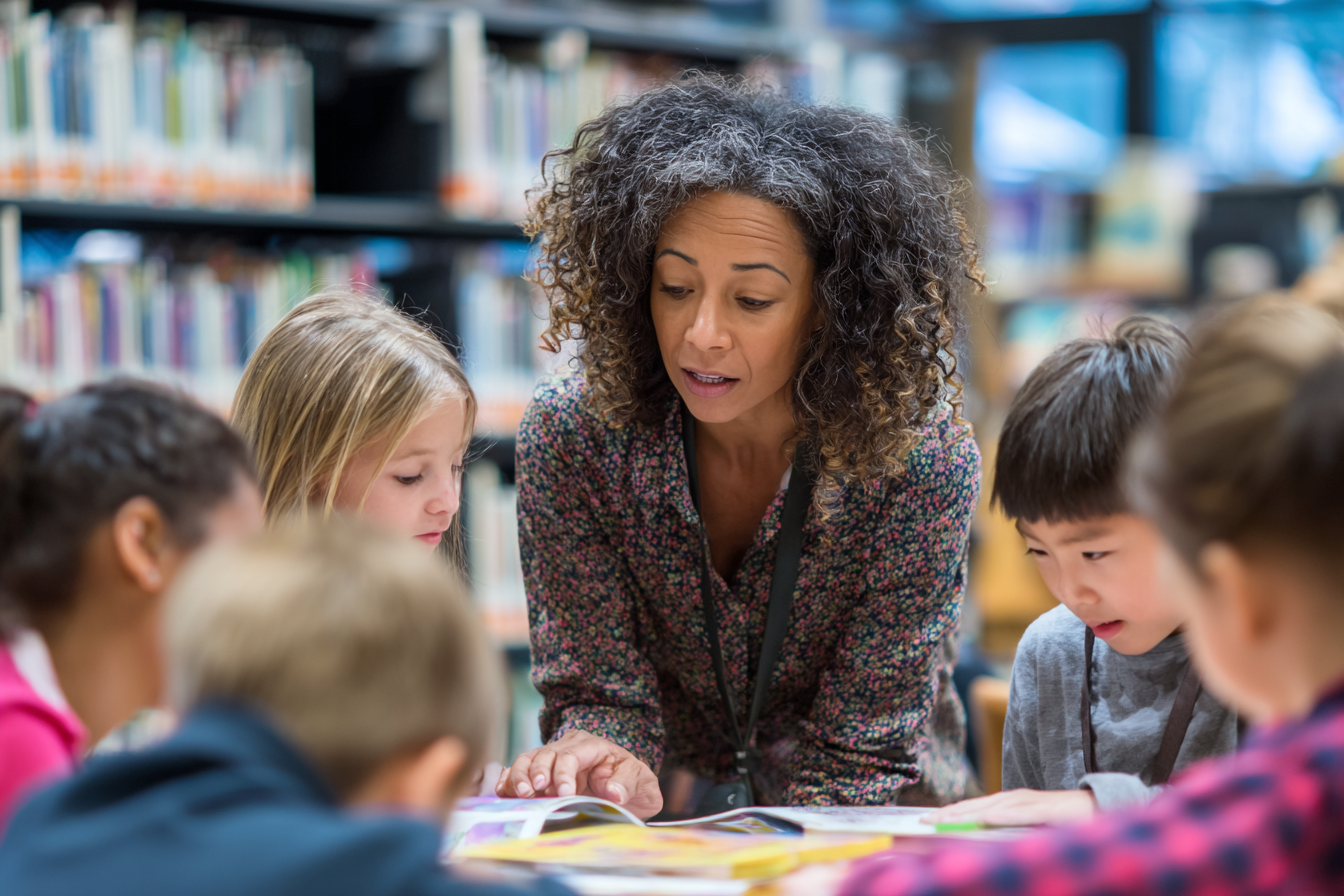
Focus: Deepen Grade 1 students’ story comprehension through retelling tools such as puppets, felt pieces, sequencing cards, props, and simple performances. Students practice retelling in order, highlighting main events, and explaining character actions while working with partners or small groups.
Grade Level: 1
Subject Area: Library (Story Comprehension • Collaboration • Performance/Response)
Total Unit Duration: 1–3 weeks, 50–60 minutes per session
I. Introduction
This unit helps Grade 1 students strengthen comprehension by moving beyond listening to a story and into showing what happened through retelling. At this point in the year, many first graders are ready for richer story retells that include sequence, major events, and simple thinking about what characters did and why. Using puppets, felt-board pieces, sequencing cards, props, and short performances, students practice putting events in order and sharing story understanding in active, engaging ways. This is a strong fit for Grade 1 library because performance-based retelling helps students combine oral language, sequencing, cooperation, and comprehension in one meaningful task.
Essential Questions
- How can props, puppets, sequencing cards, and performance help me retell a story?
- How do I know which events are the main events in a story?
- How can I retell a story in the right order?
- How can I work with a partner or group to create a clear and respectful retelling?
II. Objectives and Standards
Learning Objectives — Students will be able to:
- Work with a partner or small group during retelling and other shared library tasks.
- Take turns, share materials, and contribute ideas during retelling activities.
- Retell a story in order using props, sequencing cards, puppets, felt pieces, or simple performance.
- Highlight important story events instead of only naming a favorite part.
- Explain a simple character action or event during a retelling.
- Create or share a response that shows understanding of a story through oral, dramatic, or visual retelling.
- (Optional Sessions) Strengthen retelling through more detailed sequencing, richer partner work, and simple performance choices.
Standards Alignment — 1st Grade (AASL-based Custom)
- L:S3.1a — Work with a partner or small group during retelling, sorting, discussion, or simple information tasks.
- Example: Two students work together to sort books into fiction and nonfiction baskets.
- L:S3.1b — Take turns, share materials, and contribute ideas during library learning activities.
- Example: A student shares puppets and props fairly during a retelling activity.
- L:S5.1c — Create or share a response that shows understanding of a story, topic, or question.
- Example: A student makes a simple poster, drawing, retelling, or oral explanation after learning about a topic.
Success Criteria — Student Language
- I can retell a story with props, puppets, cards, or performance.
- I can tell the story in the right order.
- I can work with a partner or group during a retelling task.
- I can take turns and share materials fairly.
- I can show the important parts of the story, not just one favorite part.
- I can use my retelling to show that I understood the story.