Unit Plan 11 (Grade 1 Library): Stories and Information from Many Places
Expose Grade 1 students to diverse stories and informational texts while building respectful listening, curiosity, and appreciation for many books and voices.

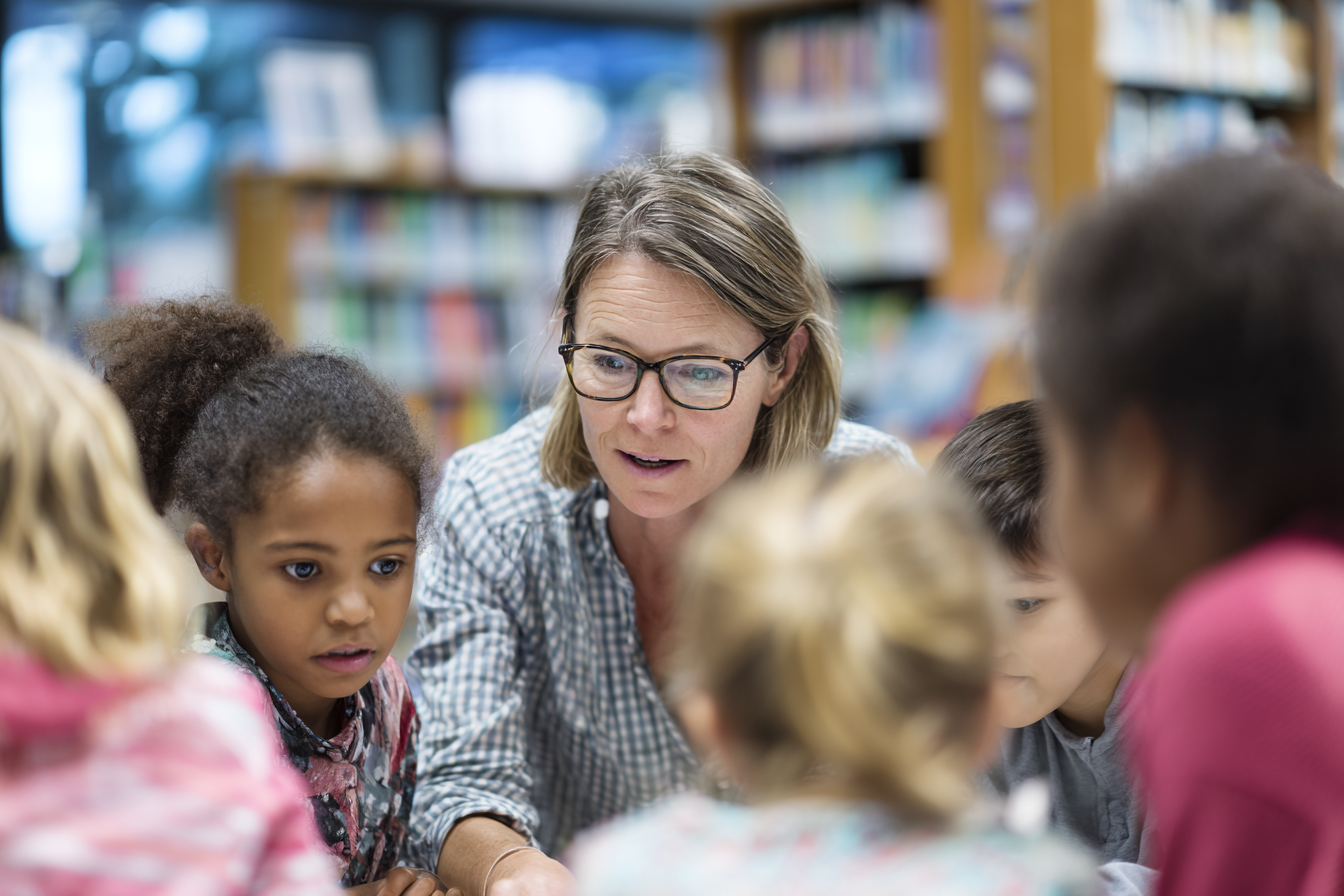
Focus: Expose Grade 1 students to stories and informational texts about different people, cultures, traditions, places, and experiences while helping them become respectful listeners and curious learners. Students practice noticing similarities and differences, listening kindly to others’ ideas, and understanding that many kinds of books, topics, and responses belong in the library.
Grade Level: 1
Subject Area: Library (Listening • Community • Stories/Information)
Total Unit Duration: 1–3 weeks, 50–60 minutes per session
I. Introduction
This unit helps Grade 1 students listen to and think about stories and informational texts from many places. The goal is not to make the material overly complex, but to help young students become more comfortable noticing that people may live, celebrate, speak, eat, travel, work, and tell stories in different ways. Through read-alouds, photo-rich nonfiction, folktales, and supportive discussion, students practice noticing what feels familiar, what feels new, and what they are curious about. The unit also reinforces that respectful listening matters when classmates share different ideas, experiences, or favorite books, and that all readers belong in the library.
Essential Questions
- What can we learn from stories and information from many places?
- How can we notice what is the same and what is different in books about people and places?
- What does respectful listening look and sound like when others share ideas or connections?
- How do we show that all readers and learners belong in the library?
II. Objectives and Standards
Learning Objectives — Students will be able to:
- Listen to stories and information about different people, places, cultures, traditions, and experiences.
- Notice one thing that feels familiar and one thing that feels new in a story or informational text.
- Show respectful listening and kind participation when classmates share ideas, opinions, or experiences.
- Recognize that classmates may choose different books, topics, and responses, and that all of those choices belong in the library.
- Share a simple observation, comparison, or connection during discussion.
- (Optional Sessions) Deepen understanding through paired story and nonfiction reading, simple comparisons, and repeated respectful discussion practice.
Standards Alignment — 1st Grade (AASL-based Custom)
- L:S2.1a — Listen to stories and information about different people, places, cultures, traditions, and experiences.
- Example: A student listens to a folktale from another part of the world and notices how it is similar to a story they already know.
- L:S2.1b — Show respectful listening and kind participation when others share ideas, opinions, or experiences.
- Example: A student waits, listens, and responds politely when a classmate shares a book connection.
- L:S2.1c — Recognize that people may choose different books, topics, and responses, and that all readers and learners belong in the library.
- Example: A student understands that classmates may enjoy different kinds of books and that those choices are all welcome.
Success Criteria — Student Language
- I can listen to stories and information about different people and places.
- I can notice something that is the same and something that is different.
- I can listen kindly when other students are sharing.
- I can understand that classmates may like different books or have different ideas.
- I can share one observation or connection about a story or topic.