Unit Plan 31 (Grade 2 Counselor): Feelings and Coping Review
Review Grade 2 counseling skills with feelings, body clues, coping tools, and trusted adult support through active review games and scenarios.

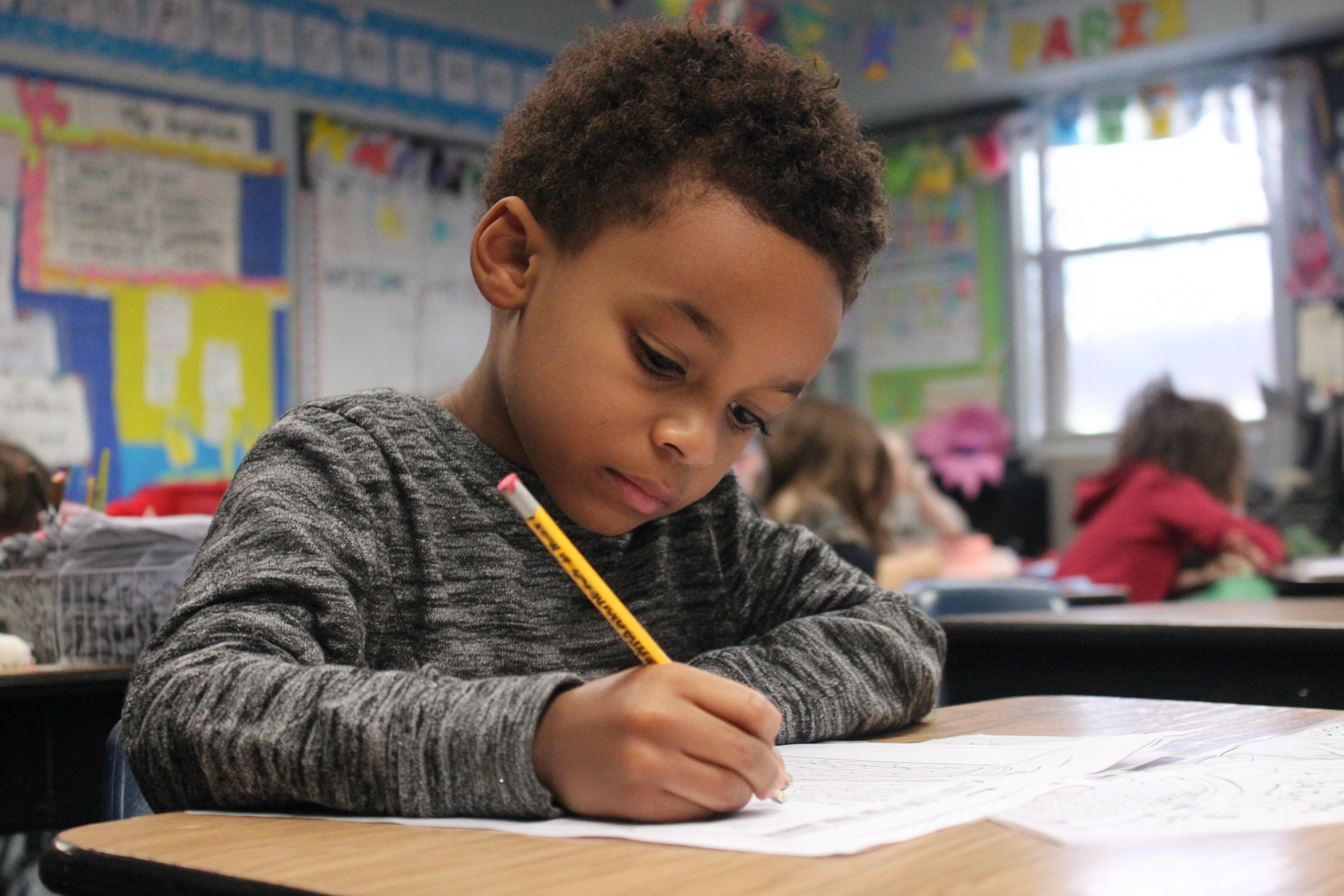
Focus: Review the emotional-regulation skills students learned across the year. Students match emotions to body clues, body clues to coping tools, and scenarios to adult-help choices. The counselor uses a review game, coping toolbox sort, or class movement activity to make the lesson active and memorable.
Grade Level: 2
Subject Area: School Counseling (Feelings • Coping Tools • Help-Seeking)
Total Unit Duration: 1–2 weeks, 30 minutes per session
I. Introduction
This Grade 2 counseling lesson gives students a positive and active review of the feelings and coping skills they have practiced throughout the year. Students revisit emotions such as happy, sad, mad, worried, frustrated, embarrassed, disappointed, excited, jealous, nervous, scared, calm, and proud. They connect these feelings to body clues such as tight stomach, hot face, tears, fast breathing, tight fists, wiggly hands, quiet voice, or wanting to yell.
Students also review coping tools that help them handle strong feelings safely. These may include breathing, counting, positive self-talk, taking a break, drawing, movement, problem-solving, asking for space, or asking for help. The counselor reinforces that students now have a larger toolbox and can choose strategies based on the feeling, situation, and level of support needed.
Essential Questions
- What emotions have students learned to name this year?
- What body clues can show that a feeling is getting stronger?
- What coping tools can help students handle strong feelings safely?
- When should students ask a trusted adult for help?
- How can students choose the right tool for the feeling and situation?
II. Objectives and Standards
Learning Objectives — Students will be able to:
- Identify a range of emotions and connect them to common Grade 2 situations.
- Match emotions to body clues that may show a feeling is becoming strong.
- Choose and practice coping strategies such as breathing, counting, positive self-talk, taking a break, problem-solving, movement, or asking for help.
- Distinguish between feelings students can try a coping tool for and feelings, worries, or problems that need adult support.
- Identify trusted adults who can help when a feeling or problem feels too big.
- (Optional Session) Apply feelings, body clues, coping tools, and help-seeking decisions through a review game, coping toolbox sort, or movement activity.
Standards Alignment — Grade 2 (ASCA-based Custom)
- C:S2.2a — Identify Emotions and Body Clues
- Recognize a range of emotions in themselves and others and describe body clues connected to those feelings.
- Example: A student says, “When I’m nervous, my stomach feels tight and my hands feel wiggly.”
- C:S2.2b — Choose and Practice Coping Strategies
- Use coping tools such as breathing, counting, positive self-talk, taking a break, problem-solving, movement, or asking for help.
- Example: A student chooses to take three slow breaths and say, “I can try again,” after making a mistake.
- C:S2.2c — Know When Feelings Need Adult Support
- Recognize when a feeling, worry, or problem feels too big to handle alone and identify an appropriate trusted adult.
- Example: A student says, “If I keep feeling scared at recess, I can tell my teacher or counselor.”
Success Criteria — Student Language
- I can name feelings and body clues.
- I can choose coping tools for strong feelings.
- I can practice a coping tool safely.
- I can tell when a feeling or problem needs adult help.
- I can name a trusted adult I can talk to.