Unit Plan 36 (Grade 2 Counselor): Grade 2 Counselor Celebration
Celebrate Grade 2 counseling growth with a joyful review of feelings, coping tools, empathy, problem-solving, safety, goals, and responsibility.

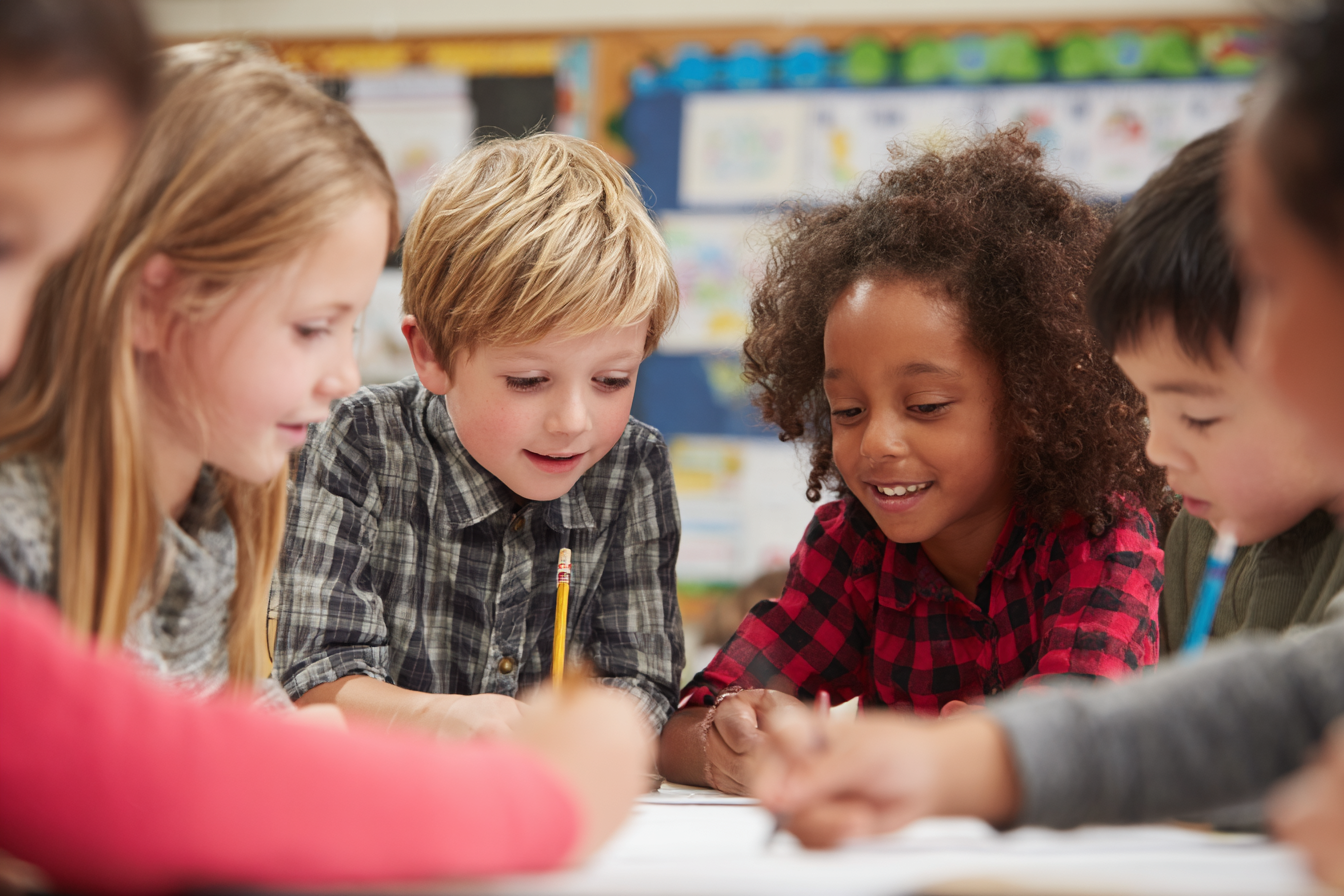
Focus: Celebrate the year’s counseling learning. Students review emotion words, coping strategies, empathy, problem-solving steps, trusted adults, boundaries, goals, and responsible choices through a game, class circle, movement activity, or reflection sheet. The lesson feels joyful while reinforcing that students have tools to manage feelings, solve problems, build friendships, and succeed in school.
Grade Level: 2
Subject Area: School Counseling (Celebration • Reflection • Counseling Skills Review)
Total Unit Duration: 1–2 weeks, 30 minutes per session
I. Introduction
This final Grade 2 counseling lesson celebrates the skills students have practiced throughout the year. Students review how to name feelings, notice body clues, use coping tools, show empathy, include others, solve problems, ask trusted adults for help, respect boundaries, set goals, persevere, and make safe, kind, and responsible choices.
The counselor uses a joyful review format such as a class circle, movement game, team challenge, reflection sheet, counseling-skills bingo, or “toolbox celebration” activity. The goal is for students to leave the year feeling proud of their growth and confident that they have practical tools for handling feelings, solving problems, building friendships, and succeeding in school.
Essential Questions
- What counseling skills have students learned this year?
- How can coping tools help students manage strong feelings?
- How can empathy and kindness help friendships grow?
- What problem-solving steps can students use during conflict?
- How can students use perseverance, goals, and responsible choices in the next grade?
II. Objectives and Standards
Learning Objectives — Students will be able to:
- Review ways their words, actions, and choices can help classmates feel safe, included, and valued.
- Identify and practice coping strategies for strong feelings.
- Choose kind and empathetic responses to peer situations.
- Review problem-solving steps such as stop, calm down, name the problem, think of choices, choose a safe solution, and reflect.
- Identify how perseverance, helpful self-talk, practice, and support help students keep growing.
- Identify safe, respectful, and responsible choices that support learning, safety, and belonging.
- Celebrate one counseling skill they are proud of and one skill they will keep practicing.
Standards Alignment — Grade 2 (ASCA-based Custom)
- C:S1.2c — Contribute to Classroom and School Belonging
- Recognize that their words, actions, and choices can help others feel safe, included, and valued.
- Example: A student invites a classmate to join a group activity and says, “You can work with us.”
- C:S2.2b — Choose and Practice Coping Strategies
- Use coping tools such as breathing, counting, positive self-talk, taking a break, problem-solving, movement, or asking for help.
- Example: A student chooses to take three slow breaths and say, “I can try again,” after making a mistake.
- C:S3.2a — Show Kindness and Empathy
- Use words and actions that show care for others’ feelings and experiences.
- Example: A student notices a classmate looks sad and says, “Are you okay? Do you want to sit with me?”
- C:S4.2b — Use Problem-Solving Steps
- Use steps such as stop, calm down, name the problem, think of choices, choose a safe solution, and reflect on what happened.
- Example: A student says, “The problem is we both want the same book. We could take turns or choose another one.”
- C:S5.2b — Use Perseverance and Growth Mindset
- Keep trying when learning is difficult and use helpful self-talk, practice, or support.
- Example: A student says, “This is hard, but I can try a different strategy.”
- C:S6.2c — Make Safe, Respectful, and Responsible Choices
- Choose actions that support safety, learning, respect, and responsibility in classrooms, hallways, bathrooms, cafeteria, playground, and group settings.
- Example: A student chooses to walk away from unsafe play and tell an adult instead of joining in.
Success Criteria — Student Language
- I can name counseling skills I learned this year.
- I can choose coping tools when feelings become strong.
- I can show kindness and empathy.
- I can use problem-solving steps.
- I can keep trying when something feels hard.
- I can make safe, respectful, and responsible choices.
III. Materials and Resources
Tasks & Tools (counselor prepares/curates)
- Counseling skill cards, such as:
- Name the feeling.
- Notice a body clue.
- Use a coping tool.
- Ask for help.
- Show empathy.
- Include someone.
- Share and take turns.
- Listen respectfully.
- Respect boundaries.
- Use problem-solving steps.
- Make a safe choice.
- Set a goal.
- Try again when something is hard.
- Use kind words.
- Emotion review cards, such as:
- Happy
- Sad
- Mad
- Worried
- Frustrated
- Embarrassed
- Disappointed
- Excited
- Nervous
- Scared
- Calm
- Proud
- Coping tool cards, such as:
- Take three slow breaths.
- Count slowly to ten.
- Say, “I can try again.”
- Take a short break.
- Draw or write.
- Move safely.
- Ask for space.
- Use calm words.
- Use problem-solving steps.
- Ask for help.
- Empathy and friendship cards, such as:
- “Are you okay?”
- “Do you want help?”
- “You can join us.”
- “That sounds hard.”
- “I hear you.”
- “Let’s take turns.”
- “What is your idea?”
- “I’m sorry I ___. I will ___.”
- Problem-solving step cards:
- Stop
- Calm Down
- Name the Problem
- Think of Choices
- Choose a Safe Solution
- Try It
- Reflect
- Responsible choice cards, such as:
- Walk calmly in the hallway.
- Listen to directions.
- Clean up materials.
- Respect personal space.
- Stop when someone says stop.
- Tell an adult when someone could get hurt.
- Help a classmate.
- Ask before touching belongings.
- Follow routines.
- Use respectful words.
- Growth mindset cards, such as:
- “I can try one step.”
- “I can ask for help.”
- “Mistakes help me learn.”
- “I can try a different strategy.”
- “I am still growing.”
- “This is hard, but I can keep practicing.”
- Scenario cards showing realistic Grade 2 review situations, such as:
- A student feels nervous before reading aloud.
- A classmate is sitting alone at lunch.
- Two students both want the same marker.
- A student keeps touching someone’s backpack after being asked to stop.
- A student feels frustrated because math is hard.
- A classmate makes a mistake and looks embarrassed.
- A student sees unsafe play on the playground.
- A group needs to share materials fairly.
- A student feels worried and does not know what to do.
- A student wants to give up on a difficult task.
- Sorting signs or cards labeled:
- “Feelings Tool”
- “Coping Tool”
- “Friendship Skill”
- “Problem-Solving Step”
- “Growth Mindset”
- “Safe Choice”
- “Responsible Choice”
- “Belonging Builder”
- “Skill I Learned → When I Can Use It → How It Helps” organizer.
- Celebration reflection sheet or exit ticket.
- Optional bingo board, movement cards, classroom circle talking piece, team challenge cards, stickers, certificates, or counseling toolbox template.
Preparation
- Prepare a joyful review activity that includes multiple counseling skill areas.
- Create anchor charts:
- “I Have Tools for Big Feelings”
- “I Can Build Friendships with Kindness and Empathy”
- “I Can Stop, Calm, Think, Choose, and Reflect”
- “I Can Make Safe, Kind, and Responsible Choices”
- Prepare a counselor model, such as: “One skill I learned is using calm breathing. I can use it when I feel worried or frustrated. It helps me calm my body and make a safe choice.”
- Remind students that the celebration is about growth, not perfection. Everyone is still learning and practicing.
Common Misconceptions to Surface
- “Celebrating means we are done learning.” → Celebration means noticing growth and carrying tools forward.
- “I have to remember every skill perfectly.” → Students can use charts, cards, adults, and practice to help them remember.
- “Only big skills matter.” → Small choices like listening, breathing, sharing, and using kind words can make a big difference.
- “If I still need help, I did not grow.” → Asking for help is one of the tools students learned.
- “Counseling skills are only for counseling class.” → Students can use these tools in the classroom, cafeteria, hallway, playground, home, and next grade.
Key Terms (highlight in lessons) celebration, growth, counseling skills, feelings, coping tools, empathy, kindness, problem-solving, trusted adult, boundaries, goals, perseverance, safe choice, responsible choice, belonging, reflection, toolbox
IV. Lesson Procedure
(Each session follows: Welcome & Connection → Counselor Activity → Discussion & Practice → Reflection. Timing for a 30-minute counseling lesson.)
Session 1 — Grade 2 Counselor Celebration (Core Session — Addresses All Standards: C:S1.2c, C:S2.2b, C:S3.2a, C:S4.2b, C:S5.2b, C:S6.2c)
- Welcome & Connection (5–6 min)
- Counselor asks:
- “What is one counseling skill you remember from this year?”
- Record student ideas such as feelings, coping tools, empathy, sharing, problem-solving, trusted adults, boundaries, goals, perseverance, and responsible choices.
- Explain that today is a celebration of the tools students have learned and practiced.
- Remind students that these tools can help them in Grade 2, the next grade, friendships, learning, and everyday school situations.
- Counselor asks:
- Counselor Activity (12–15 min)
- Introduce the “Skill I Learned → When I Can Use It → How It Helps” organizer.
- Model one feelings and coping example:
- Skill I learned: taking slow breaths.
- When I can use it: when I feel worried, mad, or frustrated.
- How it helps: it calms my body so I can make a safe choice.
- Model one empathy example:
- Skill I learned: noticing when someone feels left out.
- When I can use it: at recess, lunch, group work, or partner time.
- How it helps: it helps classmates feel included and valued.
- Model one problem-solving example:
- Skill I learned: stop, calm down, name the problem, think of choices, choose, and reflect.
- When I can use it: when two people want the same material or disagree about a game.
- How it helps: it keeps the problem safe and respectful.
- Model one perseverance example:
- Skill I learned: saying, “This is hard, but I can try one step.”
- When I can use it: during hard reading, math, writing, or friendship problems.
- How it helps: it reminds me not to give up.
- Students participate in a celebration review activity. Possible options include:
- Counseling Skills Bingo: Students mark skills when they identify a matching scenario or tool.
- Movement Review Corners: Students move to corners labeled “Coping,” “Friendship,” “Problem-Solving,” “Safety,” and “Growth.”
- Toolbox Sort: Students sort cards into feeling tools, friendship tools, problem-solving tools, goal tools, and safety tools.
- Class Circle Review: Students pass a talking piece and name one tool they can use next year.
- For each scenario or review card, students identify:
- What skill is needed?
- What words or actions could the student use?
- How does this help feelings, friendship, safety, learning, or belonging?
- Is adult help needed?
- What tool could the student carry forward?
- Discussion & Practice (6–7 min)
- Whole-group discussion:
- “Which coping tools help with strong feelings?”
- “How can empathy help classmates feel included?”
- “What problem-solving steps should students remember?”
- “What can students say when school feels hard?”
- “What safe and responsible choices help the whole class?”
- Practice celebration review statements:
- “One tool I learned is ___.”
- “I can use it when ___.”
- “This helps because ___.”
- “One kind choice I can make is ___.”
- “One safe choice I can make is ___.”
- “When something feels hard, I can ___.”
- “If a problem feels too big, I can ask ___.”
- Counselor reinforces that students now have many tools they can use across school settings and relationships.
- Whole-group discussion:
- Reflection (2–3 min)
- Exit reflection prompt:
- “One counseling skill I am proud of learning is ___.”
- “I can use this skill when ___.”
- Exit reflection prompt:
Optional Session 2 — Counseling Toolbox Reflection and Celebration Circle (Extension — Reinforces All Standards)
- Welcome & Connection (4–5 min)
- Quick review: “What are some tools students can carry into the next grade?”
- Students review coping tools, empathy words, problem-solving steps, perseverance statements, responsible choices, and trusted adults.
- Counselor reminds students that counseling tools are useful whenever feelings, friendships, learning, or safety feel challenging.
- Counselor Activity (15–17 min)
- Students complete a Counseling Toolbox Reflection and Celebration Circle activity.
- Students create or complete a toolbox reflection with prompts such as:
- A feeling I can name is ___.
- A coping tool I can use is ___.
- A friendship skill I learned is ___.
- A problem-solving step I remember is ___.
- A safe and responsible choice I can make is ___.
- A growth mindset phrase I can use is ___.
- A trusted adult I can ask for help is ___.
- Students may draw or write tools inside a paper toolbox, backpack, shield, or star.
- Students participate in a celebration circle where they may share one response:
- “I am proud that I can ___.”
- “A tool I will use next year is ___.”
- “I can help my class by ___.”
- “When I feel ___, I can ___.”
- Counselor supports students in celebrating growth while keeping sharing optional and comfortable.
- Discussion & Practice (6–7 min)
- Counselor leads a debrief:
- “Which counseling tools help students manage feelings?”
- “Which tools help students solve problems?”
- “Which tools help students build friendships?”
- “Which tools help students succeed in school?”
- Students practice matching skills to future situations:
- Feeling worried → use breathing, self-talk, or ask for help.
- Feeling angry → count, take space, use calm words, or ask an adult.
- Friendship problem → stop, calm, name the problem, think of choices, and choose a safe solution.
- Someone feels left out → invite, encourage, offer a role, or listen.
- School feels hard → use perseverance, try one step, practice, or ask for support.
- Unsafe choice → walk away and tell a trusted adult.
- Counselor reinforces that these tools help students be safe, kind, responsible, and ready for the next grade.
- Counselor leads a debrief:
- Reflection (2–3 min)
- Final reflection prompt:
- “I am proud that I learned ___.”
- “Next year, I will keep practicing ___.”
- Final reflection prompt:
V. Differentiation and Accommodations
Advanced Learners
- Invite students to explain how one counseling skill can help in more than one situation.
- Encourage students to create their own review scenario and match it to a tool, phrase, or strategy.
- Ask students to explain how a coping, friendship, or problem-solving tool could help them in the next grade.
Targeted Support
- Provide visual cards for skills, feelings, coping tools, problem-solving steps, and responsible choices.
- Use fewer review categories at first, such as feelings, friendship, problem-solving, safety, and growth.
- Provide sentence frames such as:
- “I learned ___.”
- “I can use ___ when ___.”
- “This helps by ___.”
- “I am proud of ___.”
- Allow students to choose from prepared skill cards instead of generating responses independently.
Multilingual Learners
- Provide visual and bilingual supports for key terms such as feel, help, friend, safe, kind, goal, try, and calm.
- Allow students to draw, point, or rehearse with a partner before sharing.
- Use icons for feelings, coping tools, friendship, problem-solving, safety, and growth mindset.
- Provide simple speaking stems:
- “I learned ___.”
- “I can help.”
- “I can breathe.”
- “I can try.”
IEP/504 & Accessibility
- Provide a simplified celebration reflection sheet with icons, checkboxes, and short sentence stems.
- Allow students to respond by drawing, circling, matching, pointing, dictating, or speaking.
- Provide extra processing time during review games and reflection.
- Allow students to participate as card sorter, movement leader, observer, speaker, listener, or toolbox designer.
- Make sharing optional and allow students to share privately with the counselor if preferred.
VI. Assessment and Evaluation
Formative Checks (each session)
- Session 1 — Review game, sorting, and discussion responses show students can identify counseling skills and explain when to use them.
- Optional Session 2 — Counseling toolbox reflections and celebration circle responses show students can name tools for feelings, friendships, problem-solving, safety, growth, and school success.
Summative — Grade 2 Counselor Celebration Task (0–2 per criterion, total 12)
- Classroom and School Belonging (C:S1.2c)
- 2: Student identifies words, actions, or choices that help others feel safe, included, and valued.
- 1: Student names a belonging-building action with some support.
- 0: Student struggles to identify actions that support belonging.
- Coping Strategies (C:S2.2b)
- 2: Student chooses or practices a coping tool such as breathing, counting, self-talk, taking a break, movement, problem-solving, or asking for help.
- 1: Student names a coping tool with support or limited explanation.
- 0: Student struggles to identify a coping tool.
- Kindness and Empathy (C:S3.2a)
- 2: Student identifies how someone may feel and chooses words or actions that show care.
- 1: Student identifies a feeling or kind response with support.
- 0: Student struggles to identify empathy or caring responses.
- Problem-Solving Steps (C:S4.2b)
- 2: Student identifies or uses steps such as stop, calm down, name the problem, think of choices, choose a safe solution, and reflect.
- 1: Student identifies some problem-solving steps with support.
- 0: Student struggles to identify problem-solving steps.
- Perseverance and Growth Mindset (C:S5.2b)
- 2: Student identifies helpful self-talk, practice, support, or strategy use for continuing when something feels hard.
- 1: Student names trying again or practice but gives limited explanation.
- 0: Student struggles to connect perseverance to growth.
- Safe, Respectful, and Responsible Choices (C:S6.2c)
- 2: Student identifies choices that support safety, learning, respect, and responsibility in school settings.
- 1: Student identifies a safe or responsible choice with support.
- 0: Student struggles to identify safe, respectful, or responsible choices.
Feedback Protocol (TAG)
- Tell one strength (e.g., “You named a counseling tool and explained when you can use it.”).
- Ask one question (e.g., “How will this tool help you in the next grade?”).
- Give one suggestion (e.g., “Try adding one trusted adult or coping tool you can use if a problem feels too big.”).
VII. Reflection and Extension
Reflection Prompts
- What is one counseling skill students learned this year?
- What is one coping tool students can use when feelings become strong?
- What is one friendship skill that helps classmates feel included?
- What is one problem-solving step students should remember?
- What is one safe, kind, or responsible choice students can carry into the next grade?
Extensions
- Counseling Toolbox: Students create a toolbox, backpack, or shield showing tools for feelings, friendships, problem-solving, safety, and growth.
- Celebration Circle: Students share one skill they are proud of and one skill they will keep practicing.
- Skills Review Game: Students play bingo, sorting games, or movement corners to review counseling tools from the year.
Standards Trace — When Each Standard Is Addressed
- C:S1.2c — Session 1 (reviewing choices that build classroom belonging), Optional Session 2 (toolbox reflection and celebration circle focused on helping others feel safe, included, and valued).
- C:S2.2b — Session 1 (reviewing and practicing coping strategies), Optional Session 2 (toolbox reflection naming coping tools for strong feelings).
- C:S3.2a — Session 1 (reviewing empathy and kind responses), Optional Session 2 (future-situation matching for friendship and inclusion tools).
- C:S4.2b — Session 1 (reviewing problem-solving steps through game or sorting activity), Optional Session 2 (toolbox reflection naming a problem-solving step).
- C:S5.2b — Session 1 (reviewing perseverance and helpful self-talk), Optional Session 2 (celebration reflection focused on continuing to practice and grow).
- C:S6.2c — Session 1 (reviewing safe, respectful, and responsible choices), Optional Session 2 (future-situation matching for safety and school success choices).