Unit Plan 5 (Grade 2 Library): Asking Good Questions
Grade 2 library unit on asking questions before, during, and after reading, using pictures, headings, labels, and captions to build understanding and stronger responses.

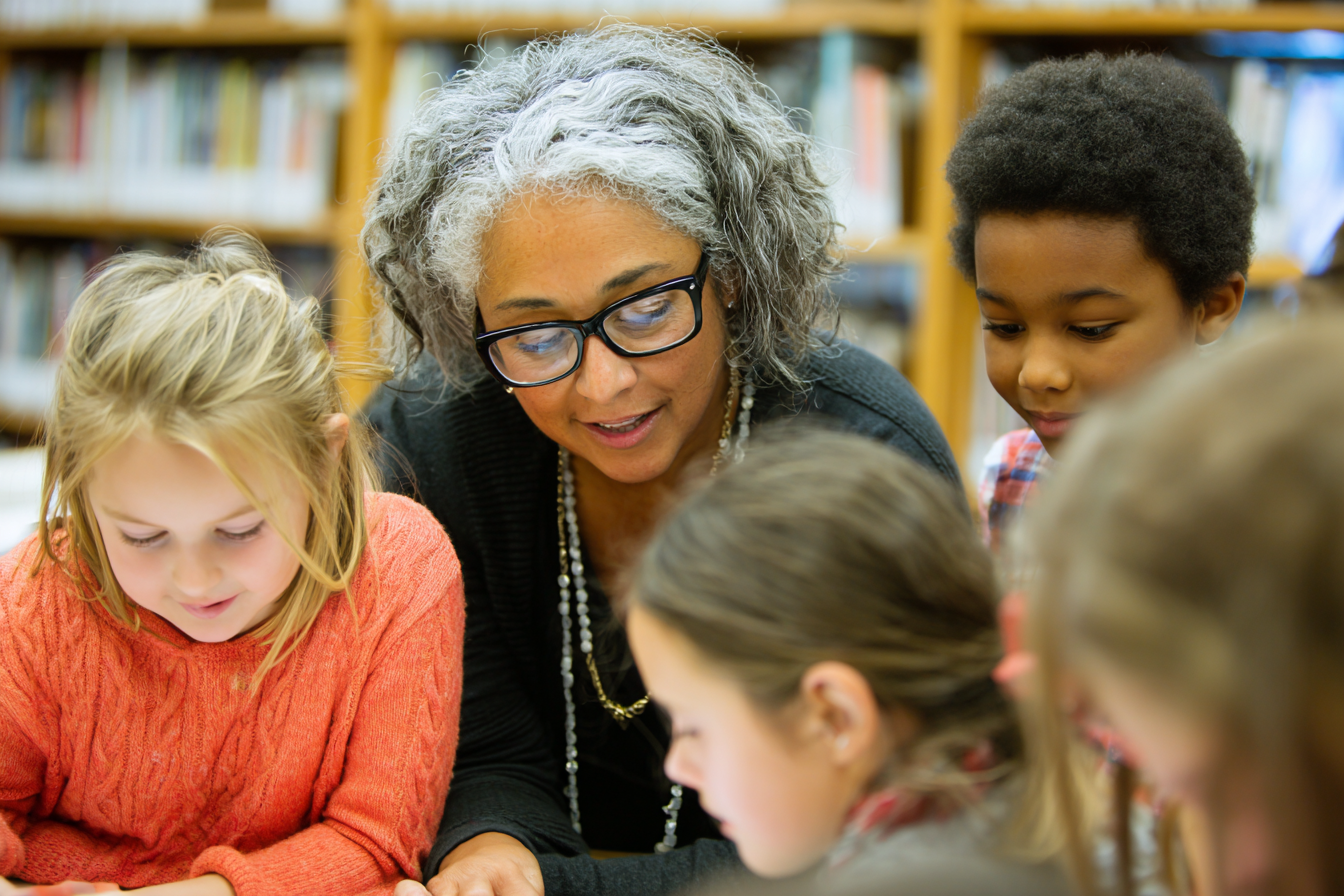
Focus: Help students build the habit of asking good questions before, during, and after reading. Students learn that questions can come from curiosity about characters, setting, facts, pictures, headings, captions, or unfamiliar ideas, and that these questions help readers understand more.
Grade Level: 2
Subject Area: Library (Questioning • Inquiry • Reading Response)
Total Unit Duration: 1–3 weeks, 50–60 minutes per session
I. Introduction
This unit helps Grade 2 students understand that questions are an important part of real learning. Instead of treating questions as quick comments or side thoughts, students begin to see that good questions help readers notice more, wonder more, and understand more. The librarian models curiosity through think-alouds and shows students how questions can happen before reading, during reading, and after reading. Students practice asking about characters, setting, facts, pictures, labels, headings, captions, and unfamiliar ideas, then use those questions to build understanding. This is highly realistic for Grade 2 because students are ready to use questions as a purposeful reading and learning habit.
Essential Questions
- Why do readers ask questions before, during, and after reading?
- How can pictures, headings, labels, captions, and discussion help us understand more?
- How do questions help us notice important details in stories and topics?
- How can a good question lead to stronger observations, predictions, and ideas?
II. Objectives and Standards
Learning Objectives — Students will be able to:
- Ask questions and share wonderings about stories, information, images, and topics introduced in library.
- Use read-alouds, pictures, headings, labels, captions, and discussion to begin finding information or building understanding.
- Share observations, predictions, connections, and beginning conclusions about stories and topics.
- Distinguish between different kinds of questions, such as story questions and topic questions.
- Explain how a question helped them think more carefully about a text or image.
- (Optional Sessions) Strengthen questioning habits through repeated practice with read-alouds, visual clues, question sorting, and short inquiry responses.
Standards Alignment — 2nd Grade (AASL-based Custom)
- L:S1.2a — Ask questions and share wonderings about stories, information, images, and topics introduced in library.
- Example: A student asks, “Why do leaves change color?” after reading a seasonal nonfiction book.
- L:S1.2b — Use read-alouds, pictures, headings, labels, captions, and discussion to begin finding information or building understanding.
- Example: A student uses a caption and photo to explain what an animal eats.
- L:S1.2c — Share observations, predictions, connections, and beginning conclusions about stories and topics.
- Example: A student explains, “I think this animal lives in the desert because the picture shows sand and no trees.”
Success Criteria — Student Language
- I can ask a good question about a story, picture, or topic.
- I can use pictures, headings, labels, captions, and discussion to help answer questions.
- I can share what I notice and what I think.
- I can ask questions before, during, and after reading.
- I can explain how a question helped me understand more.