Unit Plan 20 (Grade 2 Library): Audio, Digital, and Print Learning Tools
Grade 2 library unit on using audio, digital, and print tools to learn, compare formats, and practice safe, respectful, responsible tool use.

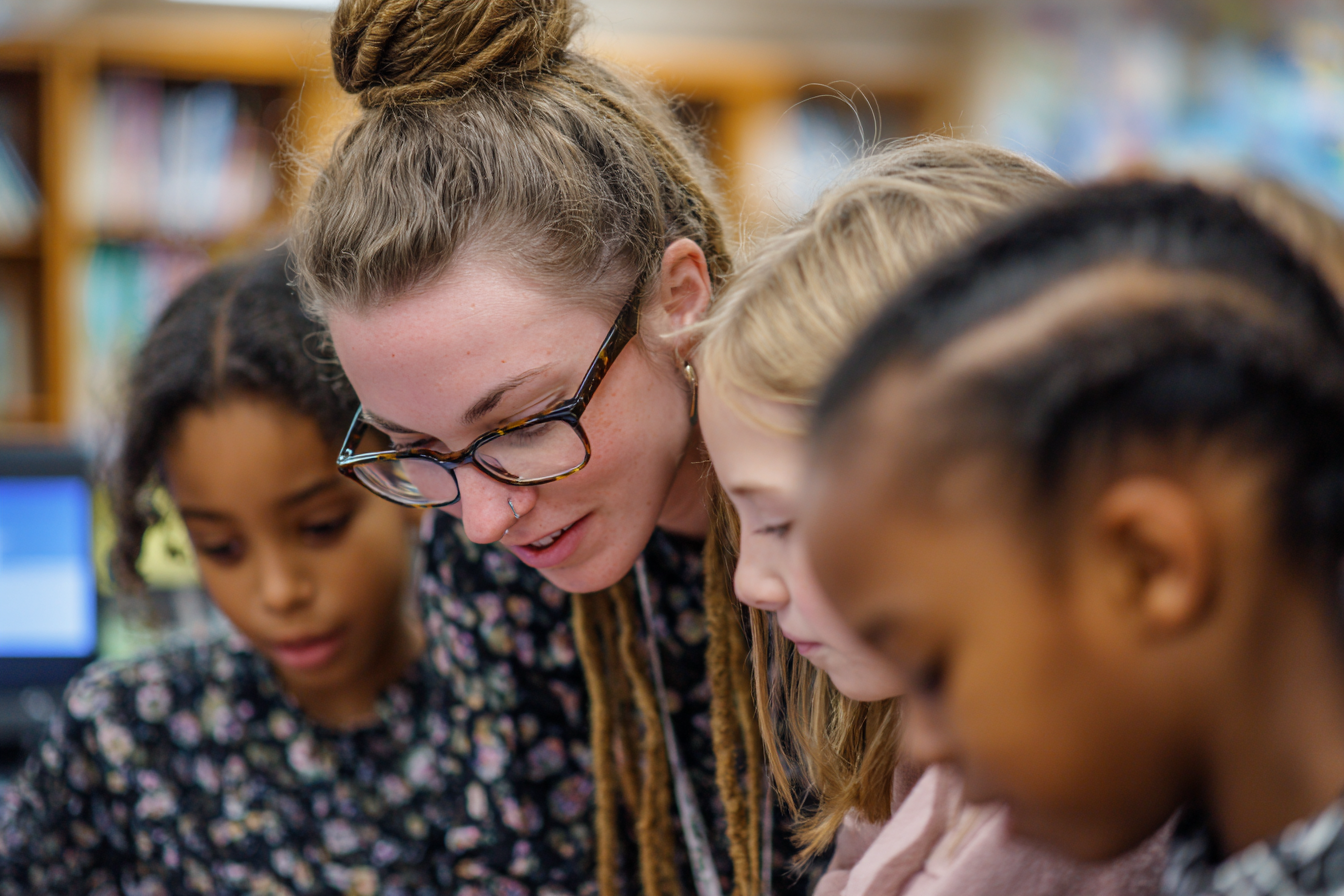
Focus: Help students use audio, digital, and print formats as learning tools in the library. Students explore how listening to a story, viewing a safe digital information source, and reading a print book can each support learning in different ways while also practicing safe, respectful, and responsible use of tools and shared spaces.
Grade Level: 2
Subject Area: Library (Formats/Media • Digital Citizenship • Learning Tools)
Total Unit Duration: 1–3 weeks, 50–60 minutes per session
I. Introduction
This unit helps Grade 2 students understand that readers and learners can use more than one format to explore ideas and gather information. In a modern library, students may listen to an audio story, use a print book, or explore a teacher-approved digital source, and each format can offer something helpful. The librarian teaches students not only how these formats differ, but also how to use headphones, devices, books, and shared spaces safely and respectfully. Students begin to notice that some tools are especially helpful for listening, some are helpful for looking closely at pictures and text features, and some are helpful for interacting with information in new ways. This unit reflects the reality of many elementary library programs, where students are expected to learn with multiple kinds of tools while also building strong responsibility habits.
Essential Questions
- How can audio, digital, and print tools help us learn in different ways?
- What does it mean to use books, devices, and headphones safely and responsibly?
- How can students participate respectfully while using different learning tools?
- Why might one format be more helpful than another for a certain kind of learning?
II. Objectives and Standards
Learning Objectives — Students will be able to:
- Try new books, genres, formats, tools, and media with curiosity and a willingness to learn.
- Use books, technology, materials, and shared spaces safely, responsibly, and respectfully.
- Participate respectfully in reading, listening, discussing, viewing, creating, and sharing in the library.
- Compare how audio, digital, and print formats help learners in different ways.
- Explain which format felt most helpful for a particular task or purpose.
- (Optional Sessions) Strengthen multi-format learning through repeated use of audio, digital, and print tools, along with reflection on responsibility and learning preferences.
Standards Alignment — 2nd Grade (AASL-based Custom)
- L:S5.2b — Try new books, genres, formats, tools, and media with curiosity and a willingness to learn.
- Example: A student tries a poetry book or digital encyclopedia for the first time.
- L:S6.2b — Use books, technology, materials, and shared spaces safely, responsibly, and respectfully.
- Example: A student uses a device carefully, handles headphones correctly, and leaves a center ready for the next group.
- L:S6.2c — Participate respectfully in reading, listening, discussing, viewing, creating, and sharing in the library.
- Example: A student joins discussion, listens to others, and shares work appropriately during class.
Success Criteria — Student Language
- I can use audio, digital, and print tools to help me learn.
- I can try a new format with curiosity.
- I can use books, devices, headphones, and spaces responsibly.
- I can explain how one format helped me.
- I can participate respectfully while learning with different tools.