Unit Plan 3 (Grade 2 Library): Listening Closely and Responding Thoughtfully
Grade 2 library unit on active listening and thoughtful oral response that helps students notice details, make predictions, and share story-connected ideas during read-alouds and discussions.

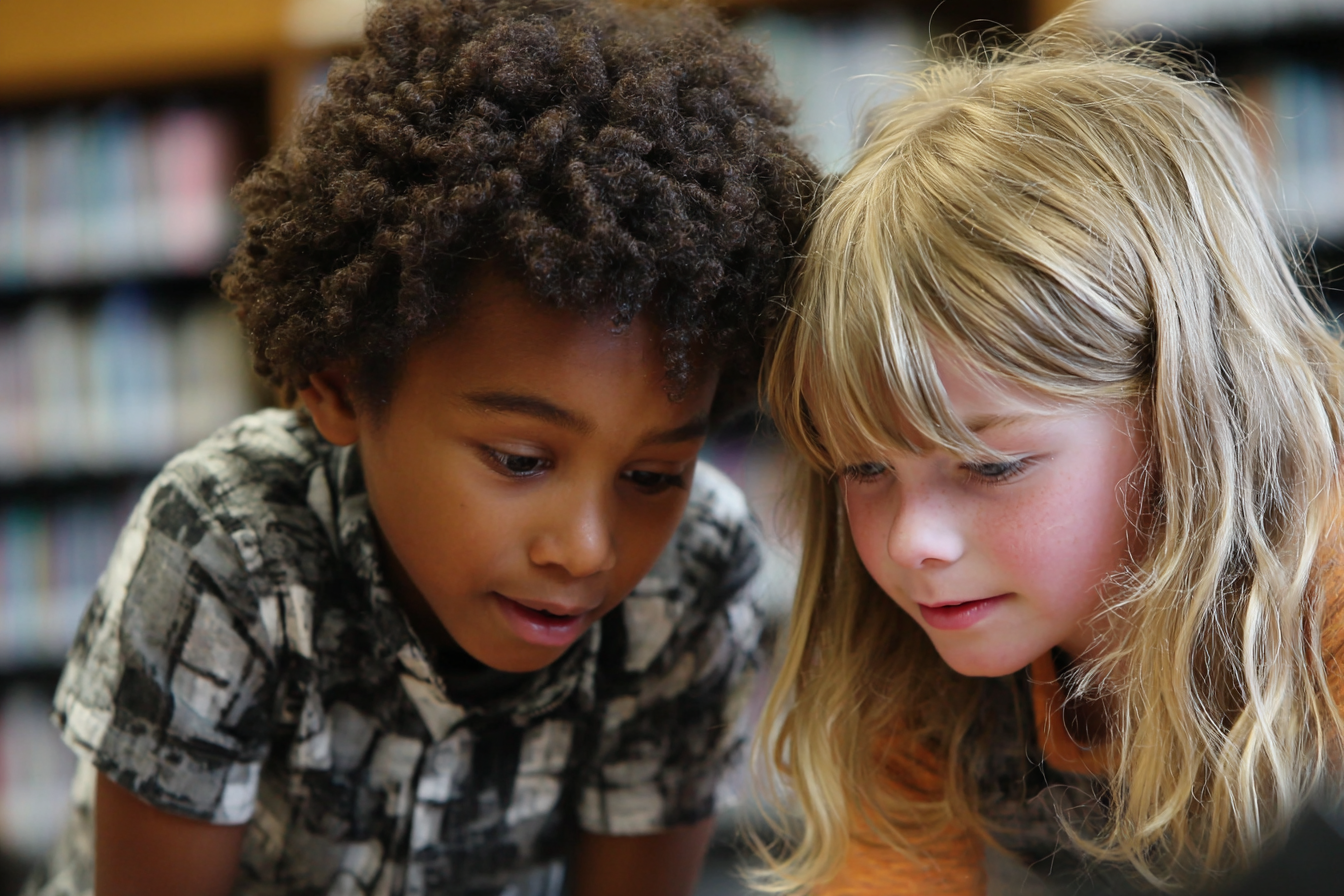
Focus: Help students strengthen active listening and more purposeful oral response during read-alouds and discussions. Students practice noticing important details, making predictions, and sharing ideas that connect clearly to the story or topic.
Grade Level: 2
Subject Area: Library (Listening • Discussion • Reading Response)
Total Unit Duration: 1–3 weeks, 50–60 minutes per session
I. Introduction
This unit helps Grade 2 students become stronger listeners and more thoughtful participants during library read-alouds and discussions. At this age, students are ready to move beyond random comments and begin giving responses that connect to what they heard, saw, or noticed in the text. The librarian models how to listen for important details, make predictions, and explain thinking using prompts such as “What makes you think that?” and “What in the story helped you notice that?” With repeated practice, students learn that good discussion starts with careful listening and grows when they respond in clear, text-connected ways. This is realistic for Grade 2 because students can give more specific oral responses when the structure is supportive and consistent.
Essential Questions
- What does it mean to listen closely during a story or discussion?
- How can I share a response that connects to the story or topic?
- How do details in a story or image help me make predictions and explain my ideas?
- How can my comments help others think and learn too?
II. Objectives and Standards
Learning Objectives — Students will be able to:
- Share observations, predictions, connections, and beginning conclusions about stories and topics.
- Participate in shared conversations and group tasks in ways that help others think, learn, and respond.
- Participate respectfully in reading, listening, discussing, viewing, creating, and sharing in the library.
- Notice important details during a read-aloud or shared text experience.
- Respond to a story or topic in ways that are connected to what was heard, seen, or discussed.
- (Optional Sessions) Strengthen listening and response habits through repeated practice with read-aloud discussion, partner talk, and short reflection tasks.
Standards Alignment — 2nd Grade (AASL-based Custom)
- L:S1.2c — Share observations, predictions, connections, and beginning conclusions about stories and topics.
- Example: A student explains, “I think this animal lives in the desert because the picture shows sand and no trees.”
- L:S3.2c — Participate in shared conversations and group tasks in ways that help others think, learn, and respond.
- Example: A student adds an idea during a group discussion and responds to another student’s comment in a respectful way.
- L:S6.2c — Participate respectfully in reading, listening, discussing, viewing, creating, and sharing in the library.
- Example: A student joins discussion, listens to others, and shares work appropriately during class.
Success Criteria — Student Language
- I can listen closely to a story or topic.
- I can notice important details and use them in my response.
- I can make a prediction or share an idea that connects to the story.
- I can say what made me think something.
- I can participate respectfully and help others think too.