Unit Plan 8 (Grade 2 Library): Retelling and Reconstructing a Story
Grade 2 library unit plan on story retelling, sequencing, and key events through oral, visual, and partner activities that build comprehension.

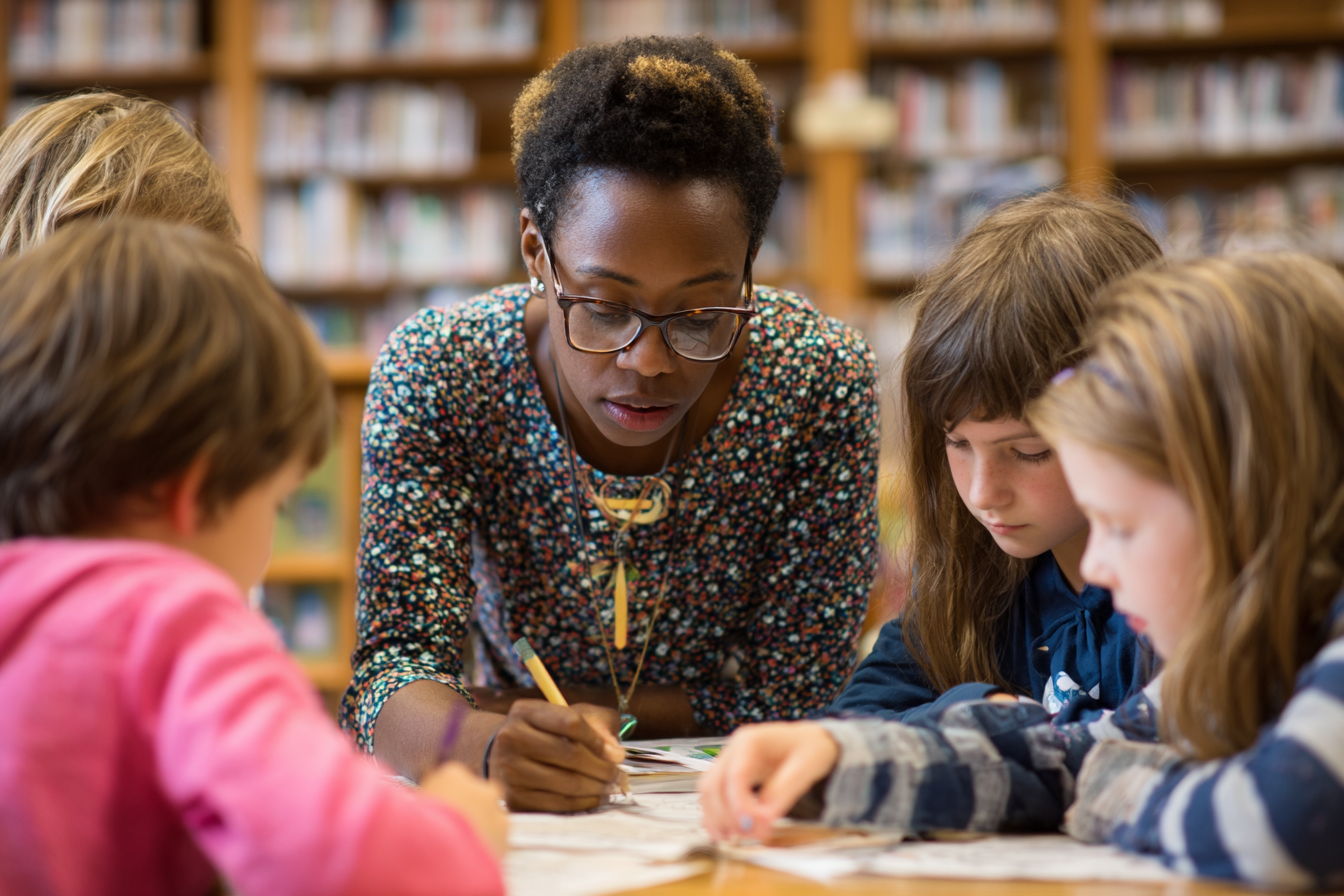
Focus: Help students retell stories in a more complete and organized way by using structures such as beginning-middle-end, key events, and character/action. Students practice putting story events in order and sharing what happened through oral retelling, drawing panels, puppet retelling, or collaborative sequencing.
Grade Level: 2
Subject Area: Library (Story Structure • Retelling • Response/Communication)
Total Unit Duration: 1–3 weeks, 50–60 minutes per session
I. Introduction
This unit helps Grade 2 students move beyond simple retelling and toward retelling that is clearer, fuller, and more organized. At this age, students are increasingly able to remember important events, place them in order, and explain what happened in a story using a simple structure. The librarian can model how beginning-middle-end, key events, and character/action thinking help readers reconstruct a story in ways that make sense to others. Students may respond through oral retelling, drawing panels, puppet retelling, or collaborative sequencing activities. This is realistic for Grade 2 because students are beginning to handle fuller retellings and benefit from clear structures that support their thinking.
Essential Questions
- How can readers retell a story in order?
- What makes a retelling more complete and organized?
- How do beginning-middle-end and key events help us remember what happened?
- How can drawing, speaking, building, or acting help us show story understanding?
II. Objectives and Standards
Learning Objectives — Students will be able to:
- Work with a partner or group during retelling, sorting, comparison, discussion, or simple inquiry tasks.
- Use reading, discussion, drawing, writing, building, or movement to explore and respond to ideas from library lessons.
- Create or share a response, product, or explanation that shows understanding of a story, topic, or question.
- Retell a story using beginning-middle-end, key events, or character/action structure.
- Sequence story events in a way that is clear and easy to follow.
- (Optional Sessions) Strengthen retelling through repeated sequencing, collaborative reconstruction, and creative story response formats.
Standards Alignment — 2nd Grade (AASL-based Custom)
- L:S3.2a — Work with a partner or group during retelling, sorting, comparison, discussion, or simple inquiry tasks.
- Example: Two students work together to compare two books on the same topic.
- L:S5.2a — Use reading, discussion, drawing, writing, building, or movement to explore and respond to ideas from library lessons.
- Example: A student writes and illustrates a short response to a story or topic.
- L:S5.2c — Create or share a response, product, or explanation that shows understanding of a story, topic, or question.
- Example: A student makes a mini poster, retelling map, or oral explanation after exploring a topic.
Success Criteria — Student Language
- I can retell a story in order.
- I can use beginning-middle-end or key events to help me remember what happened.
- I can work with a partner to put story parts in sequence.
- I can show my story understanding through speaking, drawing, acting, or another response.
- I can create a retelling that makes sense to another listener or viewer.