Unit Plan 16 (Grade 2 Library): Retelling and Summarizing Key Events
Grade 2 library unit on retelling and summarizing stories by identifying key events, sequencing main parts, and leaving out less important details.

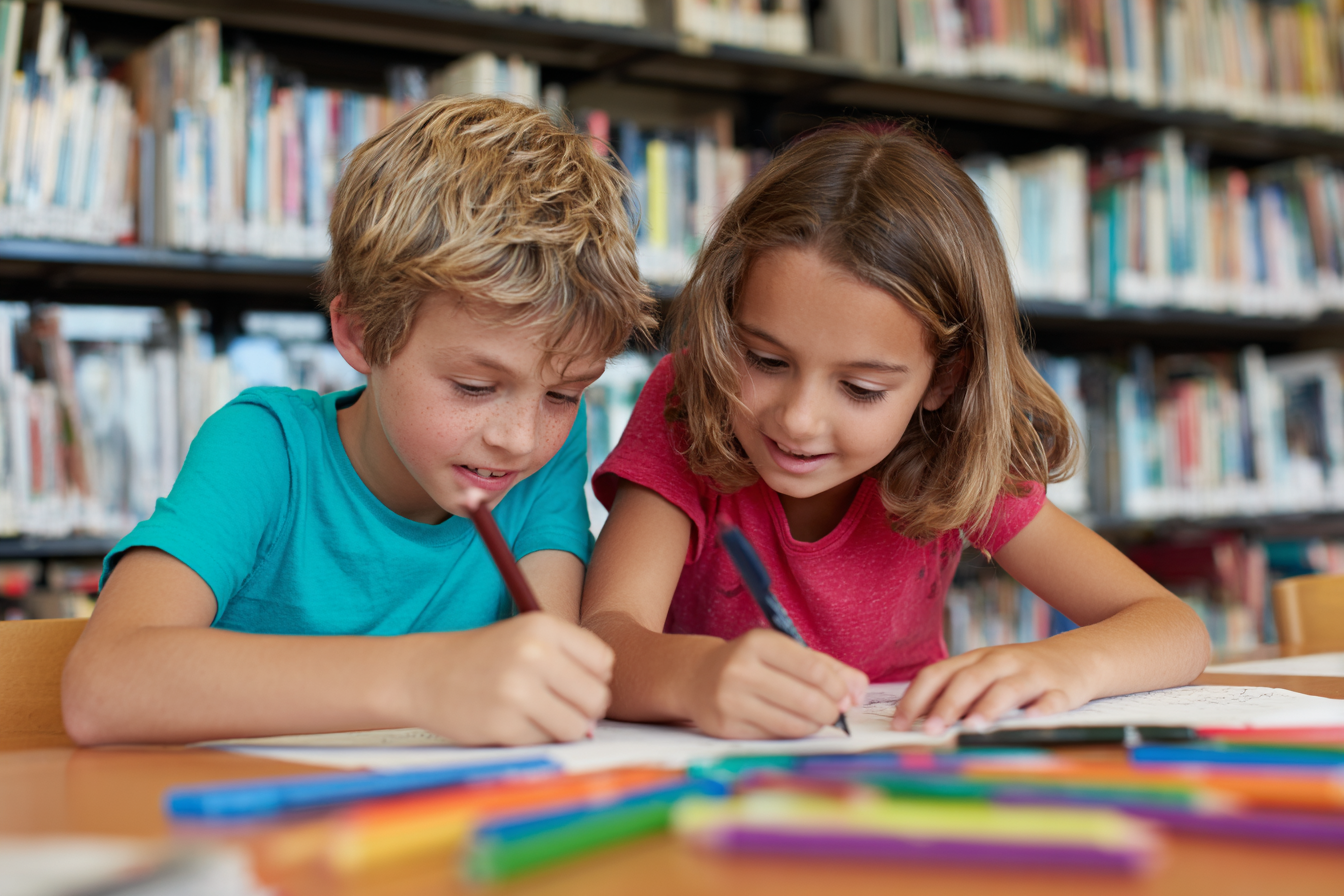
Focus: Help students move from retelling everything they remember to identifying the most important parts of a story. Students practice telling the main events in order, noticing which details matter most, and using simple structures to summarize a story clearly.
Grade Level: 2
Subject Area: Library (Comprehension • Retelling/Summarizing • Discussion/Response)
Total Unit Duration: 1–3 weeks, 50–60 minutes per session
I. Introduction
This unit helps Grade 2 students strengthen an important reading habit: telling a story in a way that is clear, organized, and focused on what matters most. Many young readers can remember many details from a story, but they still need support in deciding which events are most important and how to leave out smaller details that do not help the retelling. The librarian models how to retell a story in order, identify key events, and begin summarizing in simple, age-appropriate ways. Students may use oral retellings, graphic organizers, and short response pages to show their understanding. This is realistic for Grade 2 because students are beginning to understand that readers can summarize as well as retell.
Essential Questions
- How can readers retell a story in order?
- What makes one event more important than another?
- How can a summary be shorter than a retelling but still make sense?
- How can discussion and response help us understand the key events in a story?
II. Objectives and Standards
Learning Objectives — Students will be able to:
- Participate in shared conversations and group tasks in ways that help others think, learn, and respond.
- Create or share a response, product, or explanation that shows understanding of a story, topic, or question.
- Share observations, predictions, connections, and beginning conclusions about stories and topics.
- Retell a story by naming the main events in order.
- Begin to summarize by focusing on the most important parts and leaving out extra details.
- (Optional Sessions) Strengthen retelling and summarizing through repeated discussion, graphic organizers, oral retellings, and short response tasks.
Standards Alignment — 2nd Grade (AASL-based Custom)
- L:S3.2c — Participate in shared conversations and group tasks in ways that help others think, learn, and respond.
- Example: A student adds an idea during a group discussion and responds to another student’s comment in a respectful way.
- L:S5.2c — Create or share a response, product, or explanation that shows understanding of a story, topic, or question.
- Example: A student makes a mini poster, retelling map, or oral explanation after exploring a topic.
- L:S1.2c — Share observations, predictions, connections, and beginning conclusions about stories and topics.
- Example: A student explains, “I think this animal lives in the desert because the picture shows sand and no trees.”
Success Criteria — Student Language
- I can retell a story in the right order.
- I can tell the most important events instead of every small detail.
- I can talk with others about what matters most in a story.
- I can make a short summary that still makes sense.
- I can create a response that shows I understood the story.