Unit Plan 12 (Grade 2 Library): Sorting, Grouping, and Comparing Books
Grade 2 library unit on sorting and comparing books by topic, text type, and features while building partner discussion and organization skills.

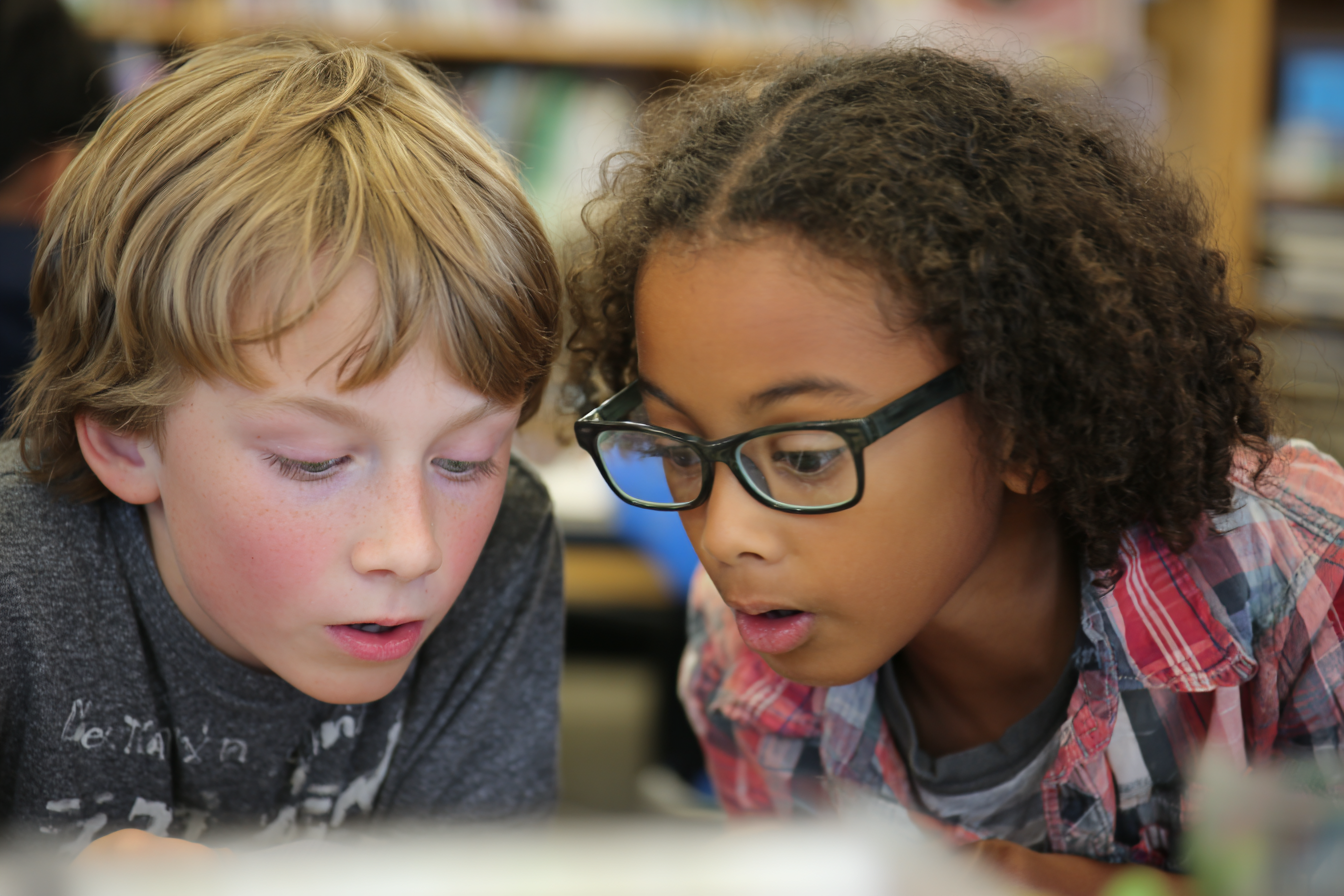
Focus: Help students use sorting, grouping, and comparing to organize books and information in purposeful ways. Students practice working with a partner to sort books by fiction/nonfiction, topic, text type, or features such as captions, labels, and table of contents, then explain why they grouped materials the way they did.
Grade Level: 2
Subject Area: Library (Organization • Comparison • Discussion/Collaboration)
Total Unit Duration: 1–3 weeks, 50–60 minutes per session
I. Introduction
This unit helps Grade 2 students strengthen both organization skills and discussion skills through purposeful sorting and comparing. In library, readers do not just choose books. They also notice how books are alike, how they are different, and how they can be grouped in ways that help learning make sense. The librarian can guide students in sorting books by fiction and nonfiction, by topic, by text type, or by visible features such as captions, labels, or a table of contents. Students then explain their choices, listen to classmates’ thinking, and work with a partner to make categories that are clear and useful. This is realistic for Grade 2 because students are increasingly able to recognize patterns, describe categories, and compare books with greater purpose.
Essential Questions
- How can readers sort and group books in useful ways?
- What can students notice when they compare two books?
- How do partners work together respectfully during sorting and discussion?
- Why is it helpful to explain why books belong in a category?
II. Objectives and Standards
Learning Objectives — Students will be able to:
- Work with a partner or group during retelling, sorting, comparison, discussion, or simple inquiry tasks.
- Take turns, share materials, and contribute ideas responsibly during library activities.
- Sort, group, and organize books or information in simple ways by topic, text type, feature, or purpose.
- Explain why books or materials belong in a category.
- Compare two books by noticing a similarity, difference, or shared feature.
- (Optional Sessions) Strengthen sorting and comparison through repeated partner tasks, visible text-feature study, and clear explanation of categories.
Standards Alignment — 2nd Grade (AASL-based Custom)
- L:S3.2a — Work with a partner or group during retelling, sorting, comparison, discussion, or simple inquiry tasks.
- Example: Two students work together to compare two books on the same topic.
- L:S3.2b — Take turns, share materials, and contribute ideas responsibly during library activities.
- Example: A student shares books, note pages, or response materials fairly while completing a partner task.
- L:S4.2c — Sort, group, and organize books or information in simple ways by topic, text type, feature, or purpose.
- Example: A student groups books into categories such as biographies, animal books, and folktales.
Success Criteria — Student Language
- I can sort books into groups that make sense.
- I can work with a partner and share materials fairly.
- I can compare two books and notice how they are the same or different.
- I can explain why a book belongs in a group.
- I can use features like captions, labels, and table of contents to help me compare books.