Unit Plan 7 (Grade 2 Library): Stories from Different Places and Perspectives
Grade 2 library unit exploring stories and informational texts from different places, communities, and traditions to build perspective, respectful discussion, and thoughtful response.

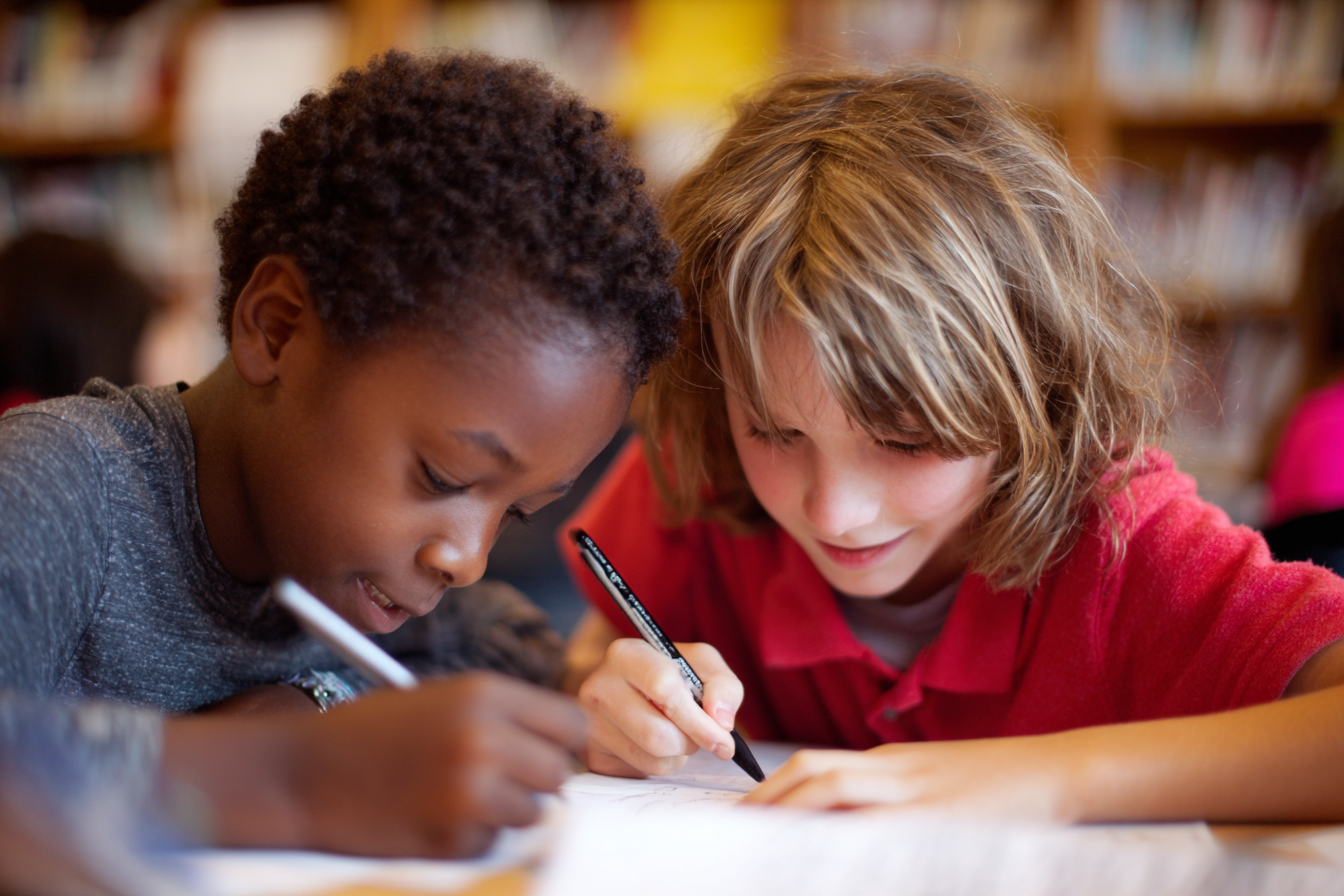
Focus: Help students listen to and respond to stories and informational texts from different places, communities, traditions, and viewpoints. Students notice how people may live, celebrate, think, or solve problems in different ways and reflect on how different stories and perspectives all belong in the library.
Grade Level: 2
Subject Area: Library (Perspective • Community • Reading Response)
Total Unit Duration: 1–3 weeks, 50–60 minutes per session
I. Introduction
This unit helps Grade 2 students explore stories and informational texts that introduce different communities, traditions, and ways of life. The librarian can choose books that feel welcoming and accessible while also helping students notice that people in different places may celebrate differently, solve problems differently, or see the world in different ways. Students practice listening carefully, making comparisons, and sharing simple connections and observations about what they read and hear. This is a realistic elementary library unit because libraries are important places for students to encounter stories and experiences that may be similar to or different from their own. The overall goal is to help students understand that many kinds of books, voices, and viewpoints belong in the library.
Essential Questions
- What can stories and informational texts teach us about different places, communities, and perspectives?
- How might people live, celebrate, think, or solve problems in different ways?
- Why do different books, topics, and viewpoints all belong in the library?
- How can discussion, drawing, writing, or movement help us respond to new ideas?
II. Objectives and Standards
Learning Objectives — Students will be able to:
- Listen to stories and information about different people, cultures, communities, traditions, and experiences.
- Recognize that readers and learners may choose different books, topics, and viewpoints, and that all belong in the library.
- Use reading, discussion, drawing, writing, building, or movement to explore and respond to ideas from library lessons.
- Notice one or more ways a story or text is similar to or different from their own experience.
- Share respectful responses to books that represent different perspectives.
- (Optional Sessions) Strengthen comparison, connection-making, and respectful response through repeated reading, discussion, and simple creative tasks.
Standards Alignment — 2nd Grade (AASL-based Custom)
- L:S2.2a — Listen to stories and information about different people, cultures, communities, traditions, and experiences.
- Example: A student listens to a story from another culture and notices how the setting or celebration is different from their own experience.
- L:S2.2c — Recognize that readers and learners may choose different books, topics, and viewpoints, and that all belong in the library.
- Example: A student understands that one classmate may prefer nonfiction while another prefers fantasy, and both choices are valid.
- L:S5.2a — Use reading, discussion, drawing, writing, building, or movement to explore and respond to ideas from library lessons.
- Example: A student writes and illustrates a short response to a story or topic.
Success Criteria — Student Language
- I can listen to stories and information about people and places that may be different from me.
- I can notice something that is similar to or different from my own experience.
- I can understand that different books and viewpoints belong in the library.
- I can respond to a story or topic through discussion, drawing, writing, building, or movement.
- I can share my ideas respectfully.