Unit Plan 9 (Grade 3 Counselor): Belonging in Our Classroom Community
Grade 3 counseling lesson on belonging, empathy, and respectful communication through scenarios, classroom web, and inclusive action practice.

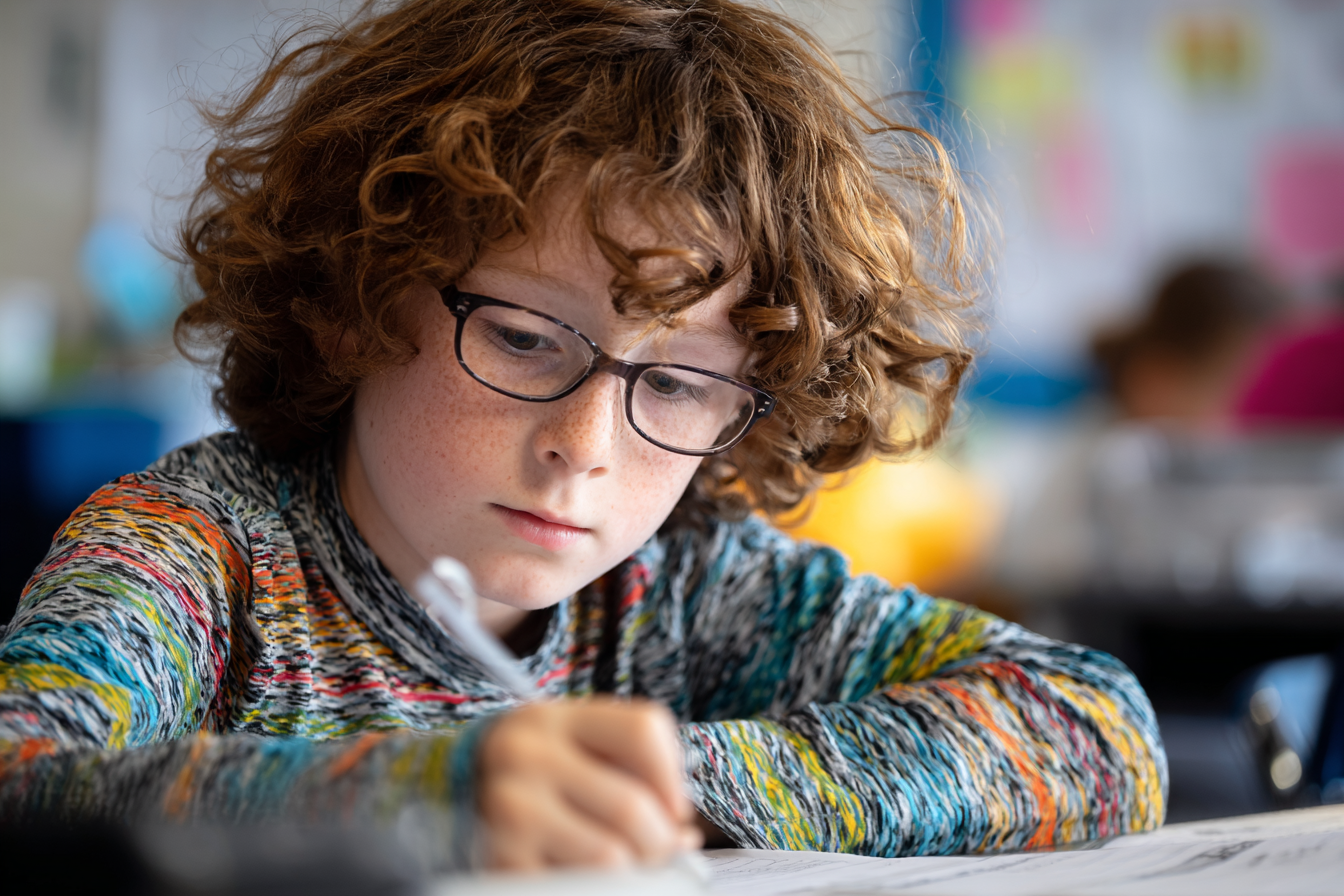
Focus: Reinforce that students’ words, actions, and attitudes affect how others feel in the classroom. The counselor uses a classroom web, community puzzle, or scenario discussion to explore inclusion, respect, and responsibility. Students identify ways to help classmates feel safe and valued during group work, recess, lunch, and classroom activities.
Grade Level: 3
Subject Area: School Counseling (Belonging • Empathy • Respectful Communication)
Total Unit Duration: 1–2 weeks, 30 minutes per session
I. Introduction
This Grade 3 counseling lesson helps students understand that belonging is built through everyday choices. Students learn that their words, actions, and attitudes can help classmates feel safe, included, respected, and valued. The counselor emphasizes that classroom community is not only the teacher’s job; every student contributes to how the classroom feels.
Students explore belonging through a classroom web, community puzzle, or realistic scenario discussion. They consider situations from group work, recess, lunch, classroom discussions, partner activities, and transitions. The goal is for students to notice how others may feel, use respectful communication, and choose actions that strengthen classroom belonging.
Essential Questions
- What does belonging mean in a classroom community?
- How do students’ words, actions, choices, and attitudes affect others?
- How can empathy help classmates feel safe, included, respected, and valued?
- What respectful communication skills help during group work, recess, lunch, and classroom activities?
II. Objectives and Standards
Learning Objectives — Students will be able to:
- Explain how words, actions, choices, and attitudes can support classroom belonging.
- Identify how classmates may feel when they are included, excluded, respected, ignored, helped, or interrupted.
- Choose actions that help classmates feel safe, included, respected, and valued.
- Practice respectful communication skills, including active listening, kind words, and connected responses.
- Apply empathy and belonging skills to realistic Grade 3 situations from group work, recess, lunch, and classroom activities.
- (Optional Session) Create a classroom belonging pledge, community puzzle piece, or belonging action plan.
Standards Alignment — Grade 3 (ASCA-based Custom)
- C:S1.3c — Contribute Positively to Classroom and School Belonging
- Recognize how words, actions, choices, and attitudes can help classmates feel safe, included, respected, and valued.
- Example: A student invites a classmate into a group project and makes sure everyone has a role.
- C:S3.3a — Show Empathy and Respect for Others
- Recognize how others may feel and respond with kindness, respect, and care.
- Example: A student notices a classmate looks left out and says, “Do you want to join our game?”
- C:S3.3c — Communicate Respectfully with Peers and Adults
- Use respectful words, active listening, and connected responses during conversations, disagreements, and group work.
- Example: A student says, “I disagree, but I understand your idea. I think we should try this plan instead.”
Success Criteria — Student Language
- I can explain what belonging means.
- I can notice how my words and actions affect others.
- I can choose actions that help classmates feel included and respected.
- I can use respectful words and active listening.
- I can help our classroom community feel safe, welcoming, and kind.