Unit Plan 32 (Grade 3 Counselor): Friendship and Empathy Review
Review Grade 3 friendship skills with empathy, inclusion, cooperation, respectful communication, and repair scenarios for peer success.

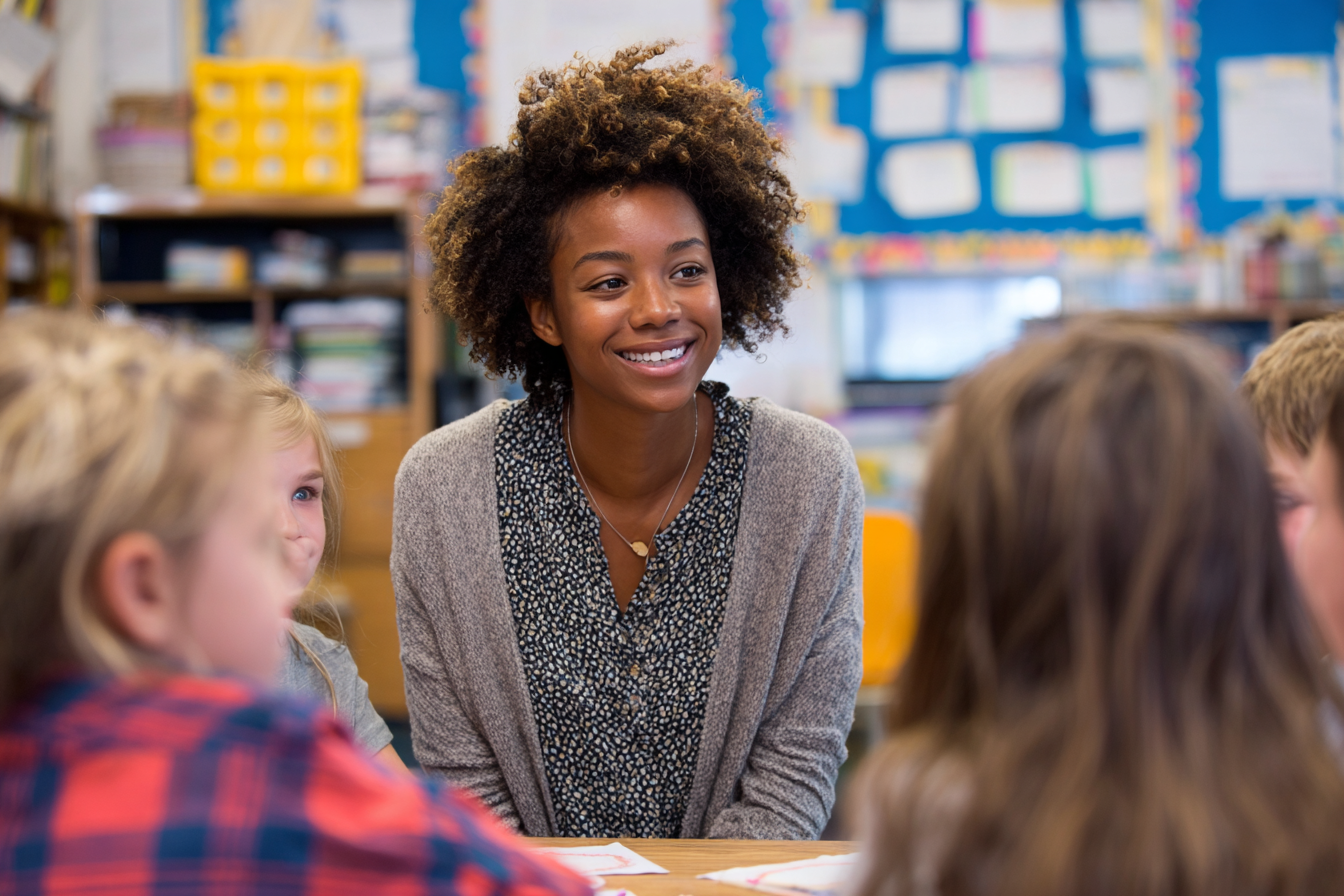
Focus: Review empathy, inclusion, cooperation, respectful communication, listening, and friendship repair. The counselor uses realistic peer scenarios and asks students to identify the feeling, the problem, and the best friendship skill to use. Students reflect on one social skill they have improved and one they want to keep practicing.
Grade Level: 3
Subject Area: School Counseling (Friendship Skills • Empathy • Respectful Communication Review)
Total Unit Duration: 1–2 weeks, 30 minutes per session
I. Introduction
This Grade 3 counseling lesson reviews the friendship and empathy skills students have practiced throughout the year. Students revisit how to notice another person’s feelings, include others, cooperate in groups, listen actively, use respectful words, and repair harm after mistakes. The counselor emphasizes that friendship skills are not only for best friends; they help students work, play, communicate, and solve problems respectfully with many classmates.
Students work through realistic peer scenarios involving recess, lunch, partner work, group projects, disagreements, exclusion, interruptions, hurt feelings, and friendship repair. For each situation, they identify the feeling, the problem, and the friendship skill that would help most. The goal is for students to recognize the social tools they already know and choose one skill they want to keep practicing.
Essential Questions
- How can students show empathy during friendship or peer problems?
- What friendship skills help classmates feel included, respected, and valued?
- How do cooperation, listening, and respectful communication help groups succeed?
- How can students repair harm when a friendship mistake happens?
- What social skill have students improved, and what skill should they keep practicing?
II. Objectives and Standards
Learning Objectives — Students will be able to:
- Identify how a classmate may feel in realistic peer, friendship, recess, lunch, or group-work situations.
- Choose empathetic and respectful responses that show kindness, care, and understanding.
- Review cooperation skills, including sharing materials, taking turns, listening to ideas, accepting roles, and helping the group succeed.
- Use respectful communication skills, including active listening, connected responses, assertive words, and respectful disagreement.
- Match friendship problems to helpful skills such as inclusion, listening, cooperation, apology, repair, compromise, or asking for help.
- Reflect on one friendship or social skill they have improved and one they want to keep practicing.
- (Optional Session) Apply friendship and empathy review skills through scenario sorting, role-play, partner practice, or a friendship skill reflection.
Standards Alignment — Grade 3 (ASCA-based Custom)
- C:S3.3a — Show Empathy and Respect for Others
- Recognize how others may feel and respond with kindness, respect, and care.
- Example: A student notices a classmate looks left out and says, “Do you want to join our game?”
- C:S3.3b — Cooperate and Contribute in Groups
- Work cooperatively by sharing materials, taking turns, listening to ideas, accepting roles, and helping the group succeed.
- Example: A student agrees to be the recorder while another student reads the directions during a group activity.
- C:S3.3c — Communicate Respectfully with Peers and Adults
- Use respectful words, active listening, and connected responses during conversations, disagreements, and group work.
- Example: A student says, “I disagree, but I understand your idea. I think we should try this plan instead.”
Success Criteria — Student Language
- I can notice how someone else may feel.
- I can choose a kind and respectful friendship response.
- I can cooperate by sharing, taking turns, listening, and accepting a role.
- I can use respectful words during conversations, disagreements, and group work.
- I can name one friendship skill I have improved and one I want to keep practicing.