Unit Plan 28 (Grade 3 Library): Books and Topics That Make Us Think
Explore big ideas in this Grade 3 library unit as students reflect on stories and informational texts through discussion, writing, and supported reading responses.

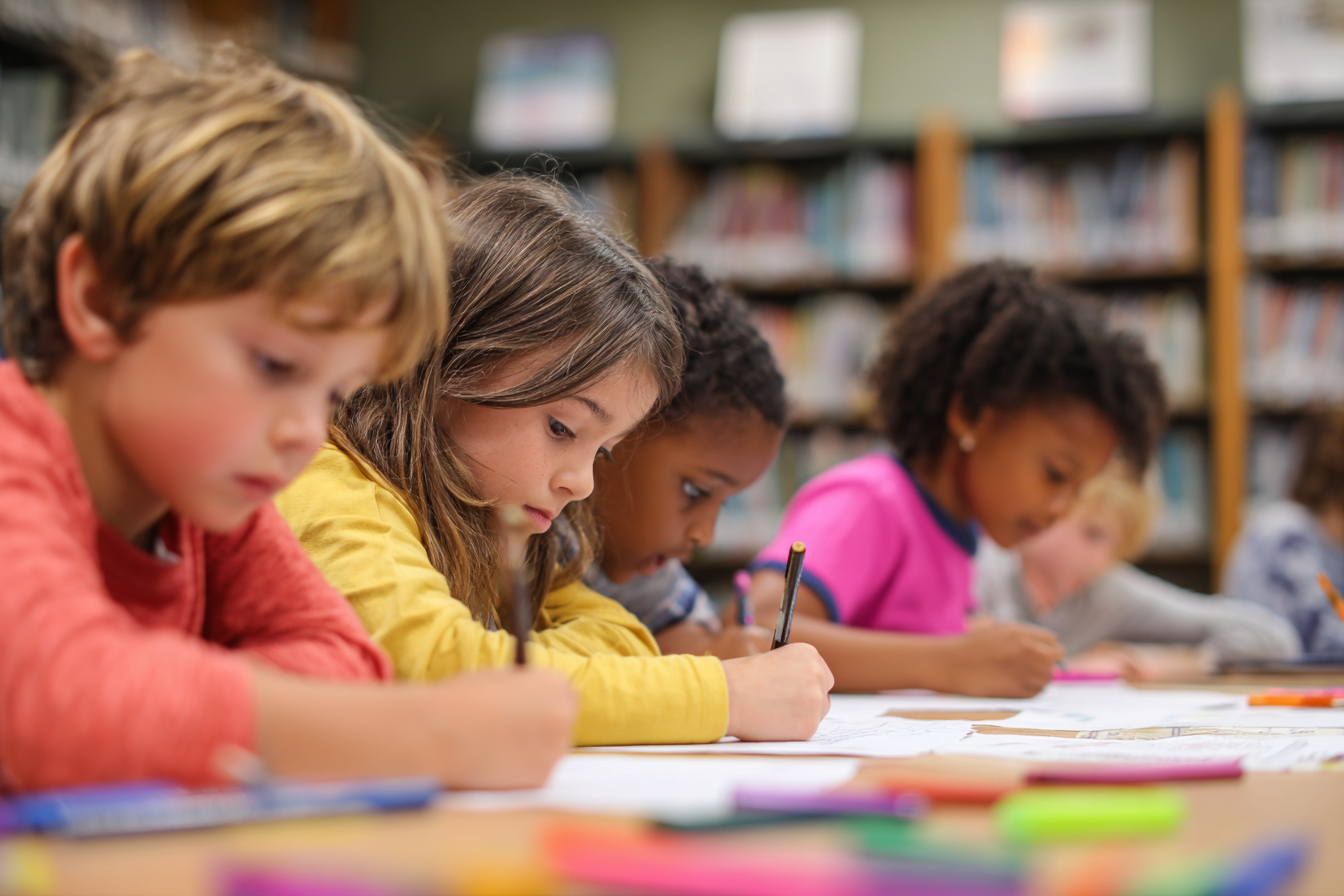
Focus: Help students reflect on how books and informational topics can raise ideas, themes, and important questions. Students practice noticing what a text makes them think about, discussing ideas such as fairness, choices, community, or learning, and responding through writing, drawing, discussion, or another meaningful format.
Grade Level: 3
Subject Area: Library (Reflection • Discussion • Reading Response)
Total Unit Duration: 1–3 weeks, 50–60 minutes per session
I. Introduction
This unit helps Grade 3 students move toward more thoughtful reflection about what they read and learn in library. Instead of only retelling what happened or naming a favorite part, students begin thinking about the bigger ideas a story or topic might raise. The librarian can choose texts that invite discussion about fairness, choices, community, responsibility, kindness, or learning and then guide students in noticing what the text made them think about. Because Grade 3 students are increasingly ready for reflective thinking when it is supported with discussion and clear response structures, this unit helps them connect reading to deeper understanding.
Essential Questions
- How can books and topics make us think about bigger ideas?
- What can a story or informational text help us notice about fairness, choices, community, or learning?
- How can details from a text or image help us explain our thinking?
- How can discussion and response help us explore important ideas more deeply?
II. Objectives and Standards
Learning Objectives — Students will be able to:
- Use books, images, headings, captions, labels, tables of contents, and discussion to gather information and build understanding.
- Share observations, predictions, connections, and beginning conclusions about stories and topics using details from texts or images.
- Reflect on the bigger ideas or questions a text raises.
- Explain what a story or topic made them think about using details from the text or image.
- Use reading, discussion, writing, drawing, building, technology, or presentation to explore and respond to ideas from library lessons.
- (Optional Sessions) Strengthen reflective thinking through repeated practice with discussion, text-based response, and exploration of themes or big ideas.
Standards Alignment — 3rd Grade (AASL-based Custom)
- L:S1.3b — Use books, images, headings, captions, labels, tables of contents, and discussion to gather information and build understanding.
- Example: A student uses captions and a table of contents to locate information about frogs in a nonfiction book.
- L:S1.3c — Share observations, predictions, connections, and beginning conclusions about stories and topics using details from texts or images.
- Example: A student explains, “I think this character will solve the problem by asking for help because the picture shows she looks worried and alone.”
- L:S5.3a — Use reading, discussion, writing, drawing, building, technology, or presentation to explore and respond to ideas from library lessons.
- Example: A student writes a short response or creates a visual project about a story or informational topic.
Success Criteria — Student Language
- I can notice what a book or topic makes me think about.
- I can use details from a text or image to explain my ideas.
- I can talk about bigger ideas like fairness, choices, community, or learning.
- I can respond to a text in writing, drawing, discussion, or another clear format.
- I can show that reading can help me think beyond just what happened.