Unit Plan 32 (Grade 3 Library): Looking Back at Our Learning
Reflect on Grade 3 library growth as students revisit reading, inquiry, routines, and research skills while building confidence and independence.

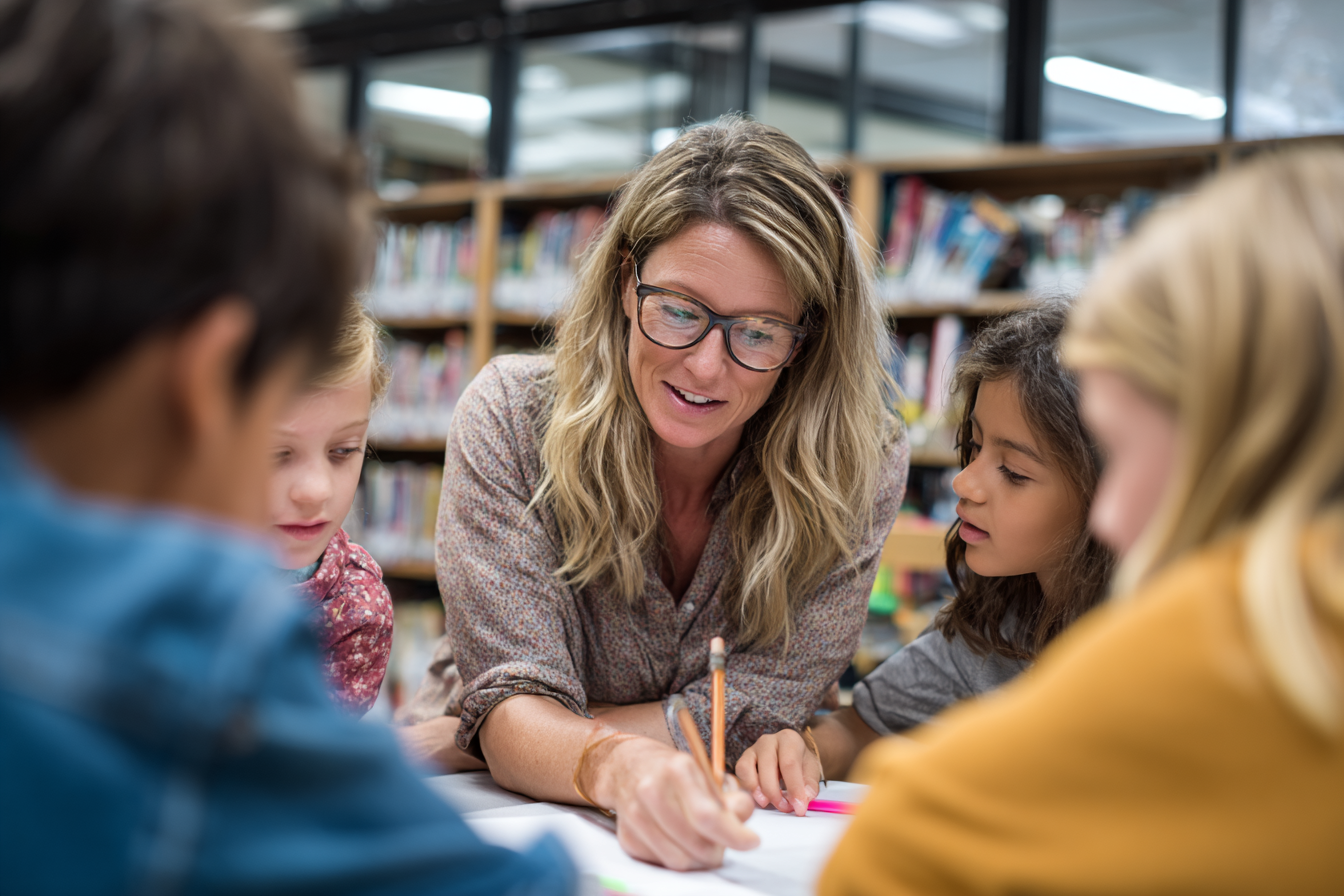
Focus: Help students reflect on how much they have grown as readers, thinkers, researchers, and library users. Students revisit earlier routines, books, inquiry experiences, and library habits and recognize skills they now use with more independence and confidence.
Grade Level: 3
Subject Area: Library (Reflection • Growth • Library Learning)
Total Unit Duration: 1–3 weeks, 50–60 minutes per session
I. Introduction
This review unit helps Grade 3 students pause and look back at their year of library learning. Over time, students have practiced discussing texts, asking questions, gathering information, organizing ideas, choosing books with more purpose, and using library tools with greater independence. The librarian helps students revisit familiar routines, books, and inquiry experiences so they can notice how their skills have changed. Because Grade 3 students are increasingly able to reflect with more depth, this unit gives them a chance to name what they can do now, what feels easier than it used to, and how they have grown as members of the library community.
Essential Questions
- How have I grown as a reader, thinker, researcher, and library user?
- What library skills can I now do with more confidence or independence?
- How can I use examples from books, topics, or library experiences to explain my growth?
- Why is it important to reflect on what I have learned?
II. Objectives and Standards
Learning Objectives — Students will be able to:
- Share observations, predictions, connections, and beginning conclusions about stories and topics using details from texts or images.
- Sort, group, and organize books, resources, or information by topic, genre, text type, feature, or purpose.
- Participate respectfully in reading, listening, discussing, viewing, creating, and sharing in the library.
- Reflect on how they have grown in reading, inquiry, discussion, organization, and library routines.
- Use examples from past library work to explain what they can now do more independently.
- (Optional Sessions) Deepen reflection through discussion, learning inventories, organized review tasks, and a final “what I can do now” response.
Standards Alignment — 3rd Grade (AASL-based Custom)
- L:S1.3c — Share observations, predictions, connections, and beginning conclusions about stories and topics using details from texts or images.
- Example: A student explains, “I think this character will solve the problem by asking for help because the picture shows she looks worried and alone.”
- L:S4.3c — Sort, group, and organize books, resources, or information by topic, genre, text type, feature, or purpose.
- Example: A student organizes resources into categories such as fiction, biography, science, and history.
- L:S6.3c — Participate respectfully in reading, listening, discussing, viewing, creating, and sharing in the library.
- Example: A student listens to others during discussion, contributes appropriately, and shares work in a respectful way.
Success Criteria — Student Language
- I can explain how I have grown in library.
- I can use examples from books, topics, or library work to support my ideas.
- I can organize my thinking about my learning in a clear way.
- I can reflect on what I can do now that felt harder earlier in the year.
- I can participate respectfully while sharing and listening to others’ reflections.