Unit Plan 22 (Grade 3 Library): Creating a Response to Show Learning
Grade 3 library unit where students create posters, one-page reports, book ads, comic retellings, or mini slides that clearly show story or topic understanding.

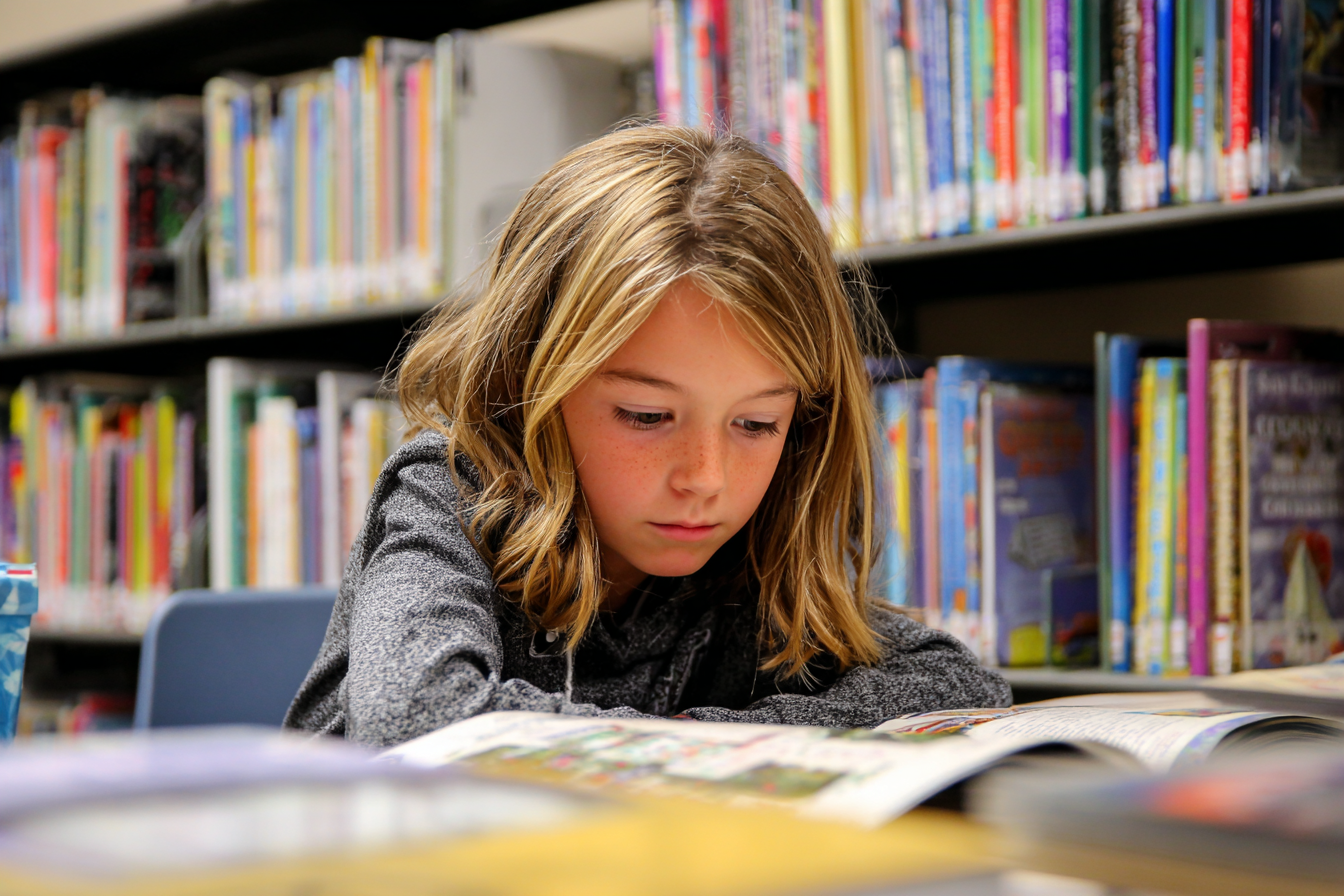
Focus: Help students create a short but purposeful product that shows understanding of a story or informational topic. Students choose a response format such as a poster, one-page report, book ad, comic retelling, or mini slide and learn that strong responses include meaningful ideas, clear details, and evidence of understanding rather than decoration alone.
Grade Level: 3
Subject Area: Library (Response/Communication • Comprehension • Creative Expression)
Total Unit Duration: 1–3 weeks, 50–60 minutes per session
I. Introduction
This unit helps Grade 3 students turn their reading and learning into a clear response that others can understand. In library, students often discuss stories, explore informational texts, and gather ideas, but they also need chances to show what they understood in a visible, organized way. The librarian models how a response product should communicate meaningful information about a story or topic instead of only looking colorful or decorative. Students then create short projects such as a poster, one-page report, book ad, comic retelling, or mini slide that show observations, important details, and thoughtful understanding. This work is highly realistic for Grade 3 because students are increasingly ready to communicate learning through short but purposeful projects.
Essential Questions
- How can I create a response that clearly shows what I learned?
- What makes a project meaningful instead of only decorative?
- How can details from a text or image help me explain my ideas?
- How can different response formats help me communicate understanding in different ways?
II. Objectives and Standards
Learning Objectives — Students will be able to:
- Use reading, discussion, writing, drawing, building, technology, or presentation to explore and respond to ideas from library lessons.
- Create or share a product, response, or explanation that clearly shows understanding of a story, topic, or question.
- Share observations, predictions, connections, and beginning conclusions about stories and topics using details from texts or images.
- Choose a response format that fits the text, topic, or purpose.
- Include meaningful information and supporting details in a short response product.
- (Optional Sessions) Strengthen communication by revising, improving, and sharing a response product with greater clarity and purpose.
Standards Alignment — 3rd Grade (AASL-based Custom)
- L:S5.3a — Use reading, discussion, writing, drawing, building, technology, or presentation to explore and respond to ideas from library lessons.
- Example: A student writes a short response or creates a visual project about a story or informational topic.
- L:S5.3c — Create or share a product, response, or explanation that clearly shows understanding of a story, topic, or question.
- Example: A student creates a simple poster, slide, retelling map, or oral explanation to show what they learned.
- L:S1.3c — Share observations, predictions, connections, and beginning conclusions about stories and topics using details from texts or images.
- Example: A student explains, “I think this character will solve the problem by asking for help because the picture shows she looks worried and alone.”
Success Criteria — Student Language
- I can choose a response format that helps me show my learning.
- I can include important information instead of only decoration.
- I can use details from a story, topic, or image to explain my ideas.
- I can create a product that clearly shows what I understood.
- I can share my work in a way that helps others understand my thinking.