Unit Plan 25 (Grade 3 Library): Discussion Skills That Deepen Learning
Strengthen Grade 3 library discussion with a unit on building on ideas, asking follow-up questions, and participating in respectful, connected conversations.

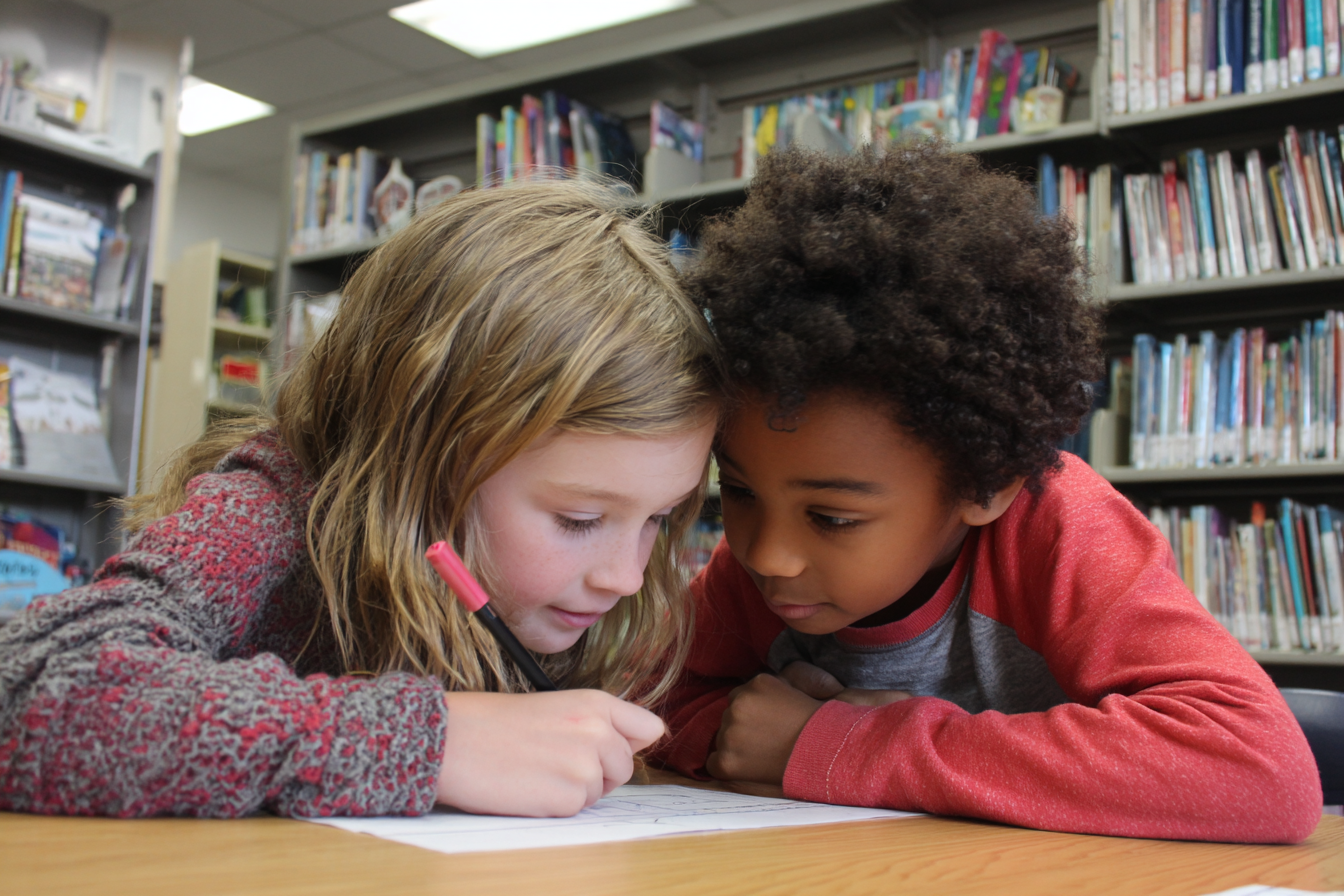
Focus: Help students strengthen discussion skills by learning how to build on others’ ideas, ask follow-up questions, and explain their thinking more clearly. Students use shared texts, sentence stems, and structured conversation routines to participate in more connected, respectful discussions that deepen understanding.
Grade Level: 3
Subject Area: Library (Discussion • Listening/Speaking • Comprehension)
Total Unit Duration: 1–3 weeks, 50–60 minutes per session
I. Introduction
This unit helps Grade 3 students move from simple turn-taking in conversation toward stronger discussion that supports real learning. In library, students are often asked to share ideas about stories, images, and topics, but they benefit from explicit modeling of how to respond to others, ask follow-up questions, and explain their own thinking with more clarity. The librarian uses sentence stems, shared texts, and guided conversation routines to show students that discussion is not just about saying one idea and stopping. Strong discussion helps a group think together, notice more, and understand a text or topic more deeply. This is highly realistic for Grade 3 because students are ready for stronger discussion norms when those habits are carefully modeled and practiced.
Essential Questions
- How can discussion help us learn more deeply about a story, topic, or idea?
- What does it mean to build on someone else’s idea?
- How can follow-up questions make a conversation stronger?
- What does respectful participation sound like during library discussion?
II. Objectives and Standards
Learning Objectives — Students will be able to:
- Participate in shared conversations and projects in ways that support group thinking, respectful discussion, and class learning.
- Listen respectfully and respond thoughtfully when others share ideas, opinions, questions, or interpretations.
- Participate respectfully in reading, listening, discussing, viewing, creating, and sharing in the library.
- Use sentence stems to build on another person’s idea, ask a follow-up question, or explain their thinking more clearly.
- Explain how stronger discussion helps readers and learners understand more.
- (Optional Sessions) Strengthen connected conversation through repeated practice with discussion stems, shared texts, partner talk, and reflective sharing.
Standards Alignment — 3rd Grade (AASL-based Custom)
- L:S3.3c — Participate in shared conversations and projects in ways that support group thinking, respectful discussion, and class learning.
- Example: A student contributes to a small-group discussion by asking a follow-up question and building on a partner’s idea.
- L:S2.3b — Listen respectfully and respond thoughtfully when others share ideas, opinions, questions, or interpretations.
- Example: A student responds to a classmate by saying, “I heard you say the character was brave, and I agree because…”
- L:S6.3c — Participate respectfully in reading, listening, discussing, viewing, creating, and sharing in the library.
- Example: A student listens to others during discussion, contributes appropriately, and shares work in a respectful way.
Success Criteria — Student Language
- I can listen carefully when someone else shares an idea.
- I can build on another person’s thinking instead of only saying my own idea.
- I can ask a follow-up question that helps the group think more.
- I can explain my thinking more clearly during discussion.
- I can participate respectfully in library conversations.